















fat tuesday ushers in extravaganza as New Orleans closes Carnival season

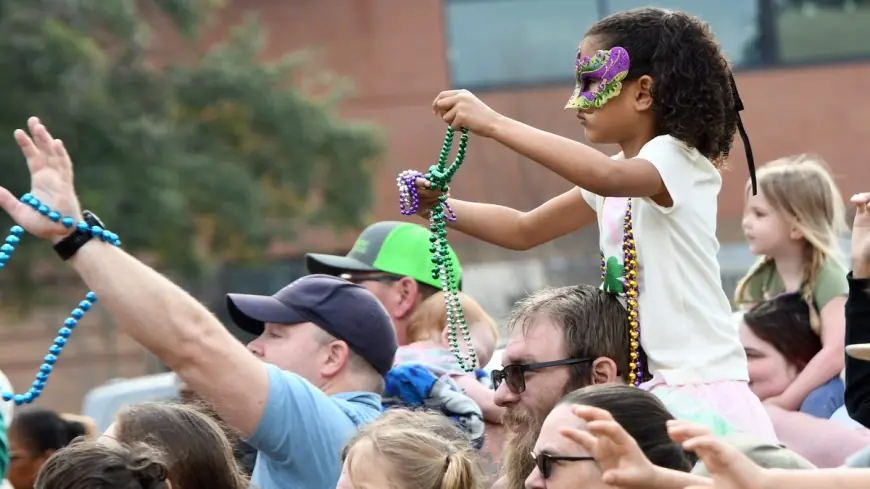
NEW ORLEANS — Tens of thousands of revelers lined historic parade routes on Tuesday, Feb. 17, 2026 (ET), to mark Fat Tuesday, the exuberant finale of Carnival before the start of Lent. Wrought-iron balconies overflowed with costume-clad onlookers shouting the familiar plea "Throw me something, Mister" as marching bands, massive floats and bead-laden throws rolled through the city.
Street-level pageantry: beads, coconuts and costume craft
The city awoke early as paradegoers staked out spots along St. Charles Avenue, the French Quarter and other iconic routes. Many arrived with folding chairs, coolers and ladders to secure a higher vantage point. Purple, green and gold dominated the color palette — the traditional hues of Mardi Gras — while sequins, feathered headdresses and handmade outfits added to the carnival tableau.
Each krewe brought its own identity and signature throws. Plastic beads and doubloons flew into the crowd, along with stuffed animals, cups and novelty trinkets. One of the most prized items remained the hand-decorated coconut tossed by a long-standing parade that carries deep cultural history within the city. Onlookers who caught those coconuts often waved them triumphantly, glittering husks flashing in the winter sun.
Music echoed through the streets as bands marched and dancers moved between floats. For many locals and visitors, the day is both a spectacle and a social ritual — an opportunity for elaborate costume displays, impromptu dancing and communal celebration before the quiet of the Lenten season begins.
Tradition beyond the parade: regional customs and notable moments
Mardi Gras festivities extended beyond urban parades. In rural parts of the state, the Cajun tradition known as the Courir de Mardi Gras unfolded with costumed riders and foot participants traveling door to door to collect ingredients, often chasing live chickens for a communal gumbo later in the day. Similar processions and parties took place across the Gulf Coast and in other parts of the country where Carnival traditions have taken root.
Public scenes of joy were punctuated by a few high-profile incidents that drew attention amid the revelry. One notable arrest during the festivities involved a well-known actor, an event that briefly shifted focus from costume contests and throws to law enforcement activity. Officials emphasized that most celebrations proceeded peacefully, with public-safety teams deployed to manage crowds and protect participants.
Local longtime celebrants described the day as an essential break from routine. One woman in an Egyptian-inspired costume compared Fat Tuesday to a universal day off: an allotted moment for indulgence and exuberance before reflection and restraint begin with Ash Wednesday. Many who had moved away said the city's atmosphere drew them back year after year.
Looking ahead: Carnival's cultural footprint
Fat Tuesday continues to be both a powerful cultural touchstone and an economic engine for the region. The pageantry and traditions — from masked social clubs to family gatherings and community-run events — sustain a seasonal rhythm that culminates each year on the Tuesday before Ash Wednesday. While cities around the world observe their own versions of Carnival, the rituals in this region remain distinct: a blending of music, food, faith and festivity that keeps visitors returning and residents participating across generations.
As the final floats moved away and the crowds began to disperse that evening, many attendees carried home souvenirs, sugar and stories — reminders that Carnival, for now, has run its course until the next season when the good times roll once more.