
























Hands-on: pixel 10a locks down the midrange phone game

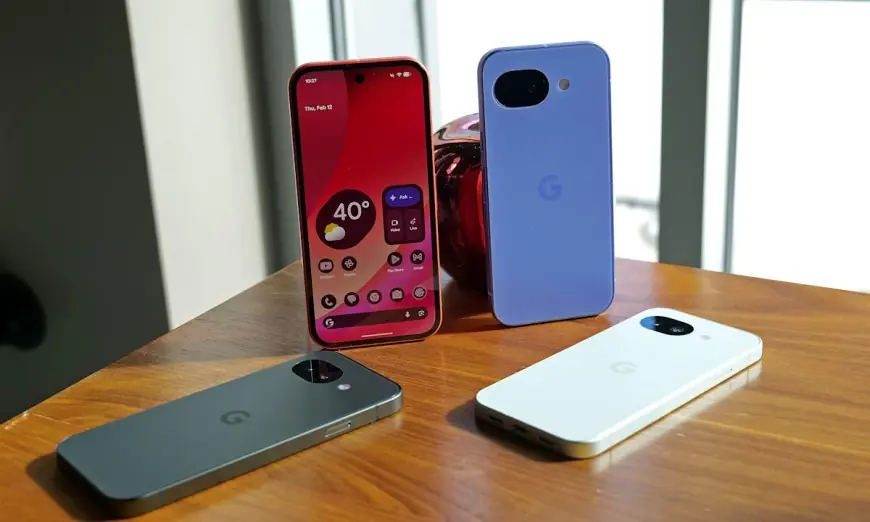
Google's latest A-series contender aims to keep the affordable Pixel crown. The pixel 10a blends flagship camera smarts, a brighter OLED screen and improved charging into a clean, minimal design — all while holding the line at a $499 starting price.
Specs and real-world performance
The pixel 10a arrives with a 6. 3-inch OLED display that supports a 120Hz refresh rate and peaks around 3, 000 nits, which should make it comfortably visible in bright outdoor conditions. It pairs 8GB of RAM with either 128GB or 256GB of storage and retains a robust 5, 100mAh battery. Charging speeds get an uplift: wired charging jumps to 30W (up from 23W) and wireless to 10W (up from 5W), so top-ups will feel noticeably quicker than on prior A-series models.
One major cost-saving move is the use of the Tensor G4 chip rather than the newer Tensor G5 found in the premium Pixel line. That means peak AI-driven performance won’t match the flagship phones, and power users or mobile gamers may notice the limits. For everyday tasks, messaging, social apps and photography workflows, the handset handles things smoothly; Google’s recent homegrown silicon has generally been competent for typical daily use.
Camera and software features that matter
The pixel 10a keeps the same imaging hardware from last year: a 48MP main sensor, a 13MP ultrawide and a 13MP front-facing camera. While the sensor slate isn’t new, this has never been the weak point for this price tier — prior models set a high bar for image quality in midrange phones, and the new model inherits that strength.
Notably, three higher-end software features have migrated down to the A-series for the first time: Camera Coach helps users compose better shots, Auto Best Take automatically selects the strongest frame from a burst so everyone looks their best in group photos, and Satellite SOS enables emergency messaging when traditional cellular service is unavailable. Those additions narrow the gap between the A-series and more expensive Pixels in ways that everyday users will appreciate.
Design, durability and what’s missing
Design tweaks lean into a sleeker, flatter rear camera module — the lenses lie completely flush with the frame, eliminating the familiar camera bump. The phone uses a tougher Gorilla Glass 7i front and a composite matte back, with an aluminum frame to improve feel and rigidity. Google also highlights sustainability: the chassis is claimed to use 100 percent recycled material and the rear panel is largely recycled as well. An IP68 rating for water and dust resistance remains, reinforcing the build quality story.
There are trade-offs. Magnetic Qi2 compatibility (marketed as a magnetic charging and accessory standard on pricier models) is absent, leaving out native support for magnetic snaps and peripherals. That feature was cut to manage costs, though accessory makers are expected to offer cases with integrated magnetic rings for users who want the functionality. RAM and chipset limits also mean certain advanced AI capabilities from the flagship line — features that rely on more memory or newer silicon — are not present here.
For buyers balancing price and capability, the pixel 10a stands out for delivering the camera experience, battery life and a refined display without drifting far above the $499 entry point. If you prize the absolute latest chip-driven AI tricks or built-in magnetic accessories, a pricier model will be a better fit. For most people seeking a durable, camera-forward Android phone at a reasonable price, the pixel 10a represents a compelling, well-rounded option.