






















usa Pressure Rises as Saudi Talks on Turkey’s Kaan Fighter Test Trump Administration’s Arms Dominance

Saudi Arabia’s exploration of a stake in Turkey’s next‑generation Kaan fighter has prompted private pushback from senior US officials who view the talks through a zero‑sum lens of arms exports and market share. New imagery of a near‑complete Kaan prototype and ongoing diplomacy in Riyadh have sharpened tensions over who supplies Saudi Arabia’s future air power.
Washington frames Kaan interest as lost business, not capability gap
US officials cite a simple calculation: the kingdom is already building a very capable air fleet and stands poised to acquire F‑35s. For those in Washington, Saudi talks with Ankara are less about operational shortfalls and more about leaving money off the table for American suppliers. A US official familiar with the matter said the administration wants to be the primary provider and has pushed Riyadh for clarity on what unmet need the Kaan would fill.
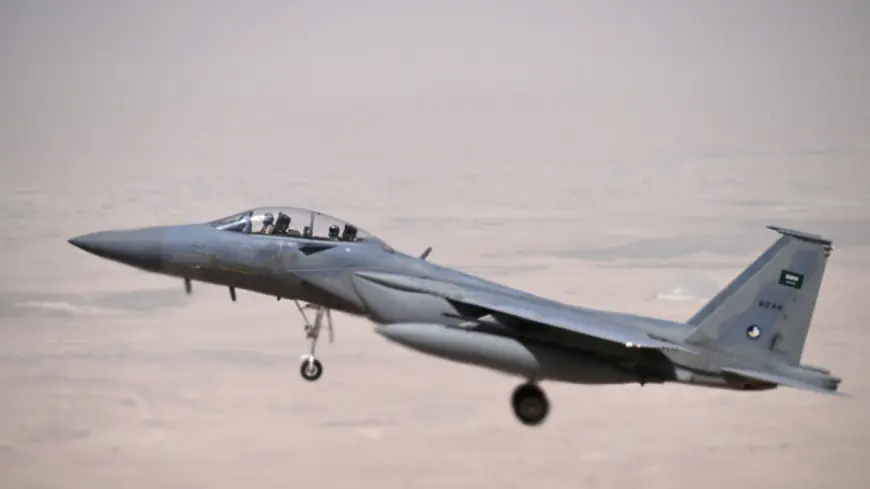
Former Trump administration defence official Bilal Saab was blunt about the strategic fit, noting that the Saudi inventory is extensive and sophisticated. "I don’t see where the Turkish fighter fits into the Saudis’ repertoire, which is extensive already. They have the best F‑15s on the entire planet, " he said. That view reinforces anxiety in Washington that a Saudi‑Turkish deal would undercut future US sales rather than replace them outright.
Yet Riyadh’s motivations appear to be driven by hedging and choice as much as capability. Hesham Alghannam, director general of strategic studies and national security programmes at a Saudi university, framed the interest as pragmatic: Saudi engagement with Turkish industry is about diversification and keeping options open, not an urgent need to displace US aircraft.
Kaan prototypes, engines and a diplomatic dance in Riyadh
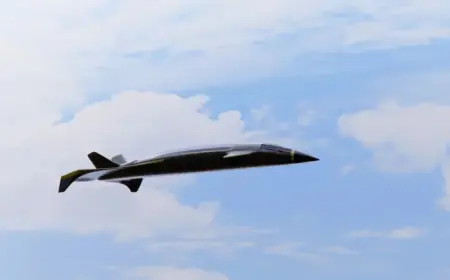
On Feb. 13, 2026 (ET), Turkey released images of a second near‑complete Kaan prototype and a ground test vehicle. The aircraft displayed installed General Electric F110 engines, enlarged air intakes and sensor apertures for infrared search and track and electro‑optical targeting systems. Turkish industry leaders say first flight for the P1 aircraft is expected no later than June and more likely in May.
Turkish officials have signaled readiness to welcome external investment in the program. Turkish Aerospace’s general manager said a potential deal could see between 20 and 50 aircraft made for Saudi Arabia. That pitch is complicated by the engines: even as the Kaan is portrayed as a largely homegrown fighter, early production would rely on US‑made F110 engines until a domestic powerplant is ready in the 2030s. That dependence creates an awkward intersection of geopolitics and procurement rules.
Backroom diplomacy in Riyadh has already yielded results on one front: when Pakistan’s JF‑17 appeared briefly as a possible purchase option, Saudi officials moved to dispel those plans after US pressure. But Saudi assurances have not matched Washington’s demands over the Kaan, leaving a diplomatic standoff that reflects broader strategic competition rather than an imminent military rift.
Choices, alliances and the risk of misreading intent
Analysts caution that the current standoff need not become a crisis. Middle Eastern partners often balance relationships across multiple suppliers to secure technology transfer, local industry development and bargaining leverage. For Riyadh, interest in Kaan offers avenues for joint investment, industrial participation and diversification of defense ties.
Still, the optics matter. A European Gulf analyst warned that there is room for misunderstanding in capitals sensitive to shifts in supply chains and regional posture. That risk is amplified by Washington’s transactional approach to arms diplomacy under the Trump administration, which treats export markets as a key component of broader dealmaking.
For now, the likely outcome is accommodation rather than rupture: Saudi Arabia could buy both US fighters and Turkish jets for different roles, while early Kaan production would still be tethered to US engines. But the episode highlights a new era in which Gulf states are exercising more procurement choice, forcing long‑standing suppliers to adapt to a more multipolar defence marketplace.