













wuthering heights movie reignites debate over whether Brontë's romance is tamed or amplified

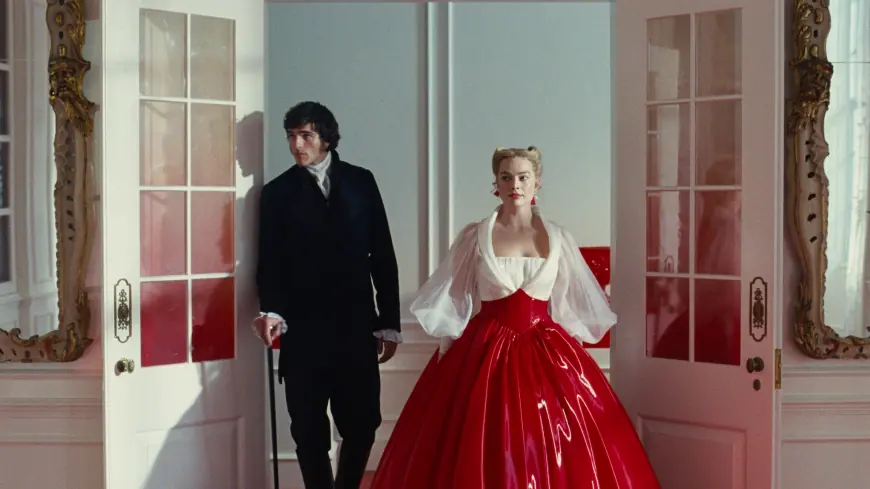
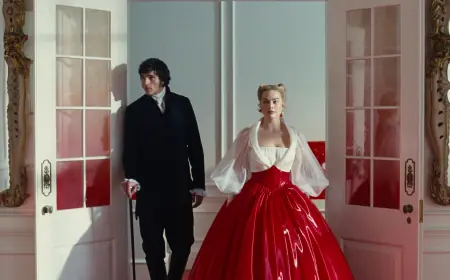
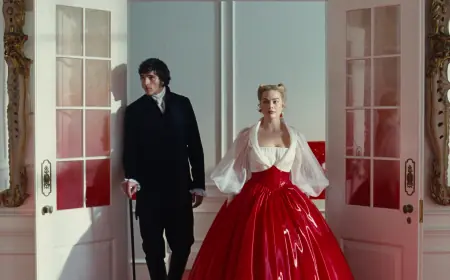
The new adaptation of Emily Brontë’s novel — directed by Emerald Fennell and starring Margot Robbie and Jacob Elordi — has opened amid polarized reactions. Some viewers praise its sexed-up energy and glossy design; others say it strips away the novel’s menace and moral complexity, leaving a romance that reads as sanitized and less strange than the source material.
How the film reshapes Heathcliff and Catherine
The adaptation foregrounds spectacle and sensuality, trading many of the book’s grime and sustained cruelty for sleek production design and heightened eroticism. The leads are presented as magnetic and conventionally glamorous, a choice that has proven intoxicating for some audience members but jarring for readers who expected the novel’s feral, morally ambivalent figures.
In the original story, the central pair emerge from neglect, rage and a kind of social othering; their passion is described as both annihilating and transcendent. The film pares back that brutality in ways that change the balance of the story: protagonists who once felt like monstrous presences now read as wronged lovers, their darker impulses softened or elided. That tonal shift is the core artistic choice driving debate — is a condensation of the book’s cruelty a legitimate reimagining, or does it rob the tale of its defining strangeness?
The movie’s aesthetic decisions amplify intimacy through provocative imagery and a pulsing soundtrack, making the relationship feel immediate and clickable. But several critics argue those pleasures come at the cost of losing the novel’s generational harm and psychological specificity. When violence and coercion are downplayed or reframed as romantic suffering, the adaptation invites questions about responsibility, representation and how much of Brontë’s moral ambiguity remains.
Audience reaction, casting controversies and cultural stakes
Audience responses have been loud and varied. Some screenings erupted with enthusiastic cheering for the leads, while others registered discomfort at scenes that neutralize or eroticize abuse. The casting of a conventionally handsome actor in the role of Heathcliff has been a flashpoint: detractors say the choice erases the character’s racial and social otherness, a central element of how the book constructs his identity and the cruelty he endures and inflicts.
Proponents of the adaptation argue the director intentionally chose a narrow, fantasia-like slice of the novel — a reimagining rather than a literal translation — and that reframing can be artistically defensible. Opponents counter that the novel’s power lies in its simultaneous capacity to horrify and to move, and that the new film’s softening of moral complexity misreads what makes the story endure.
There are also conversations about generational taste: some viewers describe the film as precisely the kind of heightened, stylized romantic tragedy that resonates in contemporary pop culture; others insist it plays like a glossy pastiche that flattens the text’s strangeness into commodity thrill.
Why the novel resists simple adaptation
Emily Brontë’s book resists easy translation to screen because it is built from nested narrators, moral ambiguity and a tonal insistence on being both monstrous and redemptive. That duality — love as both destructive obsession and a force that ultimately attempts to repair harm across generations — is difficult to compress into a single cinematic mood without losing either edge.
Any adaptation must choose which elements to emphasize. The current film opts for eroticism and visual audacity; in doing so it clarifies one possible reading while obscuring others. The result is a movie that is unmistakably stylized and provocative, but also one that leaves many readers and some critics wanting the strange, unsettling aspects that define the original work.
As the conversation around the film continues, it highlights broader questions about what audiences expect from literary adaptations: faithfulness to plot, fidelity to tone, or the freedom to rework a classic into something that reflects contemporary aesthetics. This wuthering heights movie has made its choice, and the cultural back-and-forth suggests the story’s strangeness remains very much alive in public debate.