
















What Would Carolyn Bessette Kennedy Have Thought of the New Calvin Klein?

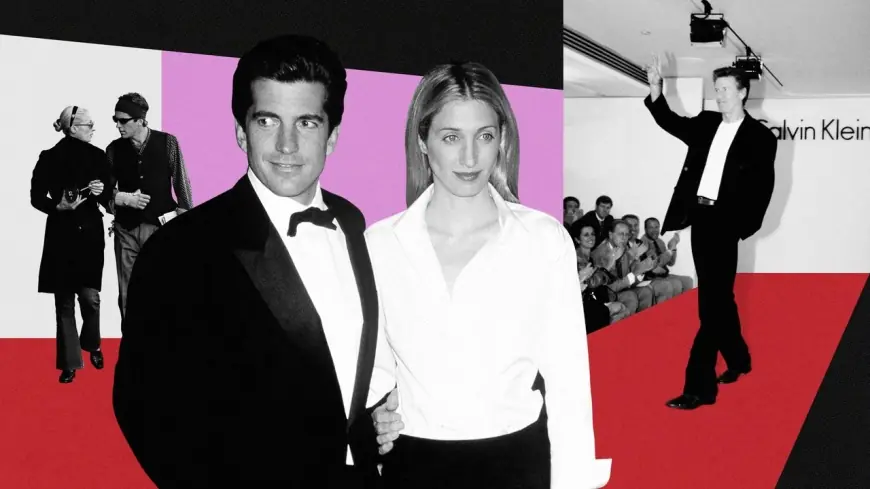
Ryan Murphy’s new limited series Love Story has reignited interest in the late Carolyn Bessette Kennedy’s famously low-key style just as Calvin Klein presented a collection that deliberately avoids the era most associated with her. The overlap has sparked fresh debate about nostalgia, brand identity and who gets to shape public memory of private lives.
The Bessette Kennedy aesthetic back in the spotlight
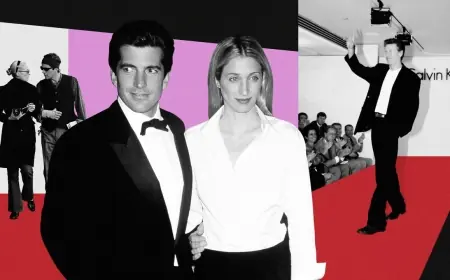
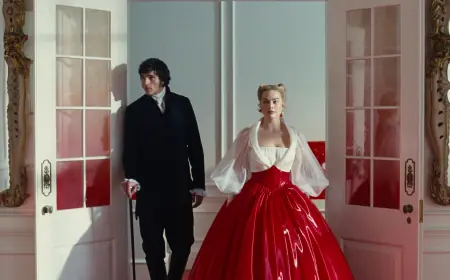
The series places 1990s minimalism front and center: slip dresses, crisp white shirts, pencil skirts and the pared-back tailoring that defined an upper-tier downtown wardrobe. Production and costume teams leaned on archival cues and period details—sparse showrooms, glass-brick offices and a controlled color palette—to evoke the look and the way people moved through the decade before phones dominated hands.
On screen, the style functions as character shorthand. The restrained silhouettes and quiet glamour that Bessette Kennedy embodied read as both an aesthetic choice and a psychological one: clothes that signal careful distance, private sorrow and an almost architectural sense of order. That clarity is part of why the series has attracted attention beyond TV audiences and reanimated a wider appetite for 1990s-inspired staples across fashion circles.
Calvin Klein’s runway detour: not the 1990s redux
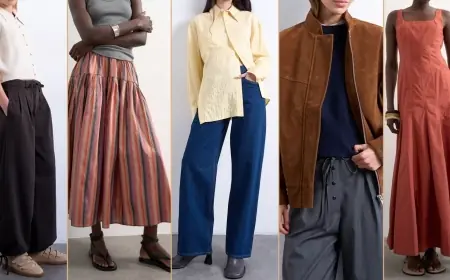
Timing intensified the conversation. The series premiered on February 12, 2026 (ET), and days later the fashion house staged a show that many expected to nod to its 1990s heyday. Instead, the creative direction leaned into an earlier, less codified era: late 1970s and early 1980s references, a looser formal vocabulary and experiments that blurred suiting and lingerie.
The collection included deconstructed suiting—sleeves removed, backs opened to reveal slips—and pieces that felt exploratory rather than reverent. Some looks read as attempts to interrogate brand DNA rather than to canonize a single moment. The result divided critics and consumers: some praised the attempt to avoid obvious nostalgia, while others saw a missed opportunity to reclaim the label’s most iconic era.
Practically, the move also creates commercial space for other designers and labels to mine the 1990s Calvin Klein visual language. Where once a single house might have defined a decade’s essentials, the current marketplace accelerates aesthetic diffusion: capsule collections and partnerships can now translate the show’s visual cues into mass offerings in short order.
Ownership, outrage and the ethics of re-creation
The cultural conversation isn’t just about clothes. The dramatization of a high-profile marriage that ended in tragedy has reopened questions about who may profit from private sorrow. Family members and public figures have voiced objections to dramatizing intimate lives; others defend the project as legitimate storytelling and period reconstruction.
Criticism has been personal at times, and creators have pushed back. The exchange highlights a larger tension in contemporary entertainment: the collision of archival fidelity, creative license and commercial opportunity. For designers and costume teams, the decision is practical—what best serves the character and the narrative? For relatives and fans, it can feel like a reappraisal of memory itself.
Either way, the moment underscores how powerful style can be as cultural shorthand. Whether the public rediscovers Bessette Kennedy through a streaming dramatization, a catwalk pivot or a capsule collection from a fast-moving label, the aesthetic has reentered circulation. How brands and storytellers steward that resurgence will shape both fashion trends and the collective memory of a couple whose image has long been part myth, part personal history.