galgotias university Faces Backlash After Chinese Robot Dog Is Presented as In-House Work at India AI Summit

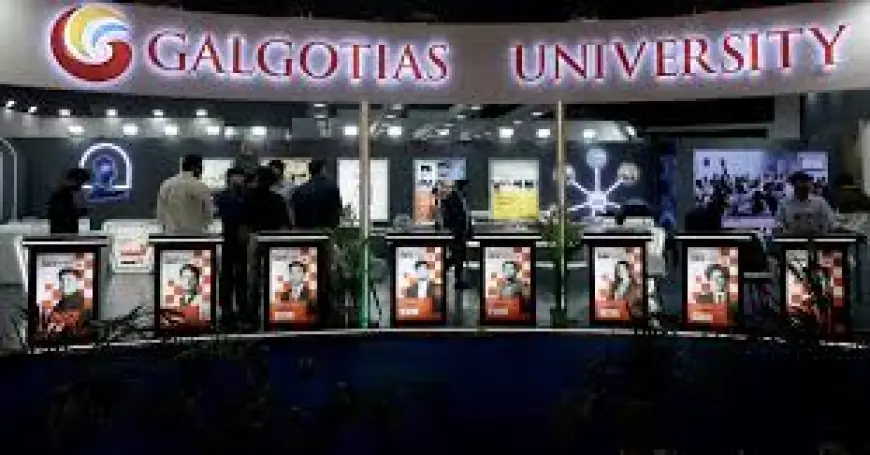
The appearance of a robotic dog at the India AI Impact Summit in Delhi sparked a controversy when a university representative described the machine as part of the institution's work. The device was later identified online as a commercially available Chinese model, prompting sharp criticism, a denial from the university and disruption at the event.
What unfolded on the summit floor
The incident began when a short clip from the exhibition went viral. In the footage, a faculty member at galgotias university spoke about a robot named "Orion" and framed it in the context of the university's Centre of Excellence. Viewers quickly scrutinised the machine and identified it as a commercially sold Go2 model from a Chinese robotics manufacturer, typically marketed from roughly 200, 000 rupees (about $2, 200).
Online reaction was swift. Critics accused the institution of misrepresenting the origin of the hardware, while defenders suggested the episode was a misunderstanding. Following the social media uproar, updates from the summit indicated that the university's stall had been asked to vacate and that electricity at the booth was cut off; observers noted the lights went out and no staff were present shortly afterward. Summit organisers and officials moved to limit the disruption as attention shifted from displays and discussions to the controversy.
University response and claims of misunderstanding
galgotias university issued a statement denying that it had claimed to have built the robot. The message framed the institution's work as educational, saying robotic programming was being used to teach students AI skills and to deploy "real world skills using globally available tools and resources, " while stressing the importance of developing AI talent.
The professor featured in the clip later told reporters that her remarks had been misunderstood, offering that she may not have conveyed her intent clearly. The university characterised the backlash as a "propaganda campaign, " while acknowledging the need to clarify how the device had been presented at its stall.
Faculty at the booth said they had not received formal notice ordering them to leave, creating confusion over what official action had been taken. Meanwhile, summit organisers emphasised that a code of conduct should guide participants and urged that the incident not overshadow the broader substance of the event.
Broader fallout for the summit and lessons for exhibitors
The episode proved embarrassing for event organisers at a gathering intended to showcase policy work, startups and international collaboration on artificial intelligence. The summit drew delegates from more than 100 countries and prominent industry figures, and opened amid reports of overcrowding and long queues that organisers said they were addressing.
Officials cautioned that individual missteps must not detract from the wider goals of the summit: facilitating governance discussions, enabling technology showcases and building partnerships. The episode underscores practical lessons for institutions exhibiting at high-profile events—clear provenance, transparent labelling and careful public messaging are essential when presenting demonstrations to an international audience.
For an event positioned as a flagship moment in the nation's AI ambitions, the affair served as a reminder that optics and accuracy matter as much as innovation. Exhibitors will likely face closer scrutiny going forward, and summit managers appear set to tighten exhibitor guidance to prevent similar controversies as the gathering continues.