




















What Would Carolyn Bessette Kennedy Make of the New Calvin Klein?

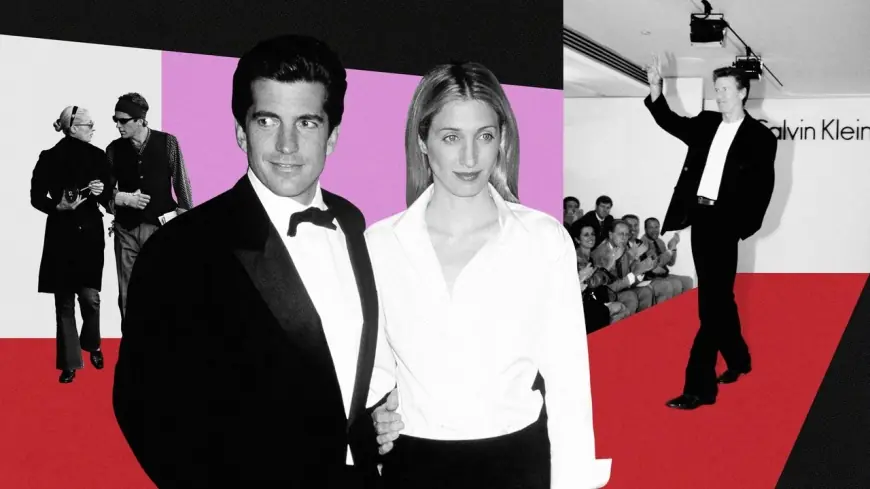
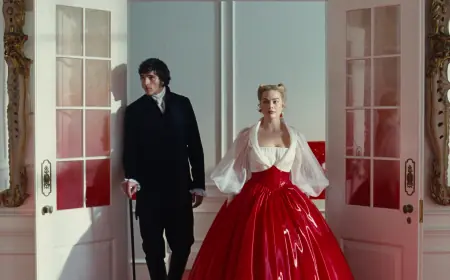
Ryan Murphy’s series Love Story premiered February 12 (ET), reigniting fascination with the 1990s aesthetic that Carolyn Bessette Kennedy helped define. The timing — the show arriving just before a high-profile Calvin Klein runway — turned a cultural question into an immediate design debate: is the industry honoring the era she embodied, or repackaging it for today?
A style resurrected — and reinterpreted
On screen, the couple’s wardrobe and surroundings lean heavily into sleek 1990s minimalism: crisp white shirts, slip dresses, and the spare, glossy interiors of fashion offices. The production design leaned on that era’s clean lines and controlled palettes, even removing obvious technology to sell a pre-smartphone world. That visual fidelity has helped the series convince viewers that it understands the look Carolyn Bessette Kennedy made so synonymous with a certain New York cool.
But translating reverence into the present isn’t straightforward. What reads as timeless on a television set can feel derivative on the runway: a silhouette that works for dramatic storytelling may not answer commercial or creative questions designers face today. The result is less a straight revival and more a conversation between periods — a remix that sometimes flatters the original and sometimes exaggerates its edges.
Calvin Klein’s show answered — in a different key
The fashion house’s recent show deliberately sidestepped the obvious 1990s checklist. The creative direction reached further back, mining late 1970s and early 1980s cues rather than leaning fully into the decade most associated with Bessette Kennedy. That choice produced contrasts: sharply tailored suits with experimental details such as removed sleeves and backless tailoring, alongside racer-back tank dresses trimmed with intricate beadwork.
Those gestures suggested a brand trying to reclaim territory it once owned while also avoiding being a museum piece. The collection mixed muscular tailoring with soft, unexpected references — an attempt to update heritage without simply resurrecting it wholesale. Celebrity attendance at the show was high, but the runway itself felt like an argument with nostalgia rather than an act of surrender to it.
Ownership, ethics and public reaction
The cultural resurrection of a public figure’s style is never purely aesthetic. The limited series provoked debate about who gets to tell private stories and who profits from them. Members of the extended family publicly criticized the series, arguing that dramatizing a life lost in tragedy crosses lines. The creator’s response to those criticisms intensified the conversation, turning a design moment into a larger ethical debate about storytelling, legacy and commerce.
That friction has practical consequences. When cultural products revive a look, they invite other brands to capitalize on it. Capsule collections and partnerships promising a modern take on silk slips and minimalist tailoring appear rapidly after a high-profile dramatization, compressing cultural memory into marketable trends. For some designers, this is creative fuel; for others, it feels like a loss of context.
Ultimately, the question of what Carolyn Bessette Kennedy would have thought about the current Calvin Klein is unanswerable, but the discussion it sparks is useful. It forces the fashion conversation to confront how memory is curated, who controls it, and how a single aesthetic — quiet, precise, and deceptively simple — continues to shape wardrobes and imaginations decades on.