

























daylight saving time returns: When to 'spring forward' and what changes for 2026

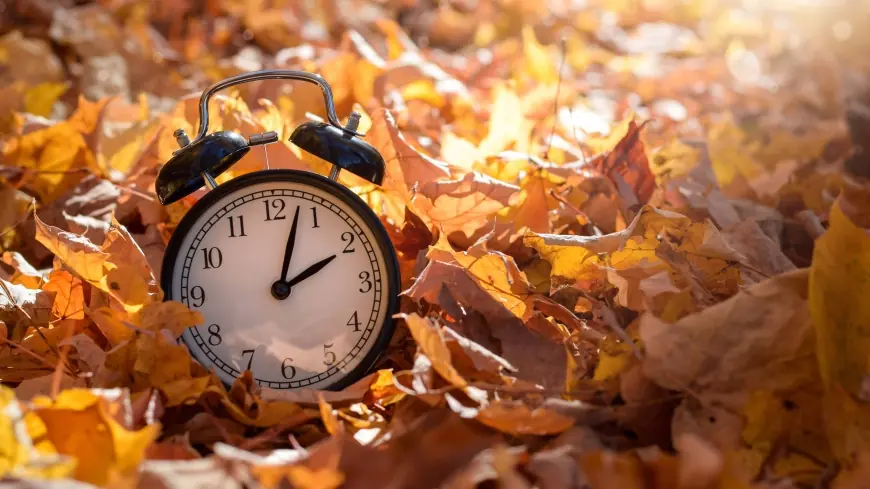
Clocks will jump ahead one hour at 2 a. m. ET on Sunday, March 8, 2026, marking the start of daylight saving time for much of the country. The move shifts daylight later into the evening, nudging sunrises and sunsets an hour later on the clock and signaling a deeper push into spring’s longer days.
When the change happens and what you’ll notice
The official switchover comes at 2 a. m. ET on March 8, when clocks move forward to 3 a. m. That single-hour adjustment won’t create more sunlight, but it will shift when daylight occurs. Morning people may find sunrises after 7 a. m. for a short period, while evenings gain noticeably more light.
On March 8 there will be roughly 11 hours and 34 minutes of daylight. Daylight is already increasing daily; by the time clocks move forward most locales will be gaining about 2 minutes and 51 seconds of additional daylight each day. Between the start of March and the month’s end, total daylight will increase by about 86 minutes, and the run-up to the summer solstice on June 21 will add nearly three more hours of light.
Sunset times will shift quickly. For example, a typical sunset that occurred around 5: 34 p. m. on March 1 will move toward roughly 7: 09 p. m. by the end of March once the clock change takes effect. That later dusk is the main reason many people celebrate the switch — more usable evening light for commuting, recreation and commerce.
Origins, timing changes and the broader debate
The idea of shifting clocks to capture more evening light has roots in wartime energy measures. The practice was standardized decades ago and has seen adjustments since, including a 2007 change that moved the annual start of daylight saving time to the second Sunday in March, shortening the span spent on standard time.
Debate continues over whether the seasonal clock change is necessary. Advocates say it better aligns daylight with typical awake hours and can reduce energy use and boost evening activity. Critics point to disruptions in sleep and circadian rhythms and argue for a stable, year-round option — many proponents favor permanent daylight saving time so evenings stay brighter year-round, while others prefer permanent standard time for earlier morning light in winter.
Practical tips and signs that spring is coming
Practically speaking, most devices update automatically; analog clocks and some appliances will need a manual push. Expect a slight bump in evening activity and a short adjustment period for sleep schedules. For parents, commuters and shift workers, planning bedtime earlier than usual in the days before the change can ease the transition.
Beyond the clocks, nature is already hinting at seasonal change. Morning birdsong becomes more common, early-blooming shrubs such as witch hazel will begin to show color, and crocuses in sunny spots may push through even where snow lingers. Astronomical spring, the vernal equinox, falls at 10: 46 a. m. ET on March 20, 2026, with meteorological spring beginning at the start of March; both markers underline that the shift in daylight is part of a larger seasonal progression.
Whether you greet the time change with relief or grumble about losing an hour of sleep, the shift is a recurring calendar cue that the days are lengthening. For now, set clocks ahead at 2 a. m. ET on March 8 and plan for brighter evenings as the region moves toward summer.