pam bondi faces blistering criticism over handling of Epstein file release

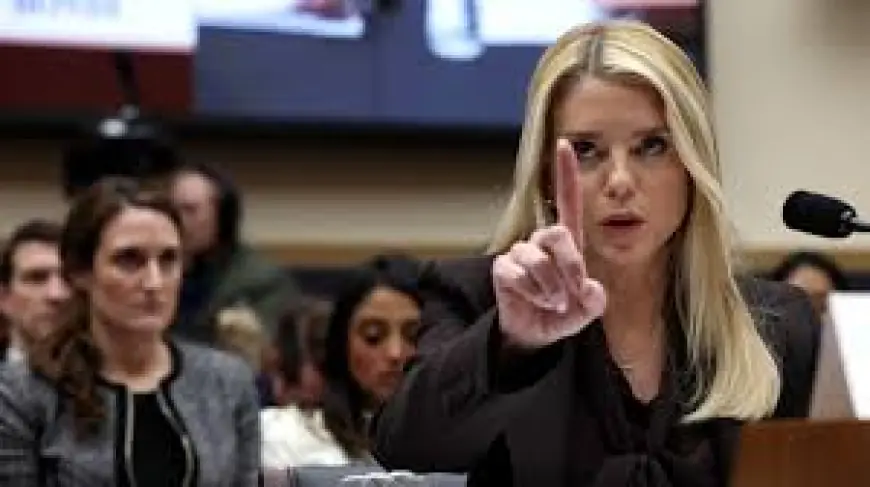
Attorney General Pam Bondi was sharply rebuked this week in a House Judiciary Committee hearing for the Justice Department’s chaotic release of files tied to Jeffrey Epstein. Survivors in the gallery and members of both parties criticized the department’s handling of sensitive material, and the hearing exposed deep frustration over redactions, privacy failures and what witnesses called a pattern of protecting the powerful.
Confrontation in the hearing room
The exchange in the committee room grew tense and personal. Bondi declined to apologize to victims who attended the hearing and, moments later, demanded that Democrats apologize to President Trump. Her tone included derisive language aimed at several members of the committee; she called the ranking member a “washed-up, loser lawyer, ” labeled another lawmaker a “failed politician, ” and offered an irrelevant boast about the Dow Jones industrial average surpassing 50, 000 points when pressed with an uncomfortable question.
Witnesses and survivors described the scene as a fresh layer of humiliation for women who have already endured prolonged waits for accountability. For many of those in the room, the Department of Justice’s actions have compounded prior harm rather than offering transparency or redress.
Botched release and victims’ privacy
The department’s public release of documents tied to Epstein drew criticism for failing to protect privacy. Officials uploaded dozens of unredacted images to a public site, including nude photos of young women and possibly teenagers, an error that survivors called shocking and devastating. One survivor who has testified previously against a close associate of Epstein said it was “hard to imagine a more egregious way of not protecting victims. ”
At the same time, the release appears selective. Lawmakers who have reviewed the files say a large portion of the material remains heavily redacted, with the identities of several wealthy, high-profile men obscured. Committee members and advocates questioned why the department made what appeared to be careless choices about victims’ dignity while appearing meticulous about shielding certain names and details.
Political fallout and unanswered questions
Critics characterized the document release as a weaponized exercise dressed up as transparency. The uneven approach has fed accusations that the department used discretion to protect influential individuals while exposing vulnerable survivors. That perception has further eroded trust in the process, lawmakers said.
Beyond the immediate outrage, the hearing left unresolved questions about internal decision-making at the Justice Department. Lawmakers want a clearer explanation for the redaction choices, the oversight breakdown that led to unredacted material going public, and what steps will be taken to prevent similar breaches. Several members signaled they will pursue additional oversight and potentially legislative remedies to tighten rules around the release of sensitive evidence.
For survivors in the gallery, the episode underscored a broader theme: procedural decisions can re-inflict harm. The combination of public missteps and perceived preferential protections for the powerful has prompted renewed calls for accountability and for policies that prioritize victims’ privacy in any future disclosures.
As the fallout continues, the Justice Department faces pressure to explain both the technical errors and the rationale behind extensive redactions. Lawmakers from across the aisle expressed frustration that the moment intended to clarify past failures instead magnified questions about judgment, transparency and fairness.