




















Trump appoints chamberlain harris to Commission of Fine Arts as critics question arts credentials

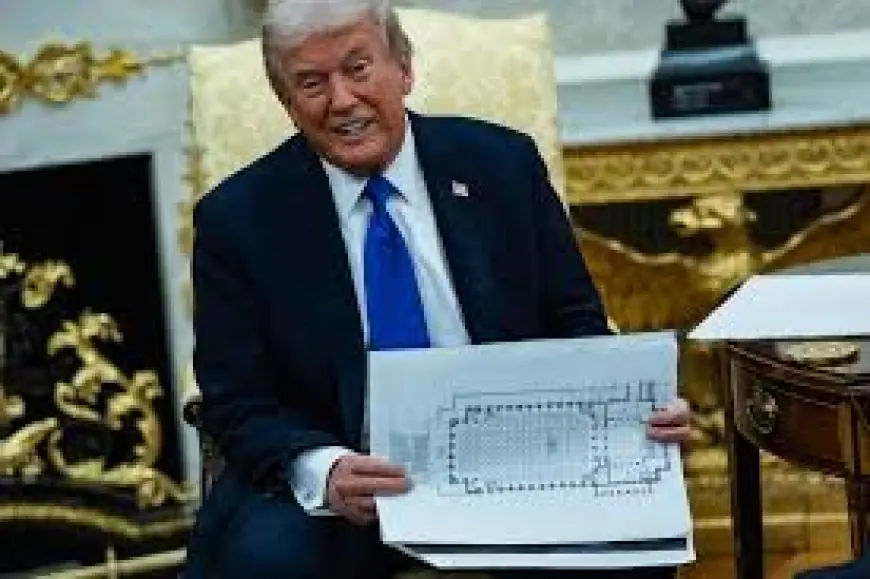
Donald Trump has installed 26-year-old Chamberlain Harris on the federal Commission of Fine Arts and she is set to be sworn in Thursday (ET). Harris’s elevation to the 116-year-old review panel comes as the commission prepares to consider a suite of controversial presidential design projects, prompting debate over experience and political influence at a body long tasked with safeguarding the capital’s architectural heritage.
Young appointee brings White House experience but limited arts resume
Harris, who began working in the White House Office of Administration after earning a bachelor’s degree in political science in 2019 with minors in communications and economics, rose quickly within the president’s inner circle. She became known as the White House receptionist in September 2020 and has since held the title of deputy director of Oval Office operations. Her profile on the Commission of Fine Arts lists responsibilities that include managing a Presidential Portrait Project in cooperation with a national museum institution.
Despite that background, Harris arrives at the commission with little in the way of publicly documented professional experience in the visual arts, architecture, historic preservation or design review. Former commissioners and preservation advocates say such expertise has traditionally been central to the CFA’s role as a federal advisory panel established by Congress to assemble "well-qualified judges of the fine arts. " The appointment of a younger political staffer to the commission underlines a shift in how membership is being defined and selected.
Panel reshaped as it considers high-profile White House projects
The move follows the dismissal of the panel’s previous members last October and a wave of new appointments that places allies and administration confidants on the commission ahead of its next public meeting Thursday (ET). The timing has drawn attention because the commission is poised to weigh in on a proposed $400 million White House ballroom and other large-scale projects that have generated controversy in Washington.
Those projects include plans described by critics as grandiose renovations and new monuments—projects that some preservationists and legal challengers contend sidestep established review processes. The administration has already advanced construction plans on some elements without full consultation with traditional federal review panels, a move that has prompted litigation alleging overreach.
Architecture professionals who previously worked with the panel have noted that one of the architects originally tapped for the ballroom reportedly raised concerns about scale and feasibility and was replaced. That architect has since been added to the commission roster, joining other appointees from federal cultural agencies and conservative voices in the arts community. The reconstitution of the panel changes its composition at a pivotal moment for public review.
Administration defends pick; preservationists raise alarms
A White House spokeswoman described Harris as a "loyal, trusted, and highly respected advisor to President Trump" who "understands the President’s vision and appreciation of the arts like very few others, and brings a unique perspective that will serve the Commission well. " The statement framed her appointment as an asset to the commission and emphasized her role managing presidential projects.
Preservation groups, former commissioners, and some members of the design community counter that the CFA’s purpose is technical and evaluative, requiring subject-matter knowledge to judge monumental and civic works that shape the capital’s public realm. They argue that the panel’s credibility depends on demonstrable expertise in design, conservation and the stewardship of historic fabric—qualities they fear may be sidelined as appointments tilt toward personal loyalty.
With the next public session set for Thursday (ET), the reconstituted commission will soon be called on to review projects that could redefine parts of the capital and the White House grounds. The outcome of those reviews—and any legal challenges surrounding the administration’s construction timeline—will likely determine whether the panel can assert independent oversight or becomes a vehicle for advancing the president’s private architectural ambitions.