












robert duvall Seared Himself Into Our Memories Even When He Wasn’t the Star

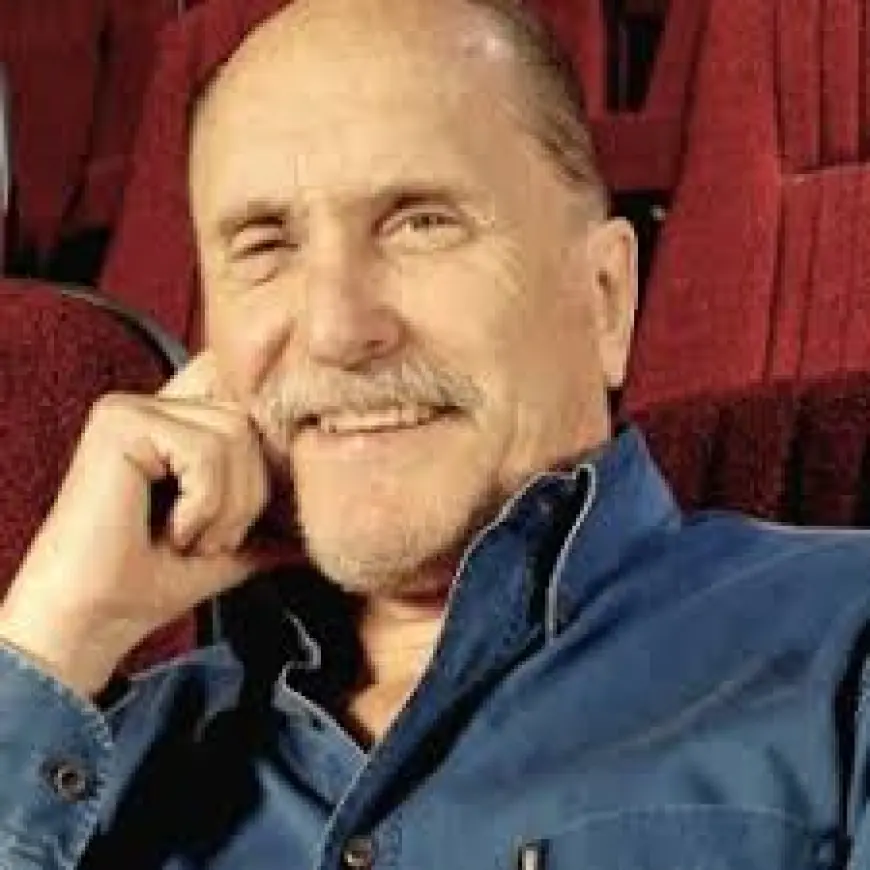
Robert Duvall, the veteran actor whose subtle intensity made supporting roles feel like center stage, has died. He was 95. Duvall died on Sunday, Feb. 16, 2026 (ET), at his home in Virginia. Across seven decades he moved effortlessly from brooding character parts to leading roles, leaving a trace on some of the most enduring films and television dramas of modern cinema.
A career defined by presence, not volume
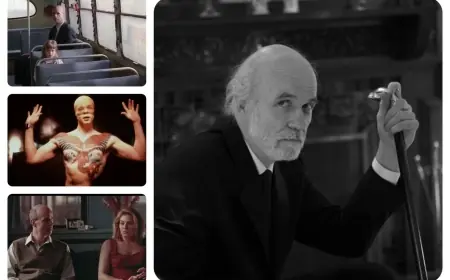
Duvall’s signature was the ability to register a lifetime of experience in a single look. Early on he appeared as the reclusive Boo Radley, a silent moral force in a landmark 1962 adaptation of To Kill a Mockingbird, establishing how much could be communicated without words. He later materialized in Francis Ford Coppola’s inner circle of collaborators, most memorably as Tom Hagen, the cool, pale consigliere in The Godfather films. In the famous opening sequences of that saga, his silent positioning and steady gaze convey loyalty, intelligence and a quiet authority that anchors many of the movie’s power dynamics.
That same economy of expression surfaced across a wide range of work: a patrolman in an early road drama who hints at menace beneath charm; a hardened Vietnam veteran in Apocalypse Now whose steadiness amplifies the chaos around him; and an over-the-hill country singer in Tender Mercies, the role that earned him an Academy Award for Best Actor. Duvall could carry a film as well as he could elevate an ensemble, and he often chose parts that allowed the interior life of a character to do the heavy lifting.
Collaborations, craft and an old-school work ethic
Directors and co-stars sought Duvall for the reliability of his craft. He worked repeatedly with influential filmmakers and fit seamlessly into large, demanding productions without losing the small details that made his performances memorable. A string of nominations and awards across film and television — from the Oscar he won in 1984 to Emmy recognition for Westerns and miniseries — reflected both versatility and discipline. He also wrote and directed, notably on The Apostle, a personal project that earned him further critical attention and a Best Actor nomination.
Colleagues remembered him as a consummate professional who brought both wit and seriousness to sets. His ability to anchor scenes without dominating them made him a prized presence: a collaborator who enhanced the work of others while leaving an indelible mark of his own. Off screen he maintained passions that matched the roles he played, including a lifelong interest in horses and rural life at his Virginia ranch.
Legacy: how small gestures became unforgettable
Duvall’s legacy is not a single role but a pattern of performances that registered long after the credits rolled. He gifted viewers moments that lodged in memory — a shifting glance, a measured pause, the quiet accumulation of authority. From early television to major studio pictures and intimate indies, he consistently turned roles into characters who felt lived-in and whole.
As tributes arrived, the common refrain was that his portrayals felt less like acting and more like the honest excavation of a human life. That blend of humility and force is why his work endures: he taught audiences to pay attention to what was not said and to appreciate the gravity of small, truthful details. In an era that prizes spectacle, Robert Duvall will be remembered for demonstrating how much power there is in restraint.