





















Why the hunting party Is Dominating Conversations: Everything to Know About the FBI Procedural

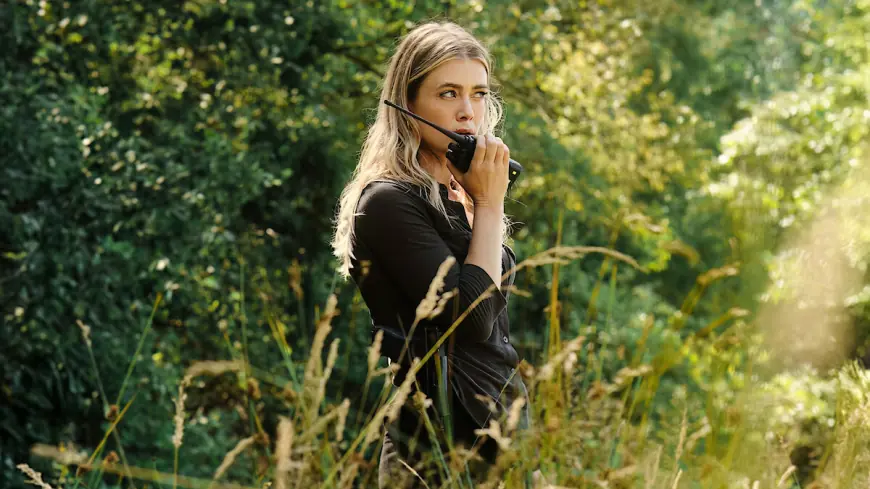
The Hunting Party has moved from a modest network launch to a wider mainstream spotlight, driven by a high-concept premise and a second-season push that began in January 2026 (ET). The series centers on an FBI profiler leading a task force charged with tracking down serial killers who were thought to be permanently contained — a setup that has drawn comparisons to other popular crime dramas while carving out its own niche.
Premise and key players
The show follows Rebecca “Bex” Henderson, an FBI profiler portrayed by Melissa Roxburgh, who leads a specialized unit assembled to pursue the nation’s most dangerous offenders. The twist: the targets aren’t new threats so much as criminals who escaped from a secret underground federal prison known in the series as “The Pit. ” That conceit turns routine procedural beats into a game of cat-and-mouse with heightened stakes, because the fugitives already have murder histories and a familiarity with law enforcement tactics.
The format blends case-of-the-week storytelling with serialized arcs. Individual episodes often focus on a single fugitive and the forensic and psychological work used to catch them, while season-long mysteries — including the origins of The Pit and the conspiracy threads that enable these escapes — provide continuity and escalating tension.
Release timeline and audience reaction
The series premiered in January 2025 (ET) and was renewed in May 2025 (ET) following strong early viewership and positive critical attention. The second season returned in January 2026 (ET), which expanded the narrative scope and deepened character backstories. That return, coupled with subsequent wider availability, has pushed the series into mainstream conversation and prompted more viewers to sample the first season.
Critics and general audiences have largely responded favorably, noting that brisk pacing and twist-driven plotting make episodes easy to consume. Reviewers praise its ability to balance suspenseful manhunts with procedural detail, and many viewers highlight the lead performance as an anchoring force for the material. These reactions have helped the show maintain momentum beyond its initial broadcast window.
Why viewers are tuning in now
Several factors explain the recent spike in attention. First, the show’s central hook — tracking killers who were presumed permanently off the streets — feels fresh within a crowded crime-TV landscape. Second, the combination of standalone episodes and longer mysteries makes the series approachable for casual viewers while rewarding binge-watchers. Finally, the lead’s portrayal of a driven, morally complex profiler gives the show a human center that keeps character investment high even as the plotting delivers shocks.
For viewers who like procedural shows with psychological depth and serialized payoff, this one offers a mix of both. New plot threads introduced in season two ramp up the stakes and set up potential long-term confrontations, which means the series could continue to be a talking point as future episodes and seasons unfold.
As the show continues its rollout and attracts new audiences, expect more conversation about its conspiracy elements, the ethical dilemmas faced by the task force, and how the creators will escalate the conflict around The Pit. For now, The Hunting Party stands as a strong entry in contemporary crime drama: familiar in form but willing to push the premise into darker territory.