




















Review: how to get to heaven from belfast — Lisa McGee's frenetic, female-led caper

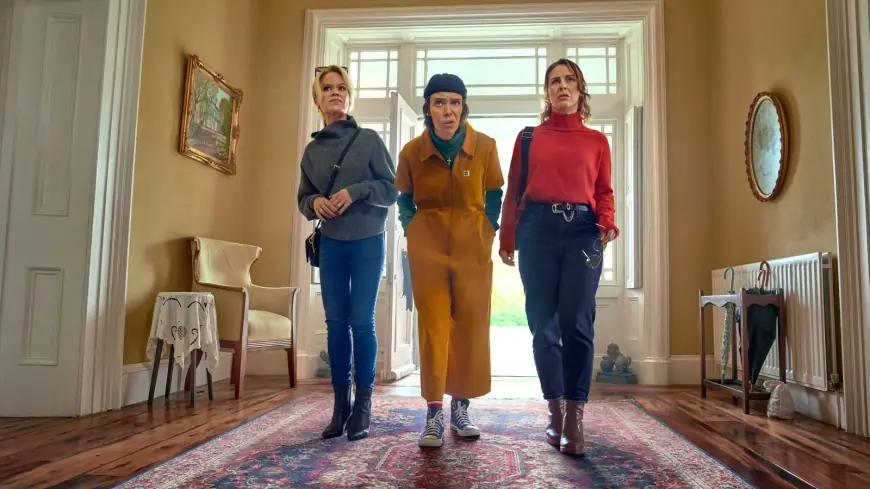
Lisa McGee’s new eight-part series reunites the bickering, loyal energy of her earlier work with a twisty murder-mystery. Equal parts comedy and thriller, the show delivers breathless plotting, razor-sharp dialogue and a trio of central performances that carry every tonal swerve.
A razor-sharp, female-led caper
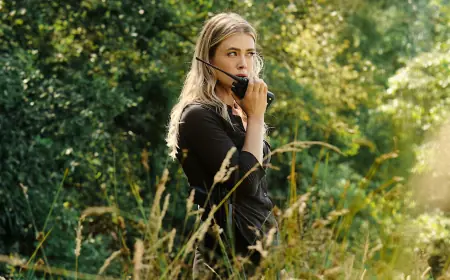
The premise is pure fuel for a road-trip caper: three middle-aged friends — Saoirse, Dara and Robyn — reconvene at the wake of their fourth schoolfriend, Greta, only to find the body in the coffin isn’t the woman they remember. Saoirse, a crime writer by trade, smells foul play the moment she notices the missing occult tattoo that linked the quartet two decades earlier. What starts as suspicion quickly becomes a frantic investigation that arcs across towns and decades, propelled by secrets bound up in a forest shack, a fire and a menacing symbol on the wall. The series keeps momentum without losing sight of the characters’ messy, lived-in lives.
McGee leans hard into female friendship as the engine of the narrative. The chemistry between the three leads is electric: they spar, protect and resent one another with the intimacy of people who have shared trauma and snacks in equal measure. The show revels in small, funny human details — a mother juggling four kids and a controlling partner, a writer who traded artistic ambition for bills — and then flips into tense set pieces that remind viewers this is a mystery with teeth.
Standout performances and production notes
The cast elevates the material at every turn. A standout turns in a sensational, scene-stealing performance that blends comic timing with piercing hurt; supporting actors bring an off-kilter menace, particularly in the roles of Greta’s widower and her formidable mother. Moments of genuine menace are amplified by careful casting choices that keep you unsettled long after the scene cuts away.
Visually the show is ambitious. Filming spans locations across Northern Ireland, the Republic of Ireland and London, giving the series a cinematic sense of scope. The road-trip element is bolstered by strong location work: country roads, coastal towns and scrubby woods are all used to heighten both humour and dread. The sound design and editing push the episodes forward at a brisk pace, sometimes so brisk that viewers may wish for a brief pause to linger on quieter emotional beats — but that energy is also part of the series’ charm.
Why it matters
McGee has openly loved murder mysteries since childhood, and she’s taken that affection and turned it into something distinctly her own: a messy, caring, fiercely female story that refuses to be pigeonholed as either pure comedy or pure thriller. The series mines the specifics of its setting without reducing characters to mere cultural shorthand; the past looms large, shaping how these women move through present danger and interpersonal fallout.
At a moment when many prestige dramas lean toward solemn weight, this show dares to be loud and funny and frightening in equal measure. Fans of sharp, character-driven mysteries will find much to admire: deft plotting, memorable set pieces and a tone that keeps you guessing while making you laugh. If you only see one thing this year, this chaotic, compassionate caper is a persuasive contender.