























Ramadan 2026: Dates, What to Expect and How the Moon Sighting Could Shift the Start

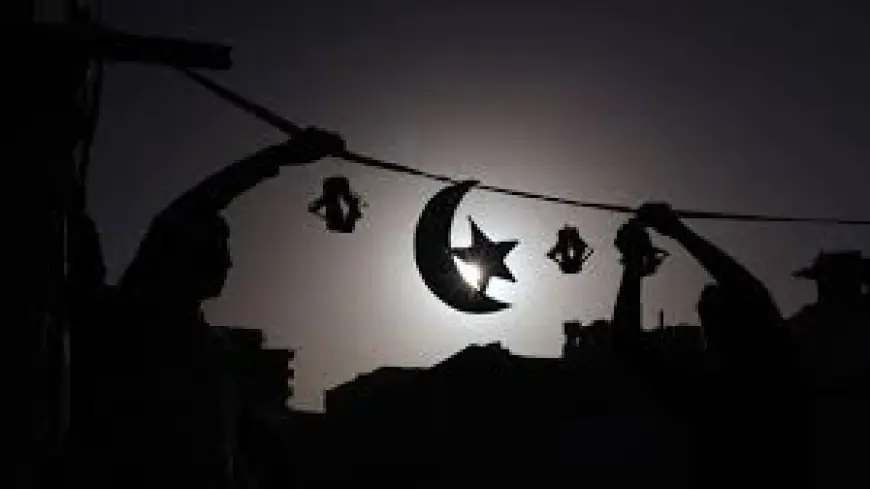
Muslim communities around the world are preparing for Ramadan 2026, which is projected to begin in early March. With the Islamic calendar governed by the lunar cycle, the exact start will hinge on moon sighting and regional religious authorities, so plans for prayer timetables, fasting schedules and communal events remain provisional.
Projected start and important ET dates
Based on astronomical calculations, the new lunar month of Ramadan is expected to begin around the evening of Sunday, March 1, 2026 (ET), with fasting likely beginning at dawn on Monday, March 2, 2026 (ET) for many communities. This projection uses astronomical estimates for the new moon’s conjunction and visibility and is subject to change by a day depending on local moon-sighting confirmations.
Key dates to track in Eastern Time (ET):
- Evening of Sunday, March 1, 2026 (ET): projected moon sighting window for the start of Ramadan 2026.
- Monday, March 2, 2026 (ET): likely first full day of fasting if the new moon is confirmed the night before.
- Late March to April 2026 (ET): expected dates for mid-Ramadan observances and the night prayers that intensify toward the final ten nights.
Why the date can shift and what communities do
The Islamic calendar is lunar, so months begin with the sighting of the new crescent moon. Some communities rely on local visual sighting, while others accept global moon-sighting or astronomical calculations. That variance commonly produces a one-day difference in when Ramadan begins across regions and congregations.
Religious councils and local mosques typically announce confirmed start dates after organized sighting efforts the evening before the projected start. Where a moon is not sighted, communities may continue Sha'ban for an extra day, moving the first fast accordingly. Families and organizers often wait for these confirmations before finalizing large communal iftars, mosque schedules and charity drives.
What to expect this year: observances and community planning
Ramadan 2026 will follow the familiar pattern of fasting from dawn until sunset, increased communal prayers, and charity. Many communities begin registering volunteers and scheduling tarawih prayers and Quran recitation sessions weeks in advance. Mosques and community centers also coordinate food distribution and emergency aid programs to support low-income families throughout the month.
Public institutions in regions with significant Muslim populations may issue holiday schedules and adjusted hours for the month. Health advisories are typically issued each year to guide safe fasting practices, especially for people with medical conditions, pregnant or nursing women, and those on essential medications. Employers and schools often prepare flexible arrangements to accommodate observant employees and students.
Travel and event planners are advised to build a one- or two-day margin into schedules around the projected start date to account for differing local announcements. For international communities, it’s common for some congregations to observe the start of Ramadan on one day while others begin the following day.
As communities finalize plans, anyone observing Ramadan 2026 should monitor local announcements from their place of worship for the confirmed start and end dates. Those organizing public events or services during the month should remain ready to adapt to last-minute confirmations tied to the crescent sighting.
Filmogaz will continue to track updates on Ramadan 2026 timing and notable observances as local announcements are made.