













UK picks look mum no computer eurovision song entry for Vienna

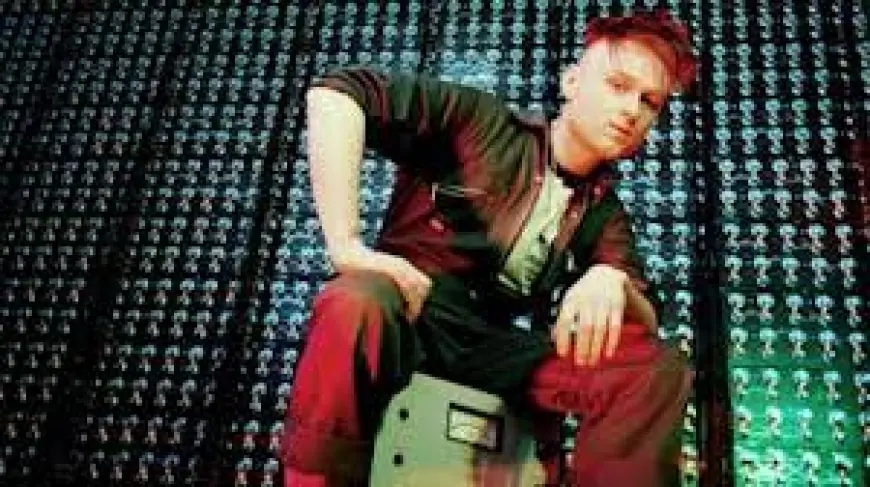
The United Kingdom has chosen electronic artist, inventor and YouTuber Look Mum No Computer to represent the country at the Eurovision Song Contest in Vienna in May 2026. The Kent-based performer — real name Sam Battle — is best known for building strange, hands-on instruments and documenting the creative process online. He also holds a Guinness World Record for constructing the world’s largest drone synthesizer.
From indie frontman to experimental instrument-maker
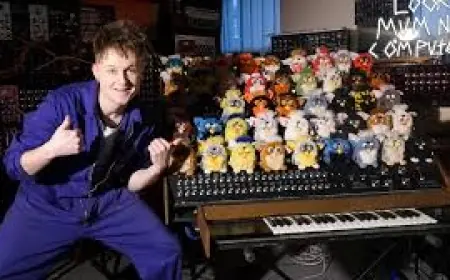
Battle first emerged on the music scene as frontman of indie band Zibra, which performed at Glastonbury in 2015. Since launching his solo project under the moniker Look Mum No Computer he has carved out a niche combining songwriting, live electronics and DIY invention. His work includes organs built from Furby toys, Game Boys repurposed as keyboards, a synthesiser bicycle and even flame-throwing keyboards, all showcased across a large online following and a Ramsgate museum dedicated to experimental and obsolete musical technology.
He framed the Eurovision call-up as the next chapter in a long-running creative trajectory: "I find it completely bonkers to be jumping on this wonderful and wild journey, " he said. "I have always been a massive Eurovision fan, and I love the magical joy it brings to millions of people every year, so getting to join that legacy and fly the flag for the UK is an absolute honour that I am taking very seriously. " Battle has told audiences he will bring every ounce of his creativity to the performance and hinted that the act will lean heavily on the unusual instruments and stagecraft he’s known for.
A deliberate gamble as the contest evolves
The selection was made internally with input from industry experts. A senior entertainment executive described him as an artist whose "bold vision, unique sound and electric performance style make him a truly unforgettable artist, " and said his creativity and humour fit what the UK hopes to celebrate on the Eurovision stage.
The move signals a risk-embracing strategy. Eurovision this year arrives amid a shifting landscape: several countries have announced boycotts, and overall television audiences for the contest have fallen in recent years. The UK’s recent results have been mixed — last year’s entry finished 19th — prompting fresh thinking about how to stand out. Commentators have framed the choice as a bid to embrace the contest’s increasingly experimental and theatrical trends rather than chase mainstream pop formulas.
One national radio DJ has said they have already heard the unreleased track, but the song itself has not yet been made public. Battle has promised a visually striking set and a sound that reflects his hands-on production ethos, teasing audiences with the line: "I hope Eurovision is ready to get synthesized!"
What to watch for in Vienna
Expect the UK entry to prioritize invention and spectacle over conventional staging. Battle’s performances typically highlight bespoke instruments and live manipulation, so the winning formula may pair an idiosyncratic soundtrack with strong visual storytelling. That could either capture the imaginations of viewers tired of formulaic pop performances or further polarize audiences open to more avant-garde entries.
With the contest set for May 2026, attention will turn to release timing, staging plans and whether the act’s online audience can translate into broader pan-European appeal. For now, the decision marks a clear departure from safer, nostalgic picks of the past and a statement that the UK will lean into creative risk at the international contest.
Battle’s museum, YouTube channel and hands-on approach mean the UK’s Eurovision pitch will arrive with not just a song but a wider artistic ecosystem — a calculated, unconventional bid to make noise in Vienna.