













wuthering heights movie Sparks Debate — Has Fennell Tamed Brontë’s Strange Love Story?

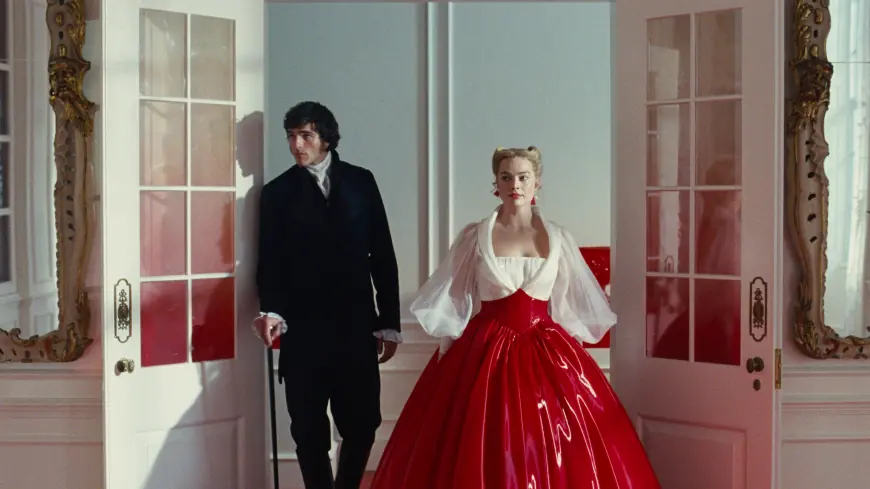
Emerald Fennell’s new wuthering heights movie opened this weekend and has provoked sharp division between critics and audiences. Some reviewers argue the adaptation smooths over the novel’s unsettling textures and moral complexity, turning monstrous lovers into glamorous romantic leads. Other viewers have embraced the film’s eroticized spectacle, energetic soundtrack and star chemistry at packed screenings. The debate centers on whether a faithful translation of Emily Brontë’s fiercely strange novel is possible—or even desirable—on a modern, stylized stage.
Critics: the novel’s strangeness and moral bite are blunted
Many critics contend the biggest loss in Fennell’s film is the book’s corrosive duality: a love that is both annihilating and oddly redemptive. Where Brontë’s text pits feral obsession against long-term ruin, this adaptation is described as leaning into glamour and erotic allure, softening its characters’ culpability. Reviewers note that key elements that make the source material unsettling—its jagged narrative layering, moral ambiguity and moments of raw cruelty—receive less space here. The result, in their view, is a romance that reads as glossy and sentimental rather than a strange, destabilizing force.
Visual and production choices amplify the sense of departure. Ostentatious set and costume design—textures and close-ups that emphasize flesh, latex and fetishized ornament—give the picture a fetishistic sheen. Some critics argue that these visual gambits substitute shock value for the novel’s deeper, harder-to-stage estrangement, and that the emotional stakes are diminished when the protagonists are primarily framed as desirably attractive rather than morally complex.
Audiences, star power and questions of representation
Audience reactions have been more varied. At a private screening on Feb. 13 (ET), enthusiastic viewers cheered the leading pair and the film’s lurid pleasures, describing the experience as thrilling and sensual. The casting of high-profile performers with strong screen presence has clearly drawn crowds and conversation, and scenes staged to provoke a visceral response—especially intimate, charged encounters—have sparked vocal fandom at screenings.
Yet the casting choices have also ignited controversy. The novel’s portrayal of Heathcliff—complex, racially ambiguous and described in unsettling terms—has a long history in adaptations and criticism. Some viewers and commentators have questioned whether this film’s casting and aesthetic choices downplay that aspect of the character, and whether that choice contributes to a general smoothing of the story’s thornier elements. There are further concerns that the film’s reframing diminishes the novel’s hard material on coercion and domestic abuse, refracting it into heightened eroticism rather than subjecting it to rigorous moral scrutiny.
What’s at stake for adaptations of Brontë’s classic
At stake is more than fidelity; it is about which registers of Brontë’s novel an adaptation chooses to amplify. The original remains famously strange: a book that can feel both repellant and magnetic, whose power comes from making love look like a force beyond morality and social order. Filmmakers face a choice between excavating that strangeness—with its discomfort and moral provocation—or reimagining a portion of the text as a stylized fantasia that foregrounds sensuality and spectacle.
This new film is explicit about its tone and ambitions, and audiences will decide whether the trade-offs yield a fresh, provocative work or a diminished version of a famously uncompromising story. For readers yearning for Brontë’s unsettling dualities, the adaptation may feel like a softened echo; for viewers seeking a modern, glossy reinterpretation, it represents a bold, if controversial, reimagining. Either way, the conversation around this wuthering heights movie underscores how difficult it still is to pin down a book that remains, after nearly two centuries, both deeply strange and deeply loved.