

















Late-night showdown over james talarico interview draws FCC scrutiny

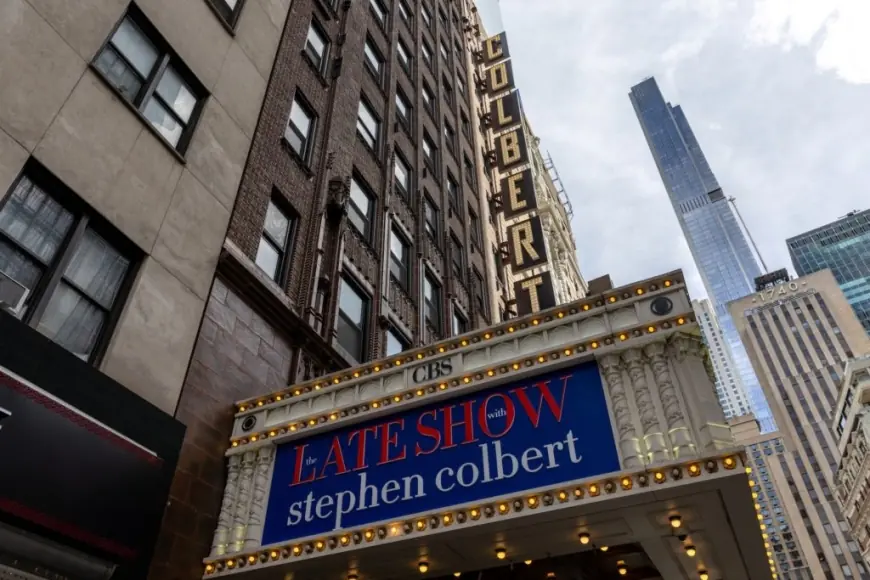
The dispute began when a late-night host planned to broadcast an interview with james talarico, a Texas Democrat running for the U. S. Senate. The host says his network advised against airing the segment; the network says it offered legal guidance and alternatives. An FCC commissioner has weighed in, highlighting ambiguities in longstanding equal-time rules and the limits of the news exemption.
What happened on the broadcast and online
The late-night host announced that his planned interview with james talarico would not air on broadcast television after the program’s legal team warned the segment could trigger the federal equal-time rule. The host pushed back on that characterization and instead made the interview available through the show’s online channel.
The network offered a different account: it did not block the interview but provided legal counsel saying a broadcast could create obligations under the equal-time statute for other candidates running in the same race. The guidance reportedly included options the show could take to address those obligations if it chose to air the conversation.
The clash centers on whether a guest appearance by a legally qualified candidate on an entertainment-format program is covered by the narrow “bona fide news” exemption that has long shielded many interview segments from equal-time claims. For decades, entertainers and producers have treated late-night and daytime talk shows as falling under that exemption. But recent communications from an FCC leader have suggested that exemption might be narrowed.
FCC perspective and legal questions
FCC Commissioner Anna Gomez told interviewers that the commission’s recent notice on the equal-time rule did not introduce new legal text but reiterated the statute’s framework: legally qualified candidates may request equal time if a broadcaster offers time to another candidate. The statute has a long-established news exemption for programming deemed newsworthy, but she noted regulators and broadcasters are now debating what qualifies as “bona fide news” in the context of entertainment shows.
Commissioner Gomez said the agency’s public statements this year left unresolved questions rather than providing definitive new guidance. She emphasized that the equal-time provision is statutory and that the news exemption historically allowed producers discretion in booking guests without automatically creating equal-time obligations. That discretion, she said, is the central issue in the current dispute.
The recent attention to the rule has already prompted broadcasters to seek legal counsel before airing interviews that could involve multiple candidates in the same contest. That heightened caution has fueled a debate over whether legal risk is changing editorial decisions in real time, and whether regulatory signals are chilling speech on broadcast platforms.
Political and industry implications
The incident has stirred questions about editorial freedom, regulatory authority and equal treatment of candidates. Broadcasters face a choice between asserting editorial discretion under the news exemption and heeding legal advice that warns of potential equal-time obligations. For hosts, producers and station managers, that balance now involves not only statutory text but also the perception of regulatory risk based on recent agency statements.
For candidates such as james talarico, the episode highlights how media access can be affected by legal and regulatory interpretations as much as by editorial judgment. It also raises broader concerns among media observers about how regulatory posture shapes the mix of political voices on traditional broadcast outlets.
Commissioner Gomez invited further public dialogue, signaling that the commission may continue to clarify the interplay between the equal-time rule and modern entertainment programming. For now, networks and hosts are likely to proceed cautiously when planning on-air appearances by candidates involved in contested races, mindful of both legal obligations and the potential backlash from viewers and talent.