



















how to get to heaven from belfast: Lisa McGee’s frenetic, female-led murder caper is the must-see new series

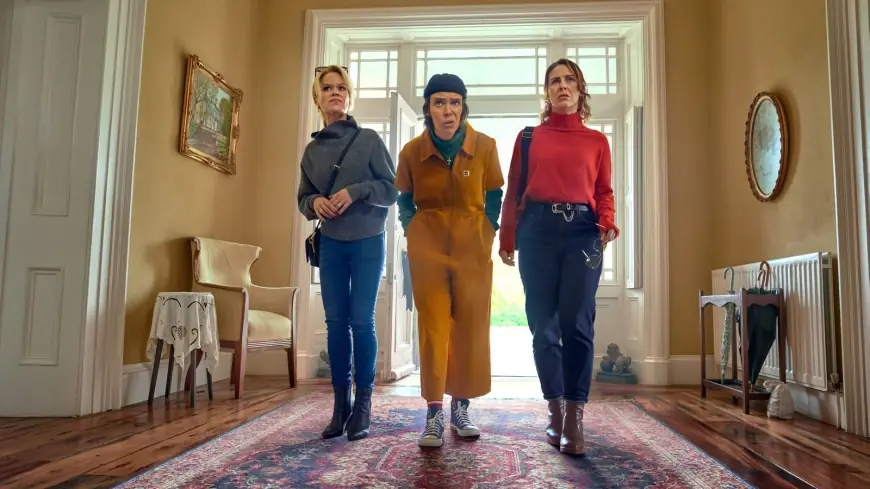
Lisa McGee, creator of a beloved comedy about youth in Northern Ireland, has returned with a darker, yet still uproarious, project. The new series reunites old school friends at a funeral and quickly spirals into a tightly plotted mystery that critics are calling one of the year’s most compelling new offerings. Strong performances, breathless pacing and McGee’s trademark blend of heart and humour make this a rapid must-watch.
Old friends, a secret and a fast-burning mystery
The central trio—Dara, Saoirse and Robyn—reconnect to attend the funeral of their fourth childhood friend, Greta. Flashbacks reveal a traumatic night two decades earlier: a forest shack, a fire, ominous symbols on the wall and a secret that has bound the women together ever since. At the wake, one of them spots something amiss with the body in the coffin, and suspicion replaces resignation.
The series leans hard into the mechanics of a caper: amateur sleuthing, rooftop chases and the slow unspooling of buried truths. It counterbalances that momentum with quieter domestic threads—Robyn’s fraught marriage and parenting pressures, for example—so the mystery always sits alongside believable, lived-in stakes. The plot moves at a brisk clip, rarely pausing for breath, which keeps viewers invested but occasionally hungry for a moment of stillness to let the revelations settle.
McGee’s signature balance of comedy and menace
This show carries unmistakable echoes of the creator’s earlier work: a sharp ear for dialogue, an affection for community dynamics, and a comic sensibility that makes even dark material feel human. McGee has said she grew up loving classic murder-mystery TV and wanted to make a version that felt distinctly female-led and a little messy. That ambition shows in every episode—playful banter and physical comedy sit comfortably alongside hints of occult imagery and genuine danger.
The writer’s background in staging street plays as a youngster seems to inform a love of ensemble energy on screen. That kinetic quality helps the series juggle tonal shifts without losing coherence: characters remain recognisable and emotionally credible even as the story veers into increasingly bizarre territory.
Standout performances and a vivid supporting cast
The three leads deliver sturdy work as friends whose loyalty is tested by fear and old guilt. The late-night flashbacks and present-day interrogations allow the actors to flex both comic timing and dramatic weight. There are also striking turns in the supporting cast: the local police chief and the bereaved mother both radiate menace in ways that raise the stakes for the protagonists and keep the viewer uncertain who can be trusted.
Embedded in the show is a wider exploration of how small-town reputations and long memories shape behavior. Friendship is the engine: teenage allegiances become adult obligations, and what the women did—or didn’t do—in the woods two decades ago continues to dictate their choices. That emotional core elevates the series beyond a mere puzzle box and into something more resonant.
At a time when crime drama can lean toward bleakness or meticulous procedural detail, this new series stakes out a different territory: it wants to be funny, unnerving and thoroughly entertaining all at once. For viewers who want a fast, female-driven mystery with a beating heart and an appetite for chaos, this show is likely to be one of the season’s most talked-about titles. The series is now available to stream on a major service and is already generating strong word-of-mouth for its energy, plotting and performances.