


















Review: the new documentary on tony blair leans into personality and away from detail

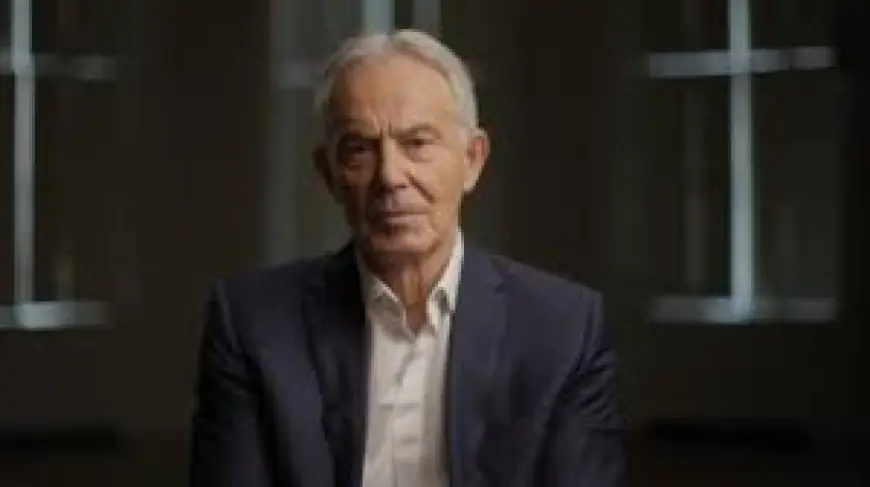
The three-part documentary centred on tony blair pursues a clear line: get close to the man. Extensive interviews with Blair and his family, alongside familiar archival footage and recollections from colleagues and rivals, create a close-up character study. But the film’s emphasis on psychology and personal emotion comes at the expense of the granular reporting that would have interrogated how decisions were made and who benefited from them.
Close-up character study
The programme spends its first hour tracing formative episodes: a privileged schooling that taught toughness, an Oxford in which personal loss sharpened ambition, and the combative climb through the Labour ranks. Intimate family scenes and long interviews allow the viewer to watch the former prime minister switch between practiced affability and moments of visible unease when he believes the cameras are off. Those passages, together with contributions from close allies and occasional critics, are the film’s clearest achievement: they humanise a figure often reduced to a headline.
The filmmaker privileges psychological explanation. Scenes and testimony are organised around questions of temperament and motivation — why Blair pushed forward, how ambition and decency coexisted, and how family dynamics shaped public action. For viewers seeking a study of character, the result is rewarding: the documentary offers texture, anecdote and a portrait of a politician who remains politically and emotionally complex.
What the film leaves untouched
But that intimacy is also the film’s greatest limitation. The programme repeatedly skirts the deeper structures of power: the networks, financial arrangements and strategic alliances that enable political ascendancy. Moments that hint at collective selection — modernising factions within the party, deal-making with influential backroom figures, and the personal rivalries that shaped leadership contests — are mentioned but not traced with the documentary’s evident energy for personality detail.
Similarly, the treatment of more consequential controversies is light on forensic work. The series acknowledges the biggest burdens on Blair’s legacy and gives him space to defend decisions, yet it rarely pushes beyond personal explanation into a dissection of the institutional and geopolitical factors at play. Questions about fundraising, paid work after office and the complex relationship between public duty and private remuneration are raised but not pursued with persistent documentary scrutiny. For a subject whose public life is inseparable from contested policy choices, that restraint feels like an omission.
Legacy, limits and who might watch
The documentary will appeal to viewers curious about the man behind the headlines. It is strongest where it shows, rather than tells, by lingering on unguarded moments and family testimony. Yet for those expecting a rigorous reevaluation of decisions that reshaped foreign policy and domestic political life, the programme underdelivers: its appetite for psychoanalysis leaves structural questions and evidentiary deep-dives by the wayside.
Ultimately, the series positions itself as an intimate portrait rather than an investigative reckoning. That is a defensible choice, but it is not a neutral one: for a politician whose reputation remains heavily contested, a more forensic approach would have offered viewers stronger tools to judge legacy. As it stands, the documentary clarifies how Blair wants to be remembered, but it stops short of fully testing whether the record supports that self-portrait.