




















New Orleans Revels as Parade Season Peaks on fat tuesday

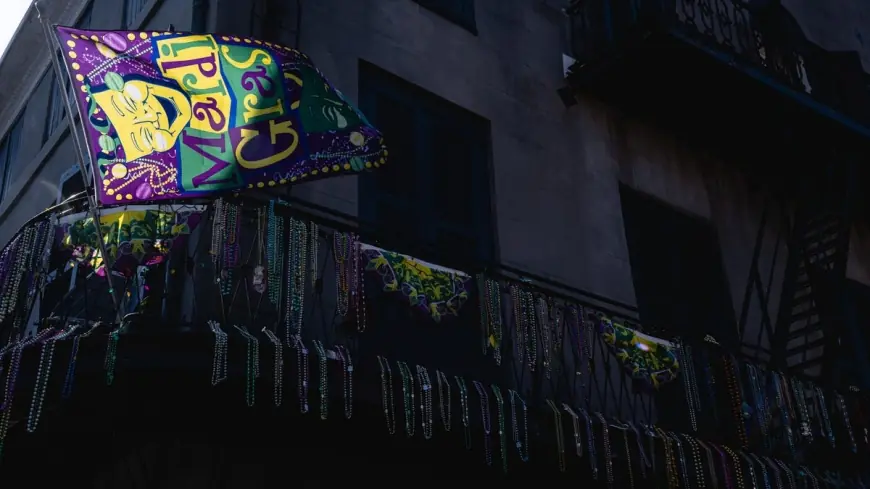
New Orleans erupted in color, music and pageantry Tuesday as Mardi Gras — commonly called Fat Tuesday — delivered its annual finale of Carnival excess. Crowds packed historic parade routes, shouting the familiar plea "Throw me something, Mister, " while marching bands, elaborate floats and feathered costumes filled the streets in a last day of indulgence before Lent begins.
Parades, costumes and coveted throws
Revelers began staking out spots at dawn along St. Charles Avenue and in the French Quarter, hauling chairs, coolers and ladders for better views. Floats rolled by under wrought-iron balconies, and parade-goers sported the purple, green and gold that has come to define the celebration. Some outfits leaned into elaborate, store-bought sequins; others celebrated homemade creativity with beaded masks and handcrafted headpieces.
Each krewe carries its own cache of "throws" — plastic beads, doubloons, cups, stuffed animals and candy — tossed to the throng. One of the most coveted items remained the hand-decorated coconut from a storied parade, its gold-glittered husk eliciting cheers when it hit a spectator’s hands. A man costumed as a crawfish waved that coconut triumphantly, emblematic of the day’s playful spirit.
Traditional elements were on display across the city: from marching bands setting a syncopated tempo to Black masking traditions and feathered headdresses that trace back through generations. For many longtime residents, the day is about ritual as much as revelry — walking through the French Quarter, admiring costumes and reconnecting with friends and family.
From feasting to faith: the calendar and customs
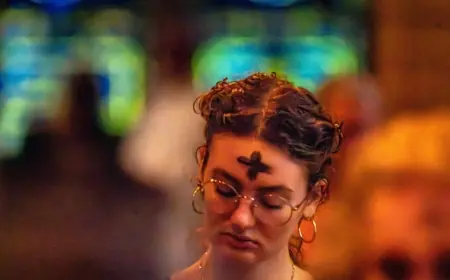
Fat Tuesday serves as the climax and close of the weeks-long Carnival season, a last opportunity for feasting before the Christian season of Lent. Lent begins on Ash Wednesday, Feb. 18, 2026 (ET), and traditionally marks 40 days of fasting, reflection and penance leading up to Easter. In 2026, Easter falls on April 5.
The day has deep cultural variations beyond the city parades. Rural Louisiana hosts the Courir de Mardi Gras, a Cajun tradition where costumed participants go house to house begging for ingredients and pursuing live fowl to create a communal gumbo. Elsewhere along the Gulf Coast and around the world, communities mark the day with local twists — pancake races in some towns and large street parades in others — all sharing the theme of indulgence before the Lenten fast.
Incidents and the wider mood of celebration
Alongside jubilant scenes, a handful of notable incidents drew attention as the city managed large crowds and nonstop activity. A viral video highlighted a high-profile arrest that occurred amid the festivities, underscoring how public celebrations can tip into law-enforcement moments when tempers flare or rules are broken. Authorities and event organizers emphasized crowd safety and the importance of looking out for one another during the intense, crowded hours.
For many attendees, the day’s message remained simple: celebrate now, reflect later. "The world will be here tomorrow, but today is a day off and a time to party, " one longtime reveler said, summing up the impulse that brings people back year after year. Whether drawn by the spectacle of floats and throws, the lure of elaborate costume-making, or longstanding family tradition, thousands made Fat Tuesday a vivid farewell to Carnival and a boisterous prelude to the quieter season to come.