
























isabeau levito, Glenn and Liu Deliver for Team USA’s 'Blade Angels' in Milan Short Program

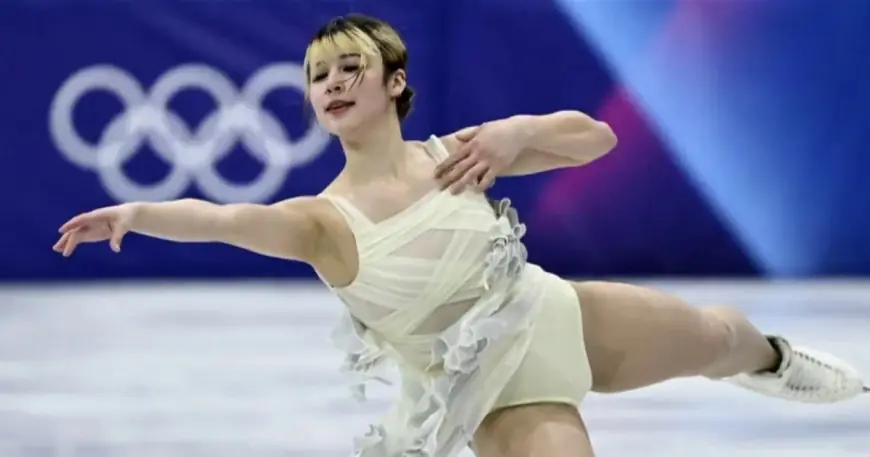
On Feb. 17, 2026 (ET), Team USA’s women’s figure skating trio — isabeau levito, Amber Glenn and Alysa Liu — took to the ice for the Olympic short program, reaffirming the tight-knit unit’s "Blade Angels" identity with composed, athletic performances. The session highlighted both the depth of the U. S. women’s squad and the emotional toll the Games are taking on competitors across the field.
Blade Angels bring poise, power to Olympic short program
The three American women skaters presented contrasting styles but a shared competitive spine in the short program. isabeau levito combined clean technical content with expressive movement, landing key elements with the kind of controlled power that has become her trademark. Alysa Liu leaned into her jump difficulty, showcasing speed and height that drew crowd reaction, while Amber Glenn emphasized musicality and crisp edge work that balanced the group’s overall presentation.
The performances furthered an emerging narrative around the U. S. trio: while each skater brings different strengths, they have become known for skating with a cohesive sense of purpose and mutual support. That identity matters in a condensed Olympic schedule, where mental steadiness can be as decisive as physical readiness. Judges rewarded the skaters for execution and performance quality, and observers left the arena noting the Americans’ readiness to contend for podium positions in the longer free skate.
Beyond the elements themselves, the short program underscored how Olympic competition compresses stories into single moments. For isabeau levito and her teammates, the early impression was one of maturity under pressure — the kind of showings that can carry athletes through the emotional volatility of the following days.
Men’s field: pressure, disappointment and perspective
The men’s event on the same day reminded viewers that the Olympic stage tests more than physical skill. Ilia Malinin, a favorite in many eyes, finished in eighth place and publicly grappled with the weight of expectation. He spoke about how pressure at the Games affected his performance and expressed clear disappointment with the result.
Malinin’s reaction illustrated a broader theme at these Olympics: elite athletes must navigate public expectation while managing the private realities of performance. Finishing outside the podium mix does not erase prior accomplishments, but it does prompt reflection on preparation, mindset and the unforgiving margins of elite sport. For many competitors, including those who medaled and those who fell short, the coming days will be a chance to process outcomes and decide how the experience will shape future plans.
What comes next for Team USA skaters
Looking ahead, the focus for isabeau levito, Glenn and Liu shifts to recovery, adjustment and the free skate, where points are abundant and opportunities for movement in the standings multiply. Coaches and athletes will analyze technical calls, component scores and performance nuances to determine where upgrades or strategic tweaks are warranted. The short program put the U. S. women in a strong position, but the free skate will determine whether that early promise converts into Olympic hardware.
For the broader U. S. team, the day’s results are a reminder of both potential and fragility at the highest level of competition. As the Olympic schedule unfolds, athletes, coaches and fans will watch closely to see which competitors can translate short-term momentum into lasting success.