



















look mum no computer picked to represent UK at Eurovision 2026 in Vienna

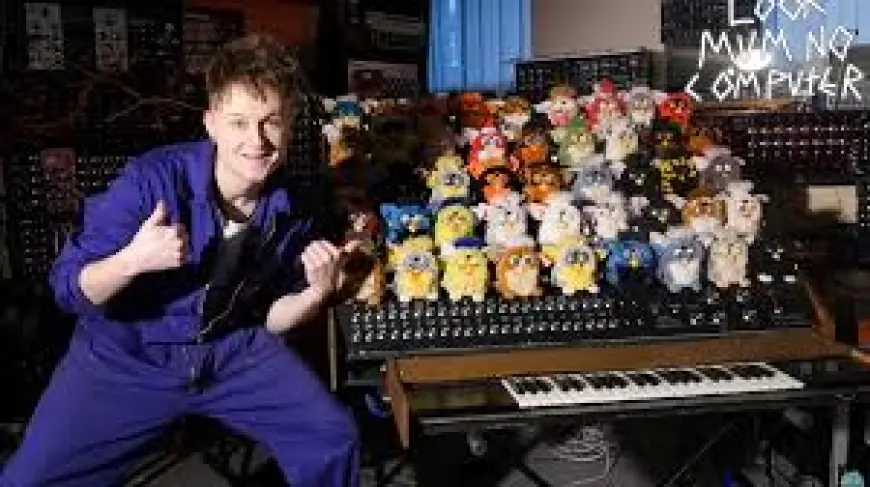
The UK has selected electronic artist and inventor Look Mum No Computer as its entry for the Eurovision Song Contest in Vienna in May 2026. The Kent-based performer and content creator is known for building unconventional instruments, a museum of obsolete tech, and a Guinness World Record for the world’s largest drone synthesizer. The choice signals a clear embrace of experimental performance for the international stage.
An inventor turned performer
Look Mum No Computer is the performing name of Sam Battle, an artist who first emerged as the frontman of indie outfit Zibra and later pivoted to solo work under his current alias. He has built a reputation for combining musical craft with DIY electronics: organs made from Furby toys, Game Boys repurposed into pipe-organ voices, bespoke synthesiser bicycles and even flame-producing keyboards have featured in his catalogue of creations. His hands-on approach extends beyond the stage — he runs a small museum dedicated to experimental and obsolete musical technology, where a century-old church organ has been coaxed into life a programmed vintage Game Boy.
As a content creator he has amassed a significant following across social channels, documenting the design and construction of his instruments alongside performances and studio recordings. That hybrid profile — musician, inventor and online curator — underpins his appeal as a non-traditional candidate for a mainstream song contest.
A deliberate, risk-taking selection
The national selection for the contest was made internally by the broadcaster, who highlighted the artist’s “bold vision” and “unique sound” as key reasons for the appointment. Sam Battle has described the opportunity as “completely bonkers” and said he is taking the role seriously, promising to bring his full creative energy to rehearsals and performance plans.
The choice follows a period of experimentation by the UK delegation, and comes amid a wider field of unconventional entries across Europe this year. The contest has also been affected by geopolitical tensions and boycotts from a number of countries, while television audiences have declined in recent years, factors that have prompted some delegations to rethink strategy. For the UK, which has finished in the top 10 only rarely in the last decade, the selection signals a willingness to gamble on originality rather than replicate past formulas.
Industry figures involved in the decision argue that a distinctive act with memorable staging could cut through a crowded, eccentric field. The artist’s team has not yet released the song that will be performed in Vienna, leaving fans and bookmakers waiting to see whether the entry will lean toward experimental electronic soundscapes, pop hooks delivered custom-built instruments, or a hybrid of both.
What to expect in Vienna
Based on the artist’s past work, the Eurovision performance is likely to foreground inventive sonic design and tactile electronics. Observers anticipate a visually striking set-up that showcases at least some of the quirky devices the artist is known for — whether that be pixelated Game Boy tones, bespoke organ sounds, or dramatic, machine-driven effects. The Guinness World Record for a drone synthesizer points to a willingness to scale concepts up for spectacle, and the museum background suggests a deep archive of oddities to draw on for stagecraft.
With the song yet to be revealed, the contest will offer the first public test of how a DIY electronic inventor’s aesthetic translates to a live, pan-European audience. Supporters see the pick as a refreshing, risk-taking move that could reinvigorate interest in the UK entry; skeptics will watch to see whether novelty and invention can be moulded into a point-scoring performance when viewers cast their votes in May 2026.
Either way, the appointment guarantees that the UK’s contribution to this year’s contest will be talked about long before rehearsals begin in Vienna.