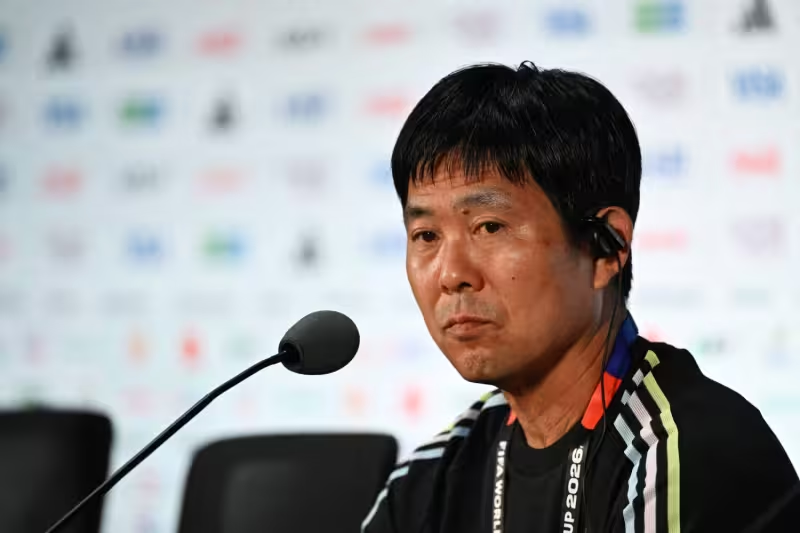
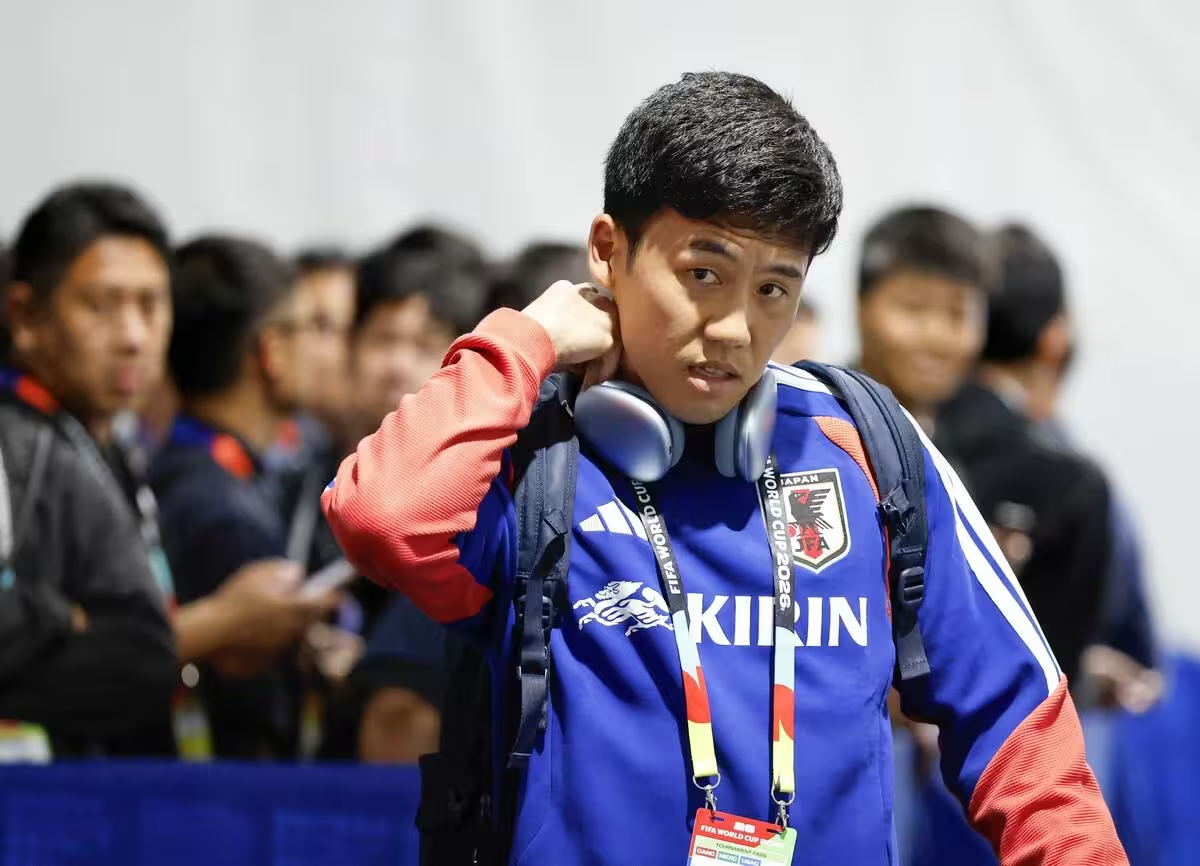
Japan’s captain Wataru Endo withdrew from the World Cup after suffering an ankle injury, and two days later coach Hajime Moriyasu told reporters that he took responsibility for the decision.
Endo — identified as the national team captain — announced his retirement from international competition after the withdrawal, removing a senior leader from Japan’s tournament roster and leaving the squad without its chosen on-field commander.

The timeline is compact: Endo withdrew because of the ankle injury two days before Moriyasu’s media remarks, and on Saturday the coach, speaking through an interpreter, said plainly that “it was ultimately his responsibility.”
The immediate consequence is both practical and symbolic. Practically, Japan must proceed in the World Cup without the player it had listed as captain; symbolically, the coach has stepped into the public line of accountability for a choice that cost the team its established leader. Endo’s subsequent announcement that he is retiring from international football adds an extra layer — the squad’s loss is not temporary but potentially permanent.
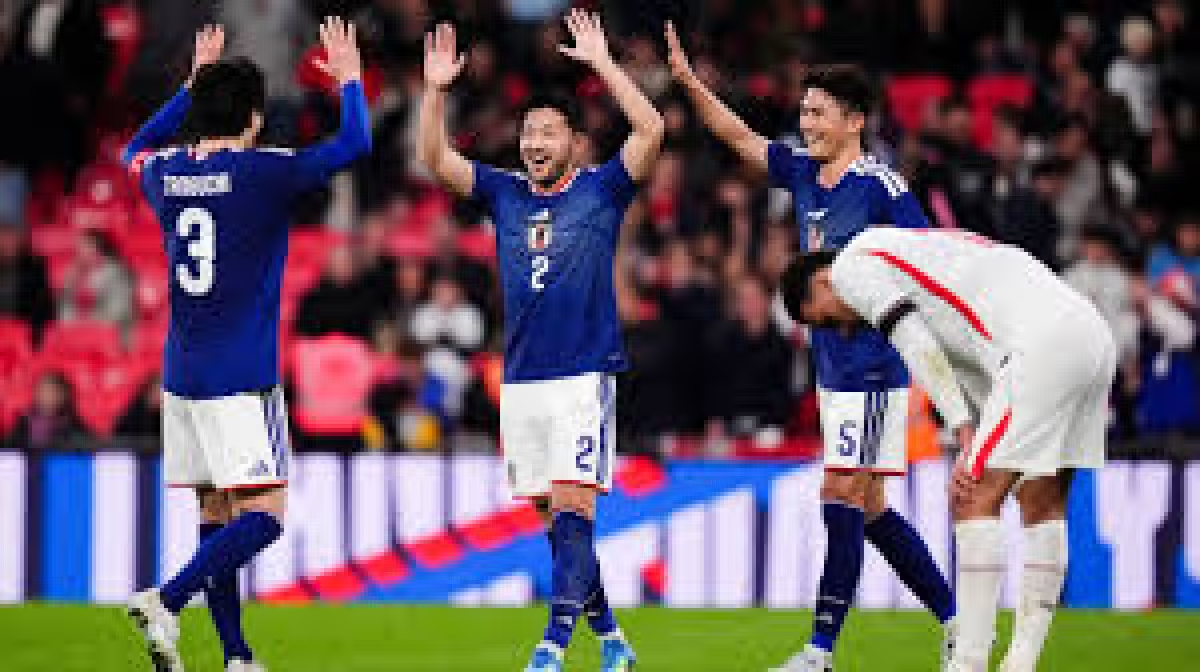
Moriyasu’s brief statement left a clear public ledger: he accepted responsibility. It did not, however, explain the decision process behind the withdrawal — whether medical staff, the player himself, or the coach initiated the move, or how assessments of the ankle injury factored into the timing and the choice to remove Endo from the roster.
That gap is the story’s tension. The sequence of events is known — injury, withdrawal, retirement, coach’s acceptance of responsibility — but the record does not show who made the decisive calls or what information shaped them. For fans and analysts the missing detail is not a matter of semantics; it goes to how Japan manages player welfare, selection authority and crisis communication at the highest level of competition.
The withdrawal and Moriyasu’s comment change the immediate public narrative. A coach accepting responsibility after a captain withdraws is an unusual, disciplinary-style admission in national-team coverage; it shifts scrutiny from the athlete’s fitness to the federation’s decision-making. Yet without further disclosure from team doctors or the coaching staff, the practical follow-up — who will fill the tactical and leadership void, and whether Endo’s retirement will be revisited — remains unsettled.
FilmoGaz has related coverage of the broader squad moves and captaincy change here:
The single, consequential unanswered question now: who made the specific call to withdraw Wataru Endo from the World Cup roster, and how will Japan replace both his on-field role and the leadership he leaves behind?