Katy Perry headlined the World Cup 2026 FIFA U.S. opening ceremony at Inglewood’s Los Angeles Stadium on Friday night, June 12, performing her 2024 song "Wonder" alongside 10-year-old Norwegian singer Tius Luka before the United States opened the tournament with a 4-1 victory over Paraguay.
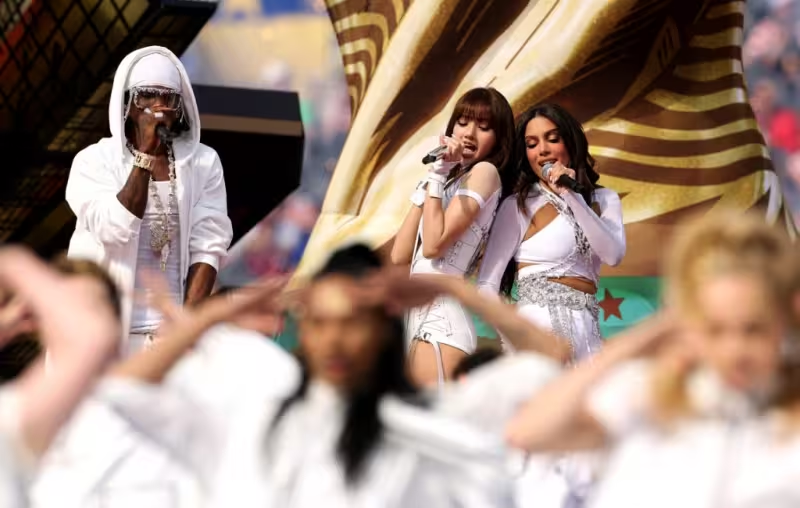
The on-field show was stacked: Future and Tyla opened the entertainment 90 minutes before kick-off with the World Cup track "Game Time," while LISA, Anitta and Rema delivered the album cut "Goals." Purahei Soul sang Paraguay’s national anthem and Dan + Shay performed "The Star-Spangled Banner" ahead of the match itself. David Beckham, watching in the crowd, called it an "Amazing way to kick off the World Cup in the US." Tom Cruise was also shown in the stands, waving alongside Beckham during the game.

Those elements — a headline pop act, a multi-artist World Cup album, national anthems and celebrity sightlines — became the defining evidence of how the United States framed its kickoff night: an entertainment-first presentation designed to land before millions in-stadium and watching worldwide, then hand the stage to the U.S. Men’s National Team, which responded on the field with a convincing 4-1 win over Paraguay.
Two details underline the scale and planning: Perry’s duet with a 10-year-old for a new song gave the ceremony a family-oriented centerpiece, and the timed rollout beginning 90 minutes before kick-off kept the crowd in the stadium through the pregame spectacle. The U.S. ceremony also served as the final event in a three-city series of opening ceremonies for the tournament — joining Mexico City and Toronto in a coordinated international launch that spread performances and attention across North America.
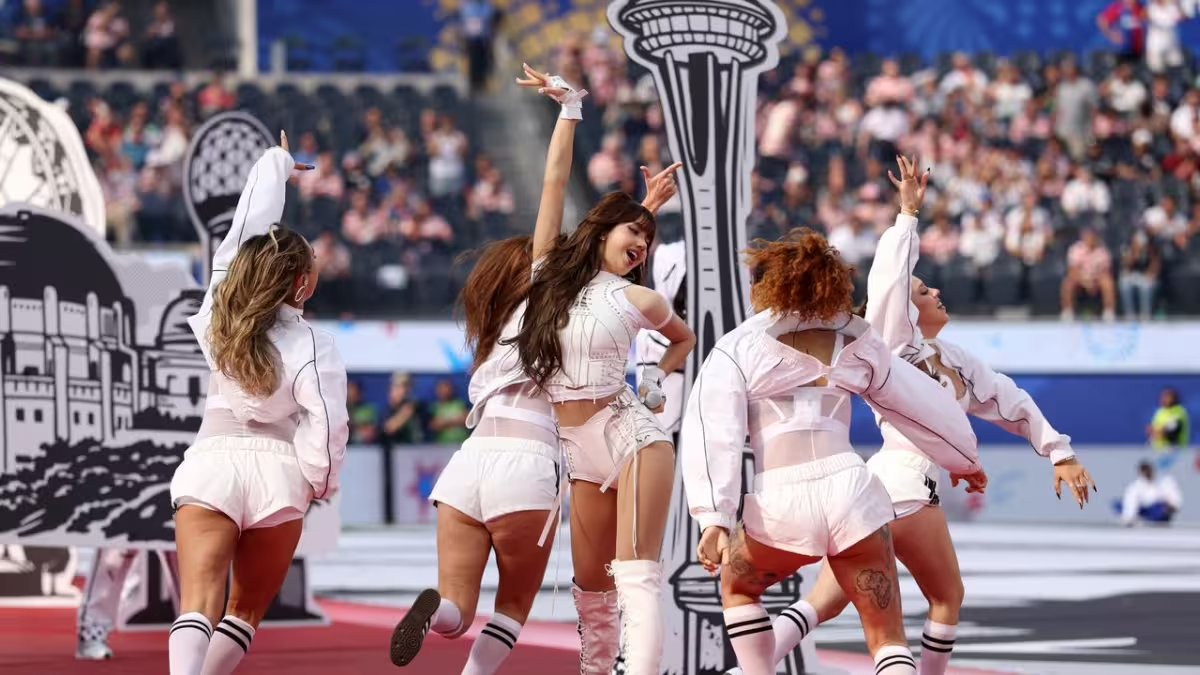
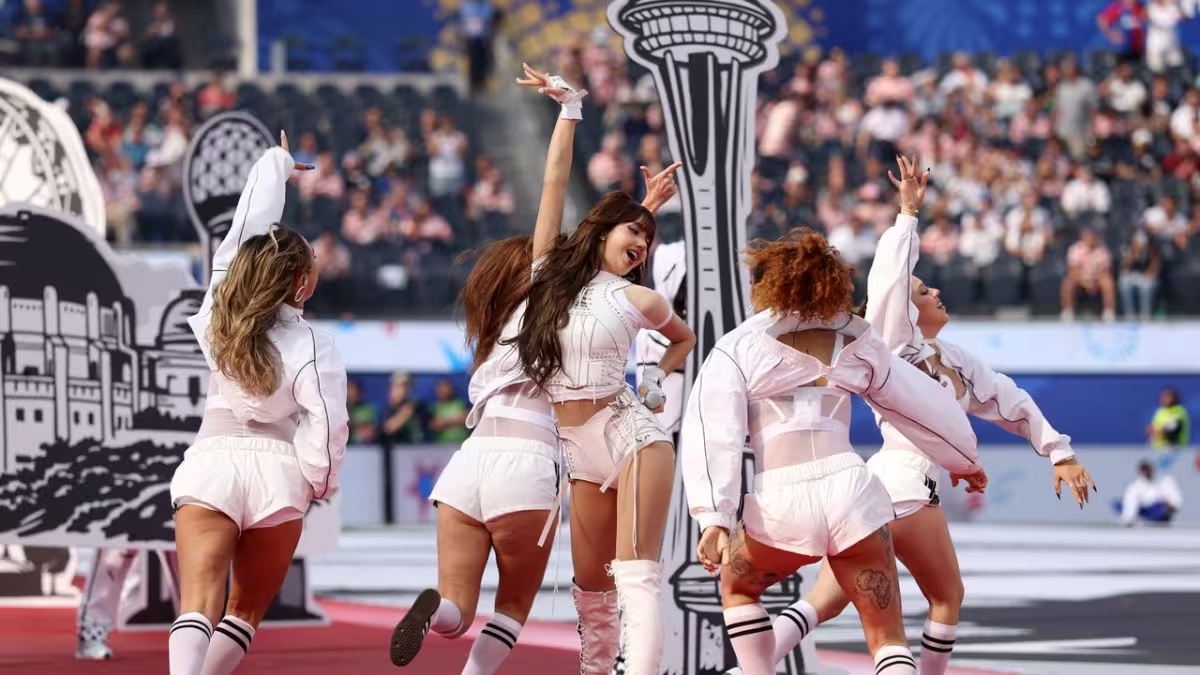
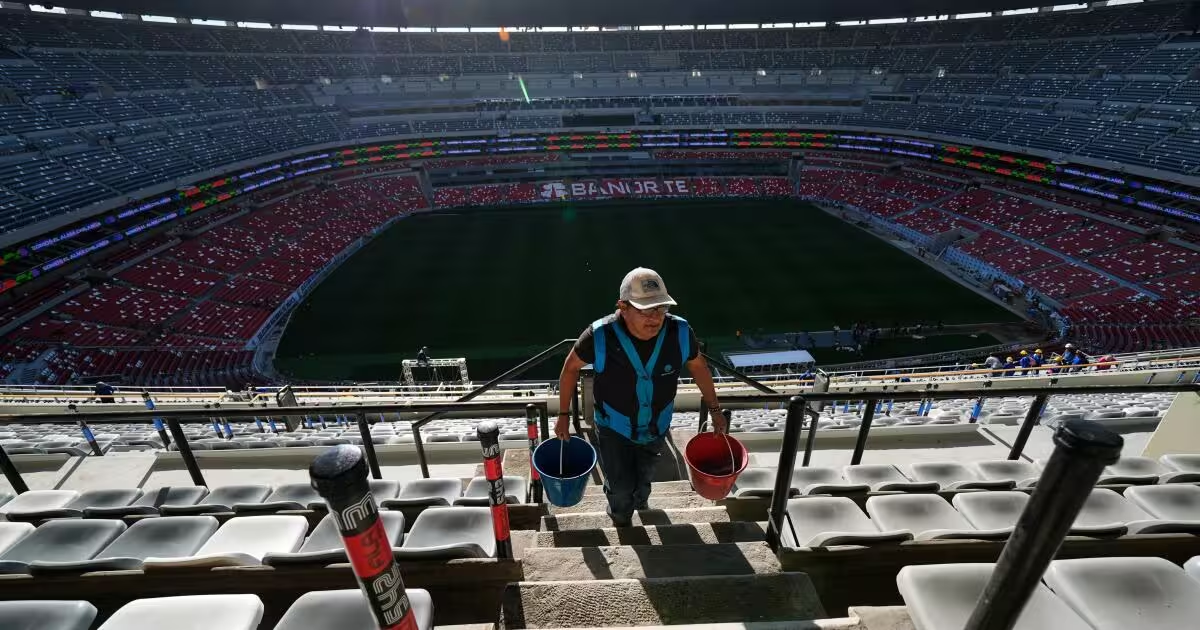
That three-city strategy is the story’s friction point. Staging opening-night celebrations in Mexico City, Toronto and Los Angeles meant the Inglewood show was both a headline moment and one of several premieres, diluting the idea of a single global opener and complicating measures of success: is the ceremony judged by stadium atmosphere, television reach, chart impact for the World Cup tracks, or social-media moments like Perry’s live debut with Tius Luka?
The rollout also exposed gaps in the public record. Organizers confirmed performers and the order of events, and the match result is clear, but attendance figures for the Los Angeles Stadium ceremony and a full accounting of celebrities on hand beyond Beckham and Cruise have not been published — an omission that matters for sponsors and cultural critics measuring the tournament’s U.S. launch.
Context matters: the multi-city approach mirrors the tournament itself, which spans three host nations, and it sets different expectations for how a World Cup should open in an era when live spectacles are measured as much by streaming clips and playlist placements as by what happens on the pitch. Shakira is already booked to headline the World Cup Final halftime show with BTS and Madonna, keeping the tournament’s entertainment narrative active as matches proceed.
Practically, the immediate consequence is sport-first: the U.S. now turns its attention to Australia on June 19. The larger consequence is unresolved — how organizers, broadcasters and the market will evaluate a dispersed opening-night strategy once attendance snapshots, ratings and sponsorship tallies arrive. Those numbers will decide whether a three-city rollout was an expansive success or a fragmenting experiment that left the biggest questions unanswered.