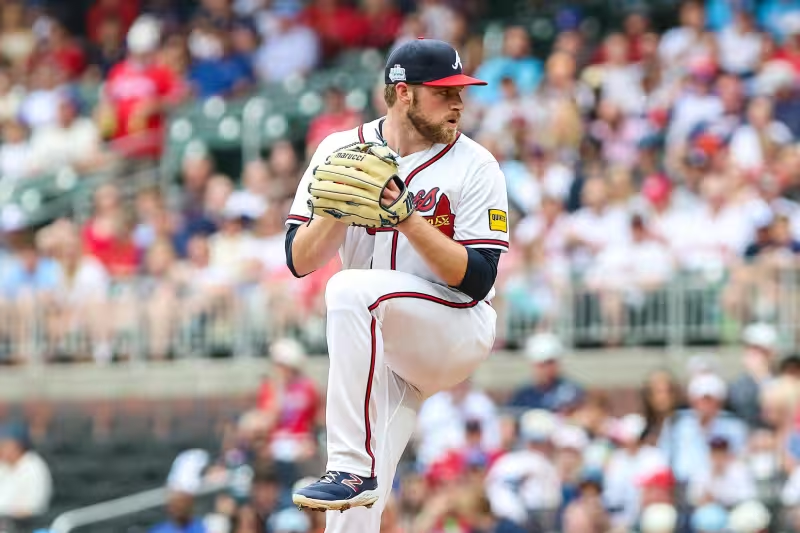
Bryce Elder is scheduled to take the mound for the Atlanta Braves in the series finale against the New York Mets on Saturday, June 14 at 1:40 p.m. EDT at Citi Field.
Elder arrives with tangible momentum: his last outing lasted six innings, yielded two hits and two earned runs, and produced four strikeouts. That performance helps explain the club’s decision to hand him the ball to close out the series and try to halt a skid against the Mets.

The numbers make the matchup concrete. Elder carries a 2.66 ERA into the game, a mark the Braves will point to as they try to blunt a Mets lineup that, by recent results, has continued to find ways to score late in the series. For comparison, fellow starter Freddy Peralta is listed with a 4.04 ERA, underscoring why Atlanta needs its more consistent arms on short rest or in higher-leverage assignments.
Context tightens the stakes. The Braves’ rotation is operating under added pressure because of injuries, forcing manager and staff to weigh matchups and workloads carefully across the two- and three-day windows between starts. With those limitations, the club has been discussing lineups and emphasizing the need to get Ronald Acuna and Drake Baldwin back into the mix as soon as they can be trusted to help.

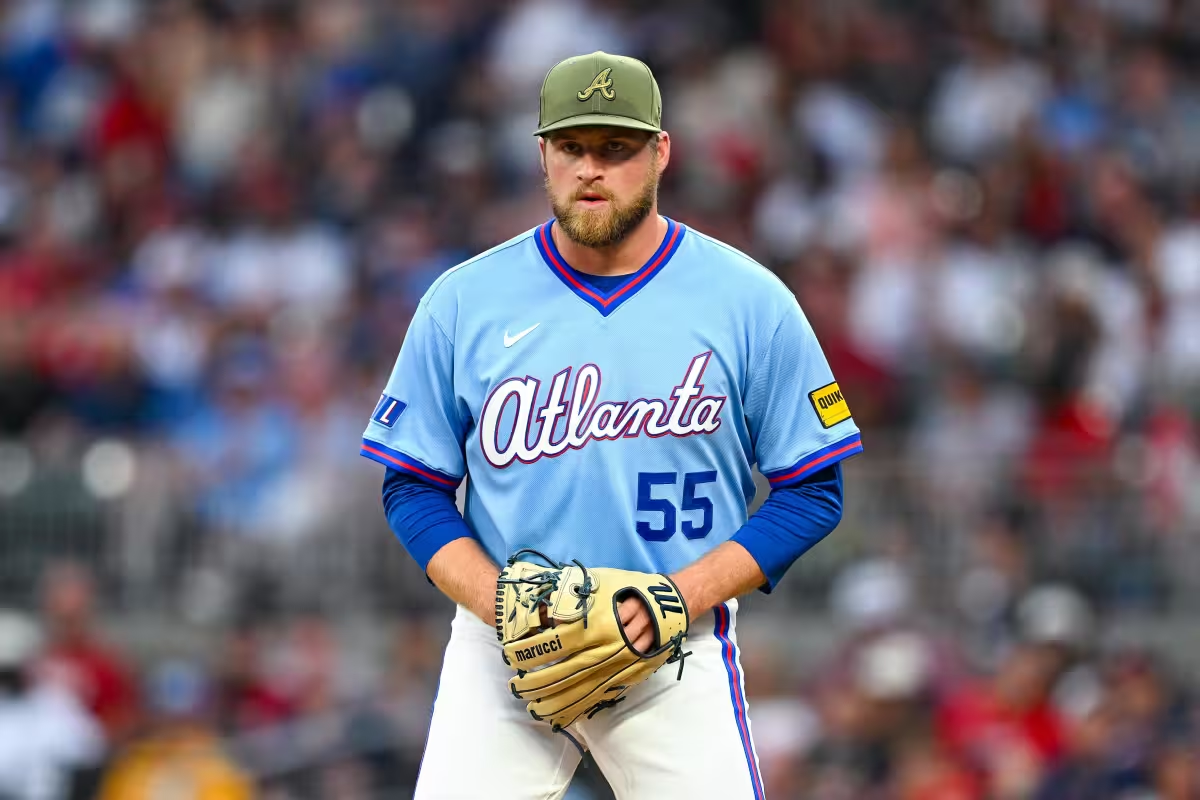

That friction — a still-healthy-looking starter schedule strained by absences — is what gives Saturday’s game weight beyond a single afternoon. If Elder can reproduce the six-inning outing he delivered last time, Atlanta buys rest and flexibility; if not, the rotation’s thinness becomes a tactical problem for the remainder of the road trip and the coming weeks.
Practical detail for fans: first pitch is set for 1:40 p.m. EDT at Citi Field. The Braves have chosen Elder as the on-paper solution to a short-term problem, and he is the pitcher most likely to determine whether Atlanta escapes Queens with a morale-boosting win or leaves with the skid intact.
What to watch when the game begins: Elder’s ability to carry his fastball-command and limit baserunners through the sixth inning, and whether the Mets can manufacture runs against a starter whose last line read six innings, two hits, two earned runs and four strikeouts. The matchup will also reveal how much trust Atlanta’s staff places in depth pieces versus returning regulars like the club’s sidelined position players.
The unanswered question is straightforward and consequential: can Elder and a rotation under strain stop the Mets long enough for the Braves’ lineup to turn the series-ending game into a win? The answer comes at 1:40 p.m. EDT on Saturday at Citi Field, when the Braves test whether the short-term pitching strategy will hold under real-game pressure.