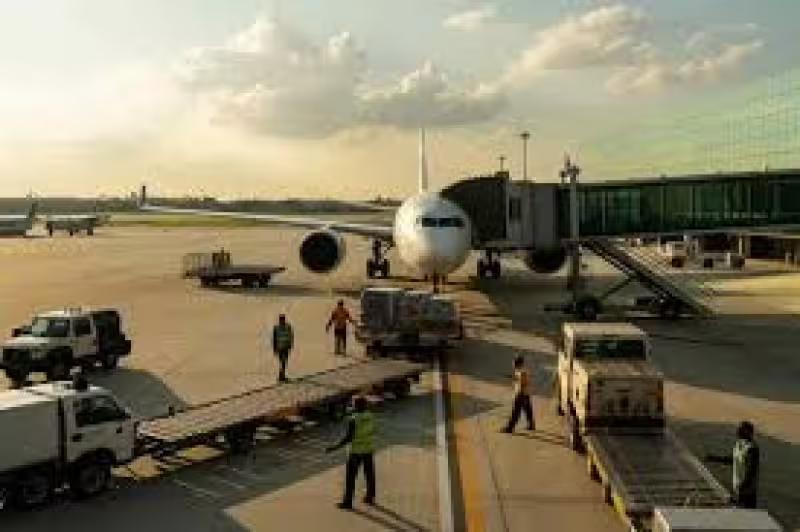
The Aviation Ground Handlers Association of Nigeria lifted its handling suspension on Max Air on Friday after the airline entered negotiations with handler members and paid what AGHAN described as a substantial amount toward outstanding debts.
The move restores ground services that had been withheld earlier in the week and follows a joint statement signed by Olaniyi Adigun and other association officials. AGHAN said the suspension was removed because talks were underway and a meaningful payment had been made toward the airline’s arrears.

Handlers framed the reversal as narrowly practical: the association said it acted once Max Air commenced negotiations and made the partial payment, but it stressed that the operating environment remains difficult for handler firms who purchase equipment, upgrade facilities and source foreign exchange to run operations.
AGHAN warned the situation is not resolved. The association said airline debts to ground handlers have continued to rise despite repeated attempts to recover payments and that prolonged financial pressure on handlers could begin to affect service delivery, safety and staff welfare if left unchecked.
The decision to lift the ban came amid short-term concern that withholding handling services could ripple into wider disruption — even stoking fears of an effective airline shutdown at affected airports — before talks produced a partial settlement. AGHAN said its action was intended to protect the ecosystem that keeps airports running, noting that ground handlers are integral to aviation safety and seamless operations.
The association also made clear it will continue to press debtor airlines. While it accepted Max Air’s engagement and partial repayment as grounds to resume service, AGHAN said it would not relent in ensuring members are paid in full and on time, signalling readiness to reimpose measures if negotiations stall or payments stop.
What remains unclear is the size of the original debt and how much still needs to be cleared: AGHAN described the amount paid as substantial but did not disclose figures, and the association reiterated that further negotiations and repayments are ongoing. The next step is continuation of those talks and monitoring of subsequent payments — the outcome will determine whether the temporary reprieve becomes a lasting fix or a prelude to fresh enforcement action.