



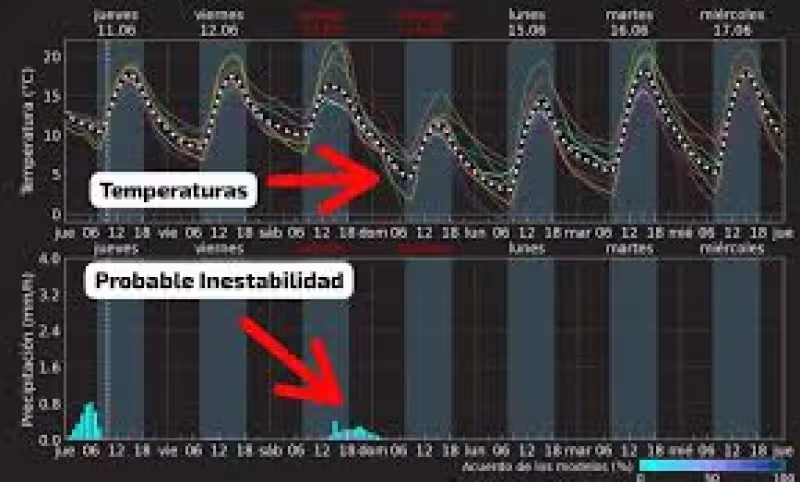
An intense front of polar air will begin affecting Argentina in the next few hours, with eight provinces first in line for rain, snow, wind and falling temperatures. Catamarca, Chubut, Mendoza, Misiones, Neuquén, Río Negro, Santa Cruz and Tucumán already have alerts in place as the weather change moves in.
The Servicio Meteorológico Nacional is using yellow and orange alerts for different parts of the country, and the warning is not limited to one kind of hazard. Catamarca is under a yellow alert for rain, while Tucumán has persistent precipitation that could cause problems in mountain areas and vulnerable zones. In the south, Chubut, Neuquén, Río Negro and Santa Cruz remain under alert for strong winds and snow, and winds there could reach between 40 and 60 kilometers per hour, with gusts in some areas above 90 km/h. Mendoza is expected to see moderate to strong snowfall in the cordillera, with accumulations of 10 to 30 centimeters in high areas.


The yellow alert level is meant for meteorological phenomena that can disrupt daily activities or cause problems, and this system is now covering a wide stretch of the country at once. That is what makes the coming ola de frío notable: it is arriving through a mix of rain, snow and wind, not as a single isolated event. Publicly, the phrase bomba antártica has been used to describe the incoming cold, but it is not official SMN terminology. The agency uses it only as a way to describe an air mass of Antarctic origin capable of producing a marked drop in temperatures.
Behind those first effects, specialists expect a colder air mass to keep advancing and push temperatures down across much of the country. The fall should bring conditions closer to those typical of the astronomical winter, which begins in the coming weeks. The open question is not whether the cold will spread, but how sharply each province will feel it once the front passes through.



