



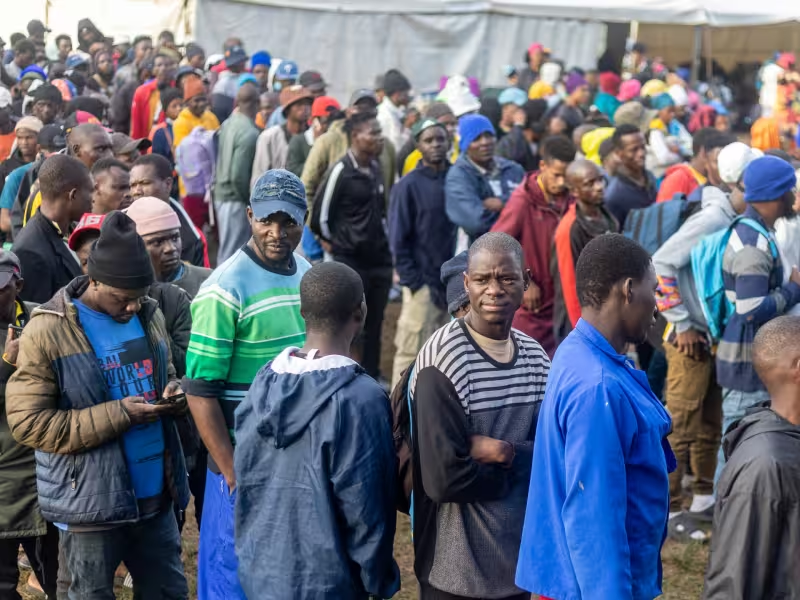
Nigeria flew 268 of its citizens out of Johannesburg on Thursday, landing the evacuation flight in Lagos as anti-migrant unrest in South Africa escalated.
The repatriation followed growing attacks during protest marches and a swell of anti-migrant sentiment linked to unemployment above 30 percent. Nigeria’s consulate in South Africa said roughly 1,000 nationals had registered for help leaving, and more returns are planned.

Returnees were given more than 100,000 naira in financial assistance and mobile phone credit on arrival—roughly $73 or £55—and Nigeria’s emergency management agency will move them on to destinations across the country’s 36 states, officials said.
Authorities in Nigeria said a second group would be flown out on June 15, leaving an immediate question about pace and scale: with about 1,000 people registered and only 268 carried so far, how quickly will the government process and fly the remainder before a June 30 deadline some campaigners set for undocumented migrants?
Across recent weeks several neighbouring countries moved their citizens out of South Africa. Ghana, Zimbabwe and Malawi have already carried out evacuations this month, and hundreds from other nations were repatriated as protests and attacks spread through major cities.


The people leaving described a mix of fear and coercion. One returnee, who identified himself as Justin, said he had lived in South Africa since 1998 but felt forced to go because of the pressure on migrants and threats he said amounted to violence. He said he had been attacked in a taxi, had to run away and left his belongings behind, and that, when migrants begged for mercy, they were met with insults and orders to leave by June 30.
Chinwe Osuala, who returned after earlier waves of violence, said she had been attacked at her business premises and that she decided to come home mainly because her children were frightened. She told officials the police helped when she called, and she publicly insisted that not all South Africans are xenophobic—she spoke of people who cared for her deeply even as others turned violent.
The contrast Osuala described captures the strain inside communities: targeted attacks and routinized threats on one hand, personal friendships and interventions by local police on the other. That friction complicates any tidy explanation for departures and underlines why many migrants are choosing to leave now rather than wait.
Operationally, Lagos officials say the emergency management agency will sort returnees by state and arrange onward transport to their home towns, a logistics task made larger by the wide geographic spread of Nigeria’s 36 states and by the roughly 1,000 who have asked for help so far.
For Nigerians arriving home, the immediate relief package and telephone credit cover first steps, but there are practical strains ahead: reunifying families dispersed across provinces, finding work in local economies, and processing the remaining requests within days of a campaigners’ June 30 deadline that many in South Africa have cited as a cut-off for undocumented residents.
With a second flight scheduled for June 15, the remaining registered returnees will watch whether Nigeria ramps up capacity quickly enough to meet demand. The unresolved question now is not whether more nationals will be flown home—that appears certain—but how many, how fast and on what timetable the government will meet the roughly 1,000 requests it has already logged.



