



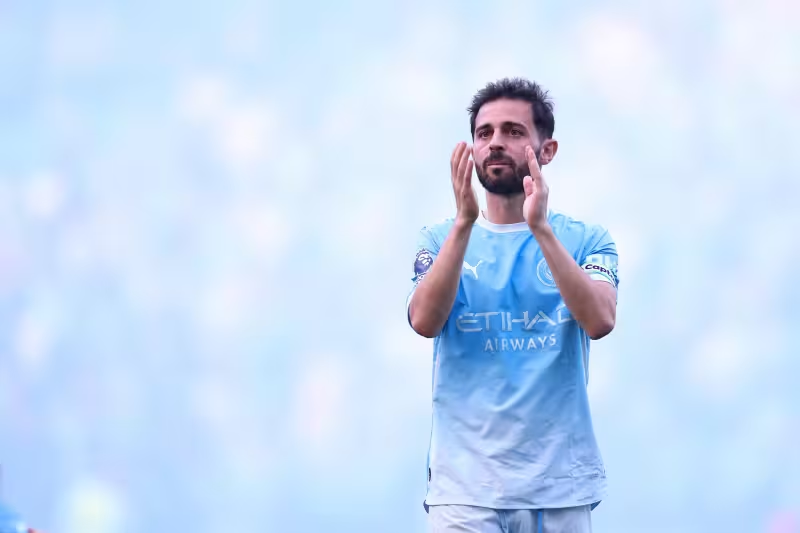
Bernardo Silva is in North America preparing for the World Cup and, in public, has left the door open for a move: “I will go where I’m truly wanted,” he said recently, a line that now carries Madrid weight after José Mourinho pushed the club to make Silva a transfer priority.
The practical case for Madrid is immediate. Silva has spent nine seasons at Manchester City and, with his contract situation shifting, Jorge Mendes approached Real Madrid with two packages two months ago — Silva and Mourinho together. Real initially shelved the talks amid uncertainty over the club’s direction, but the board’s decision to bring Mourinho back in early May changed the calculus. After the election victory, Florentino Pérez and the hierarchy began acting on Mourinho’s requests, and Mourinho repeatedly urged the club to mount a serious effort to sign Silva.

That intervention is what moved Silva off other paths. At one point Barcelona and Atlético Madrid were the frontrunners for his signature, and Silva had been linked widely with a Catalan return. Those options were put on pause, the player choosing to hold other discussions once Mourinho’s arrival at the Santiago Bernabéu became certain.
Reports from Managing Madrid say Silva is a free agent and close to signing with Real Madrid, though both sides intend to wait until the end of the FIFA World Cup to complete any deal. The same reporting suggests a two-year contract could be the compromise both parties prefer — short enough to reduce long-term risk for the club, long enough to give Silva a clear role as he approaches 32 years old.
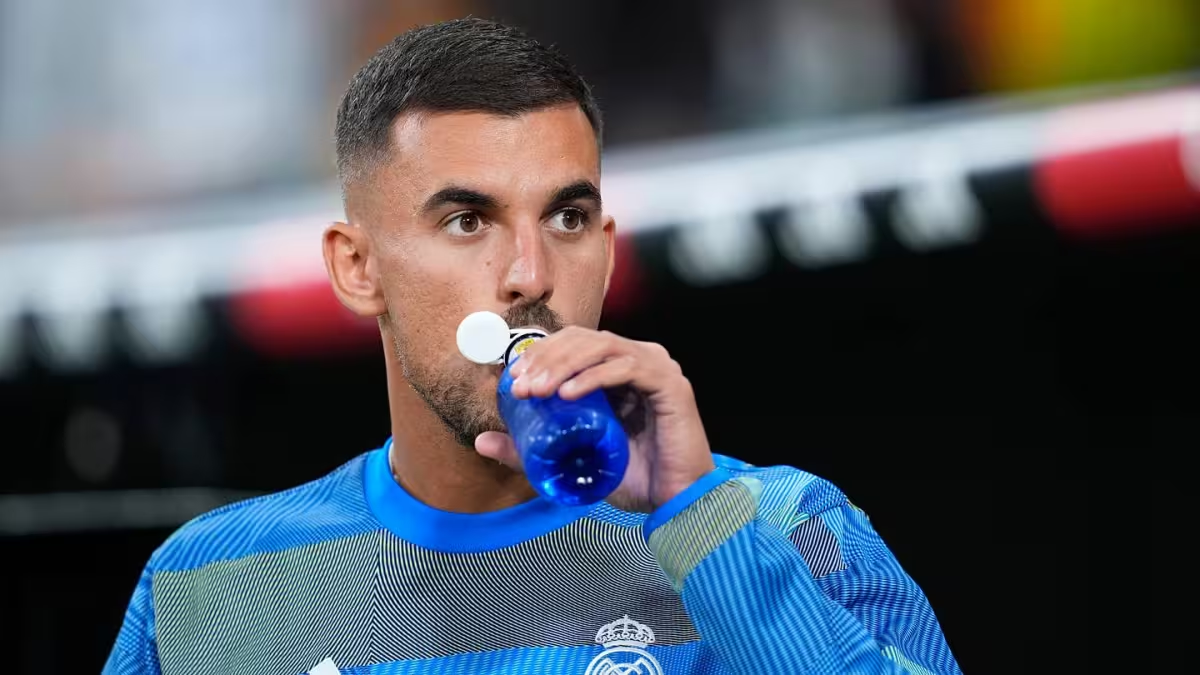
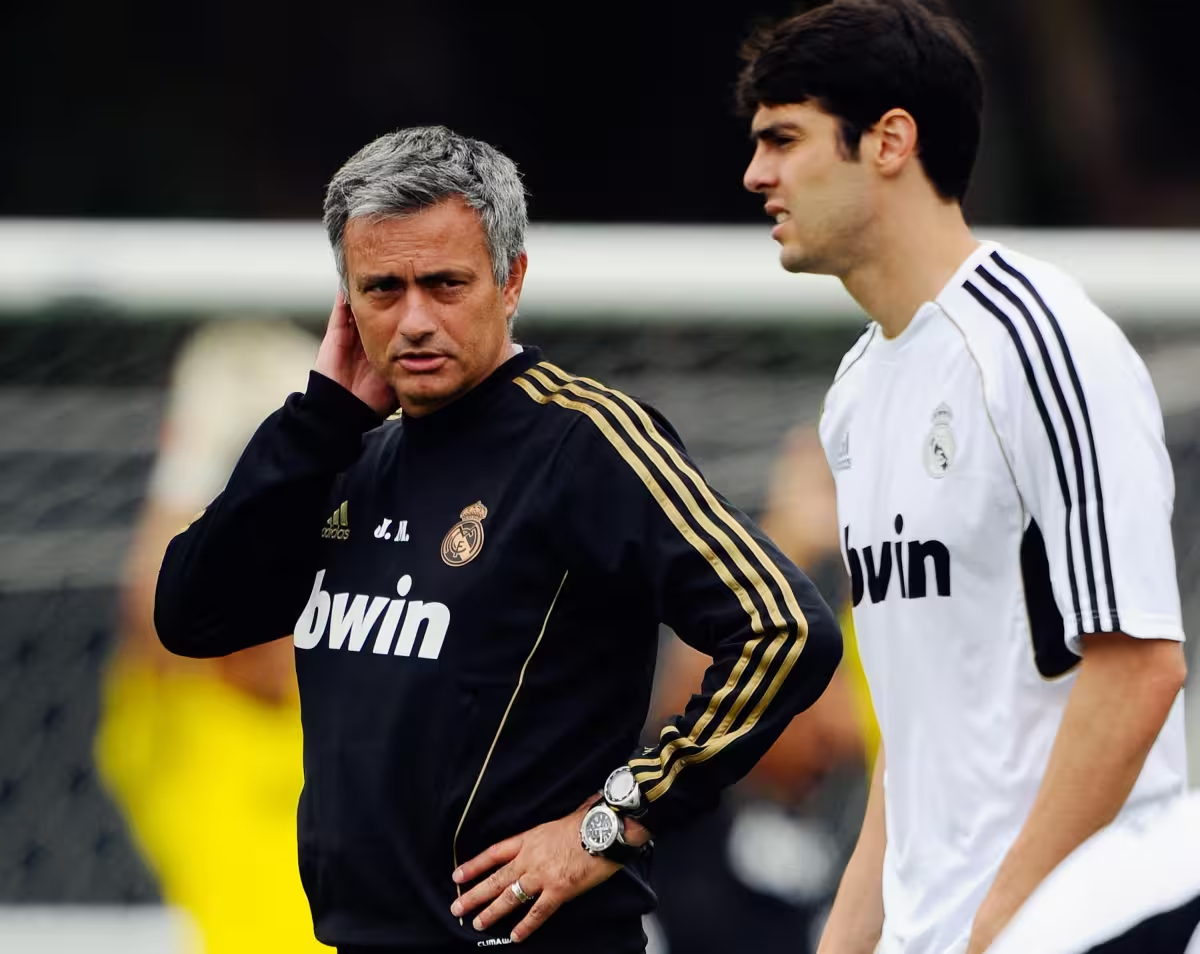
Club officials see a particular profile in Silva: a midfielder who can set standards on the field and influence the locker room. That view helps explain Mourinho’s insistence. The coach has repeatedly asked the hierarchy for players who combine tactical intelligence with immediate impact; Silva’s versatility and experience at the highest level fit that brief better than a speculative, long-term project.
The shift toward Madrid also exposes a fracture in the transfer story. Barcelona and Atlético were positioned to make their bids, and Silva had been linked strongly with Barcelona before Mourinho’s return altered the market. The friction is simple: a player who had leaned toward Catalonia is now holding his options while a rival revamps under a returning coach who personally wants him. That puts timing and leverage squarely in the athlete’s hands through the World Cup.
Timing is the clearest constraint. Silva is on national team duty preparations in North America; Real Madrid and the player’s representatives have signalled they will not complete paperwork until after the tournament. That pause preserves Madrid’s negotiating posture and avoids disrupting Silva’s World Cup preparations, but it also leaves the biggest question unresolved — will Silva sign, and on what final terms?
The practical next step is narrow and immediate: both sides will wait until the end of the FIFA World Cup to decide. If Madrid offers the two-year compromise Managing Madrid outlined, Silva will have to weigh a short-term commitment at a club that has abruptly refocused around Mourinho against the longer, perhaps more familiar path that Barcelona or Atlético might still offer. The World Cup will not only be his final pre-transfer showcase; it will be the clock that forces a definitive answer.



