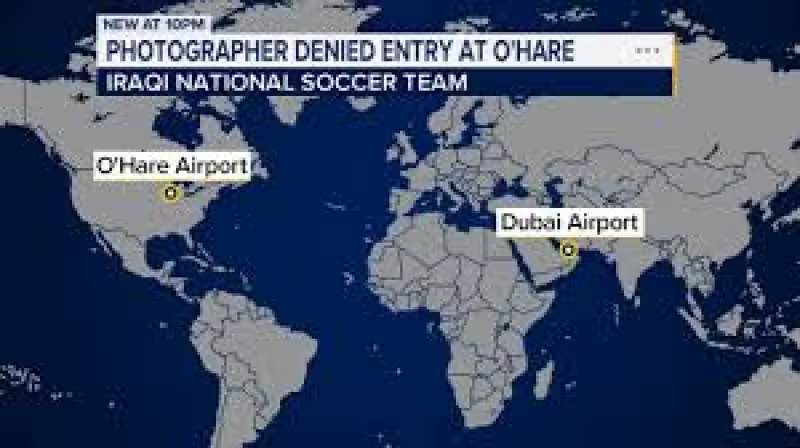
U.S. Customs and Border Protection detained Iraq striker Aymen Hussein for nearly seven hours at Chicago O'Hare International Airport on June 5 before admitting him to the United States, while a team photographer was denied entry and sent back to Iraq, CBP and team officials said.
The Iraqi national team arrived at O'Hare from Dubai International Airport late Friday night, and during processing two travelers underwent additional inspection. After about seven hours of questioning, Aymen Hussein was admitted. The second traveler, identified as team photographer Talal Salah, was found inadmissible and returned to Iraq; CBP said the decision stemmed from vetting concerns and classified information but did not elaborate.

A CBP spokesperson said "admissibility determinations are made on a case-by-case basis using law enforcement, national security, and immigration information available at the time of inspection." The agency reiterated that all travelers seeking entry into the United States, including athletes, coaches and staff, are subject to inspection and vetting.
The detentions came as Iraq had flown into Chicago to prepare for a World Cup tune-up match against Venezuela at SeatGeek Stadium in Bridgeview on Tuesday night. The trip followed a June 4 friendly in Spain; Iraq faced Spain at Riazor as part of its pre-tournament schedule, a run of fixtures that helped set expectations for the squad ahead of the World Cup and follow recent ranking coverage that placed Iraq in a challenging 2026 Group I.
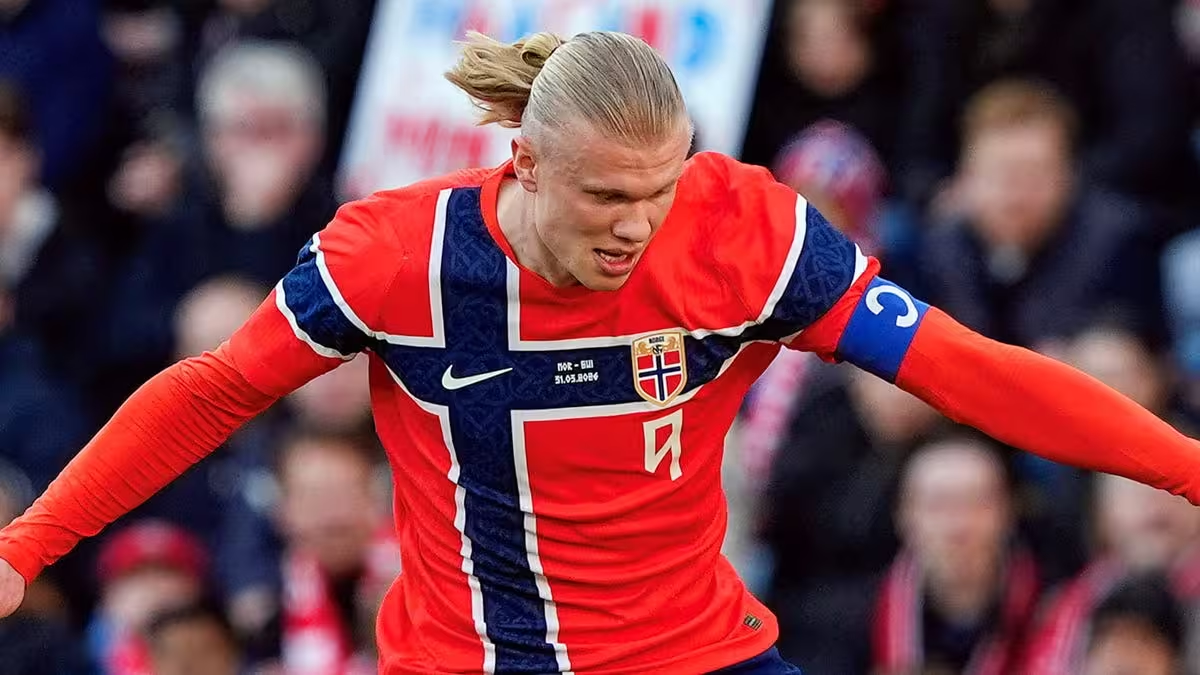
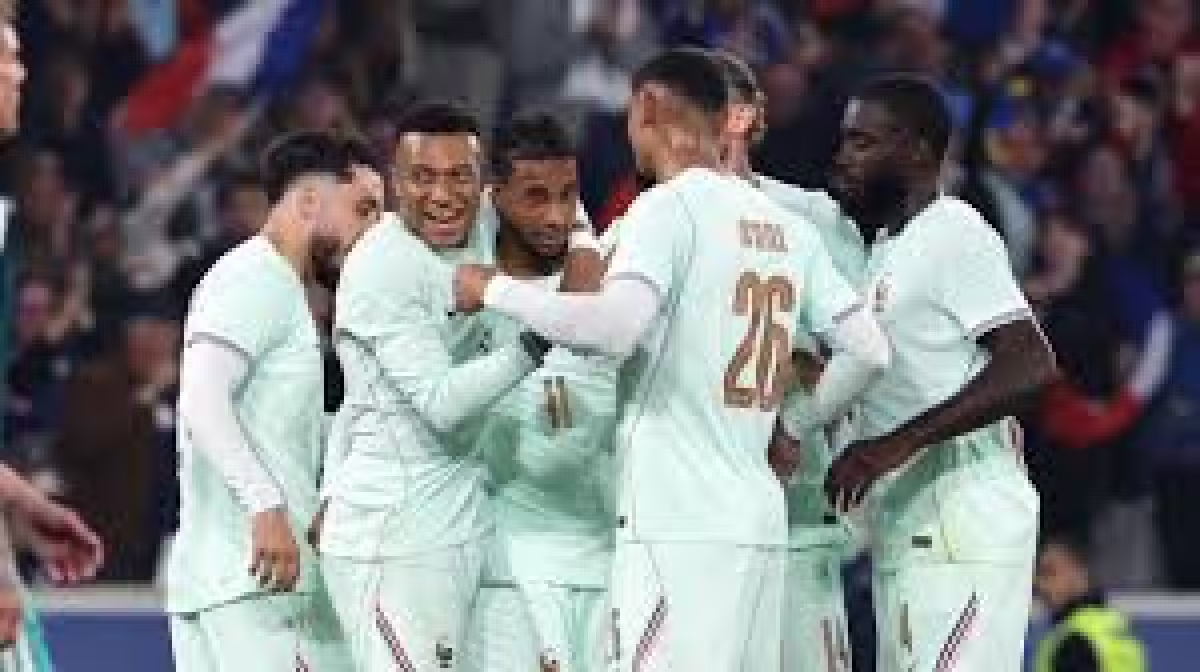
Members of the Iraqi delegation pushed back on the idea that the team was being singled out for political reasons. A source within the team said they did not feel they were being targeted, even though two members of the delegation were subjected to extra screening and one was ultimately denied entry. That assessment sits against CBP's references to national-security and law-enforcement information that it said guided the inspections.
Outside the airport, traveling fans and observers voiced confusion. Ali Challabi, who had flown from Houston with his son to watch the match, said, "Everybody in Iraq, they're talking about this." He added, "This is not supposed to happen like that, because he's an international player team, and he's not coming here to visit, he's coming here to play and do his job and go back to Iraq. It's so weird it's happening with my country." Challabi's comments reflected broader uncertainty among supporters about how an international player's entry could be delayed while a member of the team's staff was turned away.
The immediate consequence for the team is practical: Hussein was cleared to join the squad, while the absence of Salah reduces the delegation's ability to handle team photography and media on the ground. Team officials did not outline contingency plans for matching the work Salah would have done, and CBP declined to provide further specifics about the classified information that led to the photographer's inadmissibility.
The most consequential unanswered question is straightforward: what information led U.S. authorities to determine Talal Salah inadmissible, and will that assessment affect future travel by members of the Iraqi delegation or other national teams? CBP's public explanation has been limited to the agency's standard, case-by-case statement, and no additional facts have been released. Iraq is scheduled to play Venezuela at SeatGeek Stadium on Tuesday night; whether the incident will have operational or diplomatic fallout beyond the missing photographer remains to be seen.