



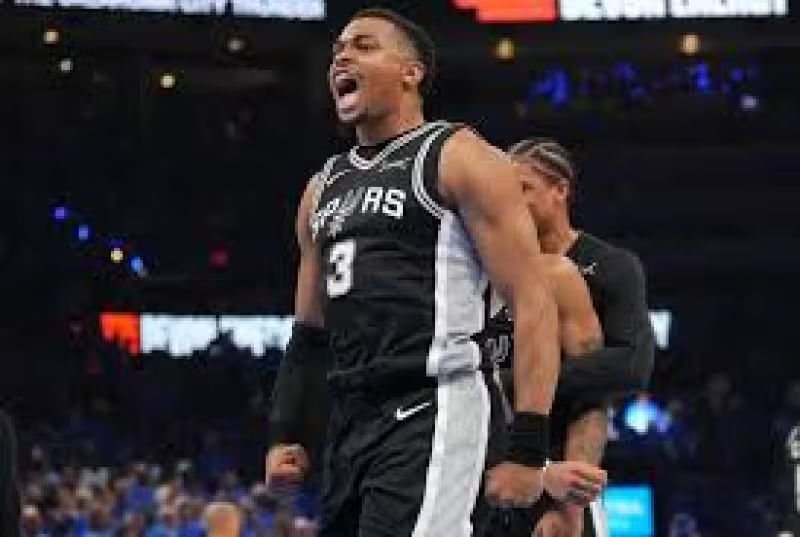
The San Antonio Spurs enter Game 3 of the NBA Finals down 0-2 to the New York Knicks and urgently need more production from Keldon Johnson off the bench.
Johnson arrives at the series tipping point as last season’s Sixth Man of the Year — and a 13.2 points, 5.4 rebounds regular-season performer — but his playoff profile has changed: minutes are down, his scoring efficiency “fell off a cliff,” and he’s producing roughly 8.5 combined points and rebounds during the postseason.

That drop matters because the Knicks have exposed San Antonio’s lack of size at the forward spots. The Spurs hoped Johnson’s combination of strength and board-hunting energy would blunt that mismatch; instead, New York’s physical forwards have won too many battles inside, leaving the Spurs light in the paint and short on second-chance chances.
San Antonio built its bench plan knowing the big forward slot was a weakness all season. Small-lineup choices amplified the need for bench minutes that could add rebounding and physicality; Dylan Harper’s several standout performances earlier in the playoffs helped mask Johnson’s shortfall. But facing the Knicks’ length and physicality in Games 1 and 2, those stopgaps weren’t enough.
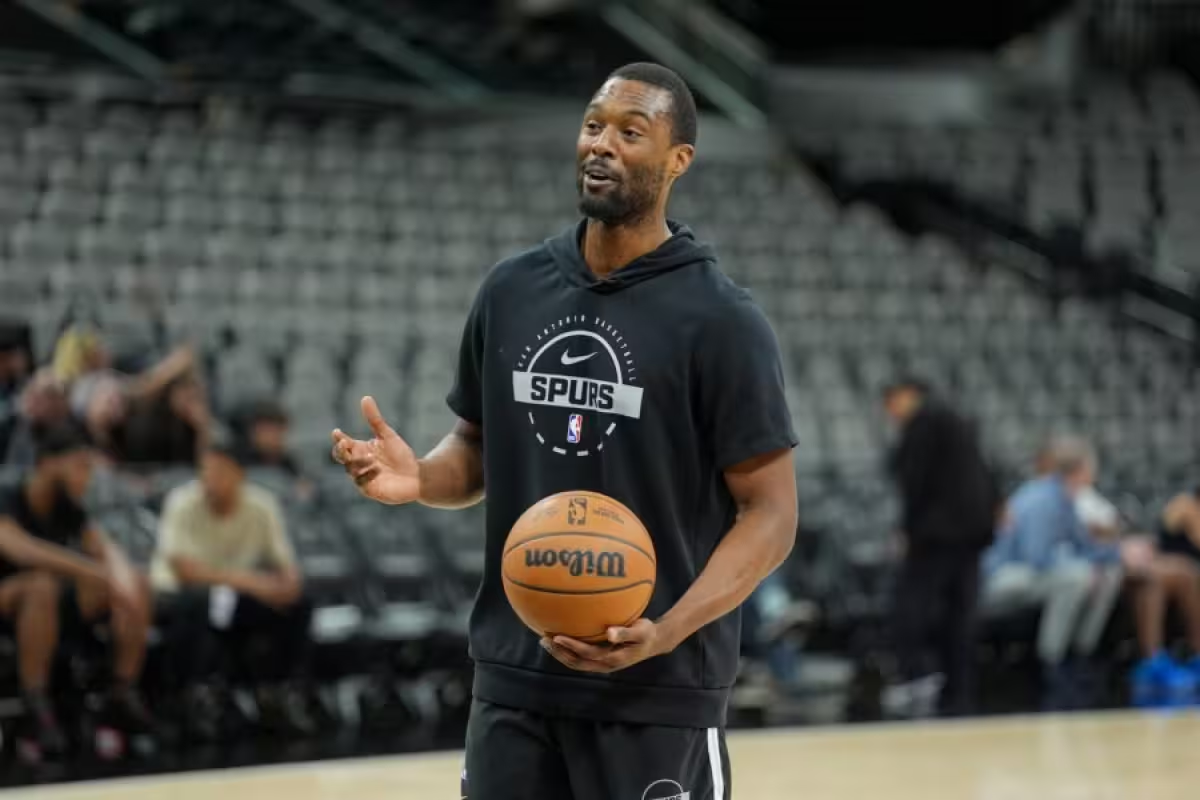
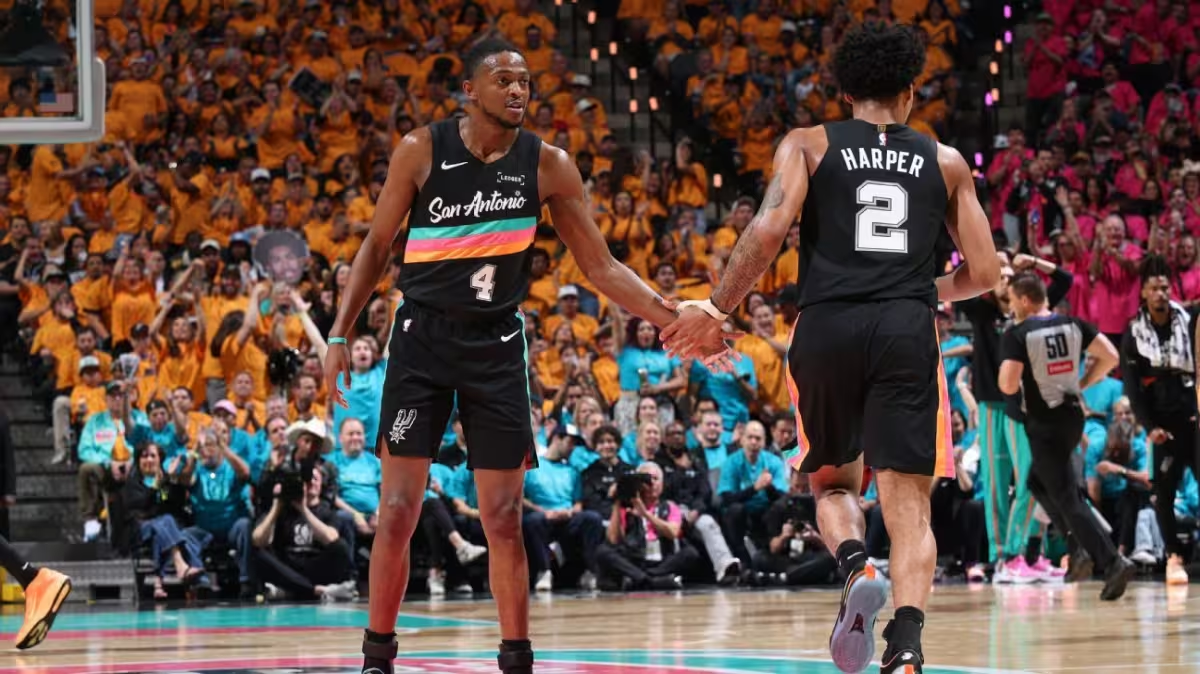
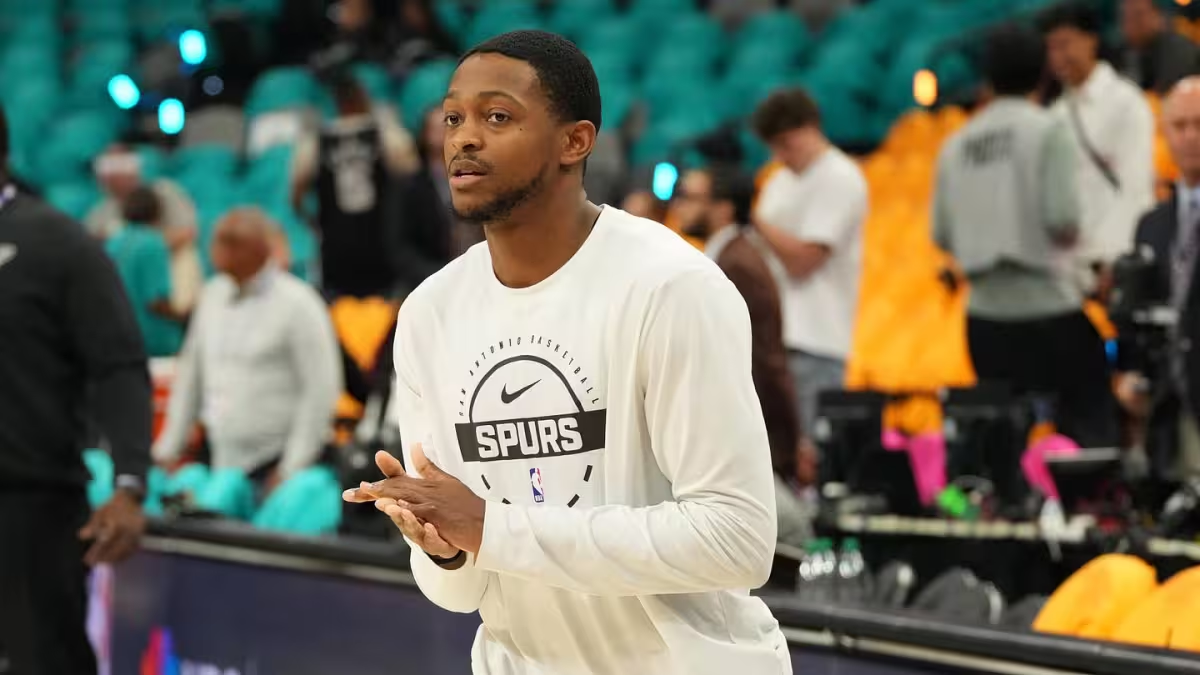
The friction is straightforward: Johnson was expected to be part of the solution at forward, but his playoff struggles have limited his impact exactly when the Spurs need him most. He has not been finishing inside, his rebounding has not matched regular-season output, and his reduced role has left the Spurs scrambling for matchups and minutes to shore up the front line.
San Antonio has tried tactical fixes. In earlier rounds, the Spurs leaned on a one-man zone to help against stretch bigs and handled opponents who started paint-bound centers with different defensive looks. They also began using Julian Champagnie at power forward at points before the Finals, shifting rotation minutes in search of a sturdier interior presence. Those adjustments bought time, but against New York they have not produced the consistent interior resistance the team needs.
Practically, what to watch in Game 3 is simple and immediate: will Johnson’s minutes climb, and will those minutes come with targeted assignments — crashing the glass, attacking the rim and guarding the Knicks’ bigger wings? The Spurs have partially offset Johnson’s dip with Harper’s bench scoring; now they need Johnson to finish at the rim and clear space on the boards. He is not particularly tall, but he is strong enough to guard big forwards and brings boundless energy on the boards — the tools the Spurs hoped would translate in the postseason.
If the Spurs are to change the series trajectory at home, Johnson’s role likely has to expand in two ways: more possessions aimed at his strengths near the rim and more minutes specifically designated to contest rebounds and body up against New York’s forwards. Coach rotations that reduce Johnson’s time or scatter his responsibilities will leave the Spurs exposed to the same size mismatches that cost them in Games 1 and 2.
Game 3 will tell whether coach and roster adjustments can hide Johnson’s playoff slide or whether the Spurs must lean on other bench pieces and schematic shifts to survive. The single most consequential unanswered question heading into the game: can Keldon Johnson reverse his playoff trends in time to supply the finishing and rebounding punch San Antonio has lacked?



