



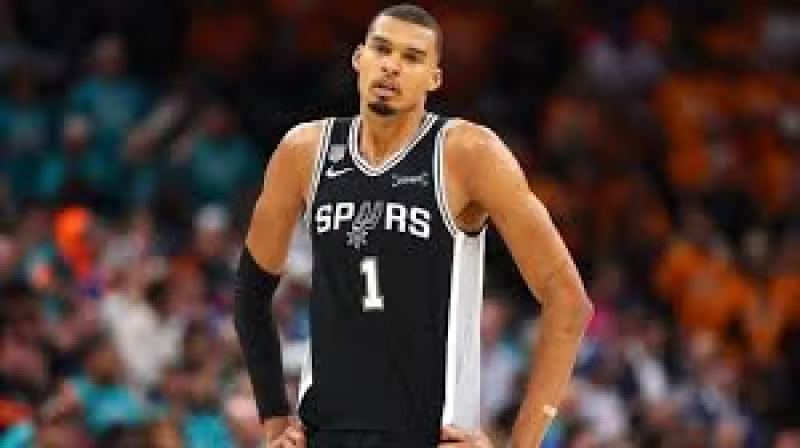
Victor Wembanyama addressed the media Thursday ahead of Game 2 of the 2026 NBA Finals, telling San Antonio the remedy is simple: play their game Friday at 8:30 ET in San Antonio on ABC after a 105-95 loss to the New York Knicks in Game 1.
Wembanyama mixed blunt self-assessment with a steadying message. “We don’t need to do anything incredible,” he said, adding that “it’s almost not like I have anything to figure out. It’s almost like I have to play normal, not even good.” He followed that by saying, “I was bad tonight. It’s not more complicated than that.”

The raw numbers from Game 1 explain the urgency. Wembanyama scored 26 points with 12 rebounds and three blocks, but he shot 6-for-21 from the field, went 2-for-9 from three and committed six turnovers. The Spurs as a team made 32 field goals but managed only 16 assists, shot 36 percent from the floor and 25.6 percent from deep. The Knicks also outrebounded San Antonio on the offensive glass, producing 23 second-chance points off 10 offensive rebounds.
Coach Mitch Johnson pinpointed the failures Wembanyama described. “The way we played offensively in terms of a team and our brand, we didn’t play with the pass enough (and) we didn’t put enough pressure and force on the rim in the paint,” Johnson said. “It led to a lot of making or missing shots, us trying to play with talent offensively instead of playing together and finding opportunities.”
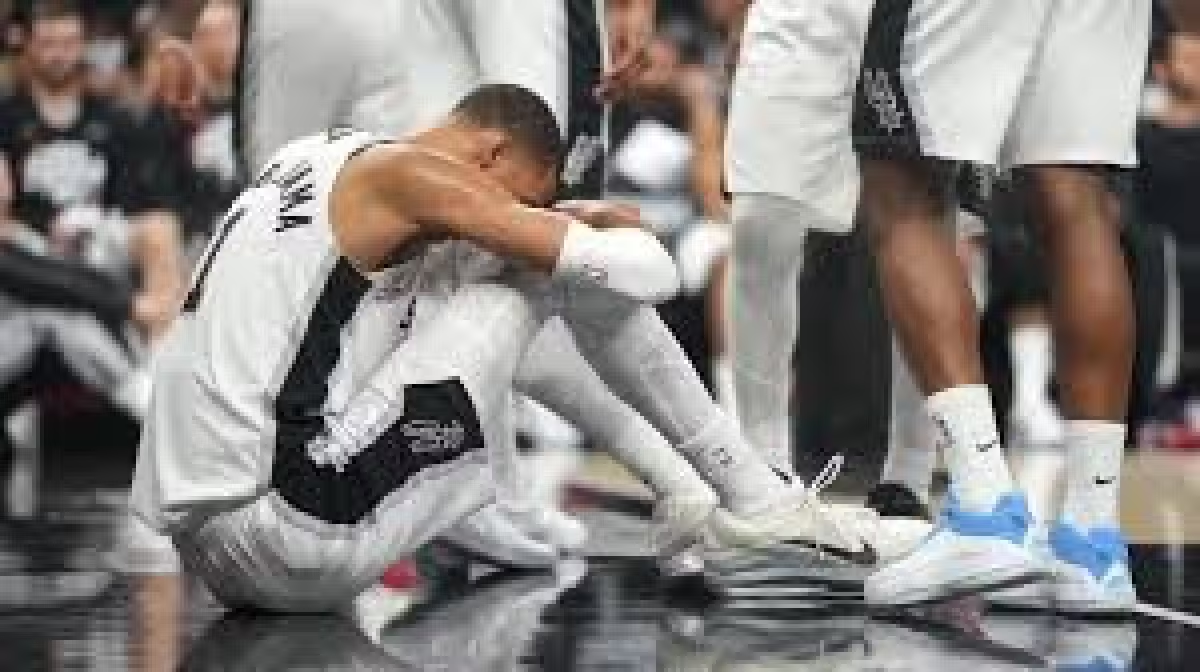
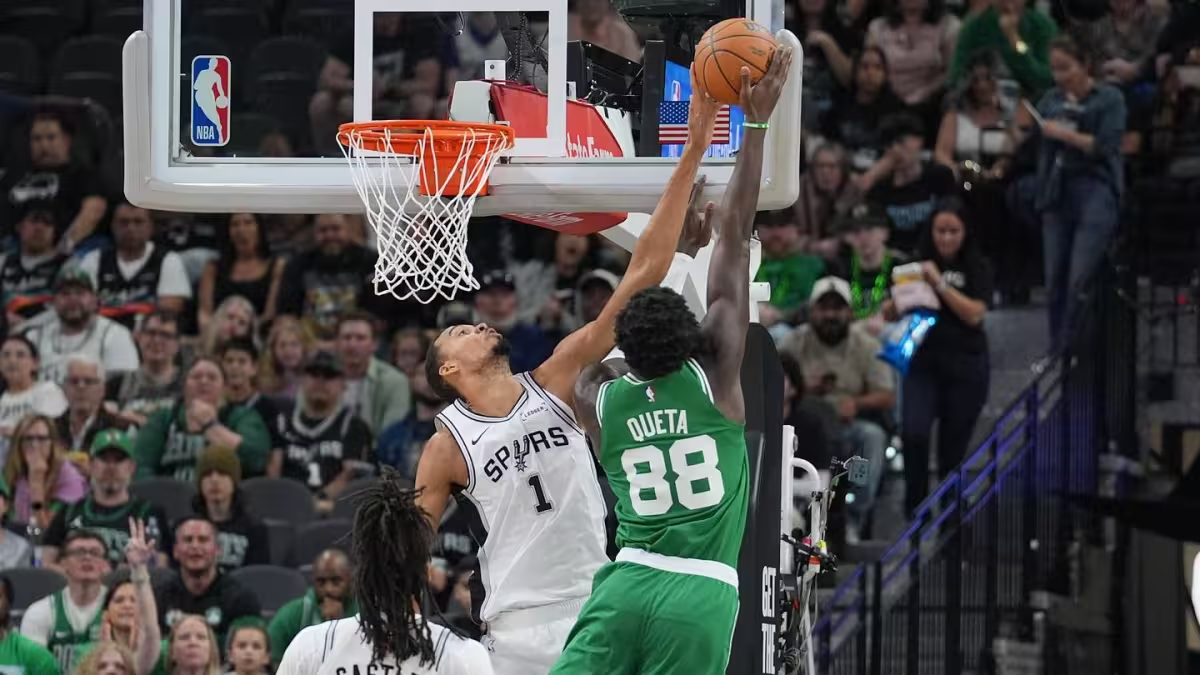
The friction is obvious: Wembanyama insists he isn’t worried and forecasts improvement — “We’re going to be so much better. I’m going to be so much better” — while analytics and game film show the Knicks found a workable blueprint. NBA tracking data shows Wembanyama was 2-for-11 from the field and turned the ball over five times when Karl-Anthony Towns was the primary defender, a matchup detail that helped shape Game 1’s outcome.
The practical stakes are immediate. San Antonio must avoid falling into a 2-0 hole before the series moves to New York for Games 3 and 4. If the Spurs’ offensive identity — movement, passing and attacking the rim — returns, they can blunt New York’s second-chance edge and reduce reliance on individual shot-making that failed Wednesday.
What to watch when the ball tips Friday: whether the Spurs increase assist totals by forcing the Knicks to make defensive decisions, how aggressively they attack the paint to limit offensive rebounds, and whether Wembanyama limits turnovers and improves his efficiency inside the arc. Wembanyama’s blueprint for “normal” play was specific: “Normal means trusting each other, trusting the basketball gods, trusting the game plan, executing, and not relying on talent so much to make shots or to save the day.”
Fans searching online for background questions like where is Victor Wembanyama from will find that none of those facts change the immediate task: execution. The series balance hinges less on origin stories than on adjustments this team makes in the next 48 hours.
Game 2 at 8:30 ET on ABC is the test. The close, not the talk, will decide whether the Spurs can turn Wembanyama’s confidence and Johnson’s diagnosis into the kind of collective play that wins Finals games; the real question is whether San Antonio will convert that talk into enough passes, rim pressure and cleaner possessions to leave for New York tied instead of trailing.



