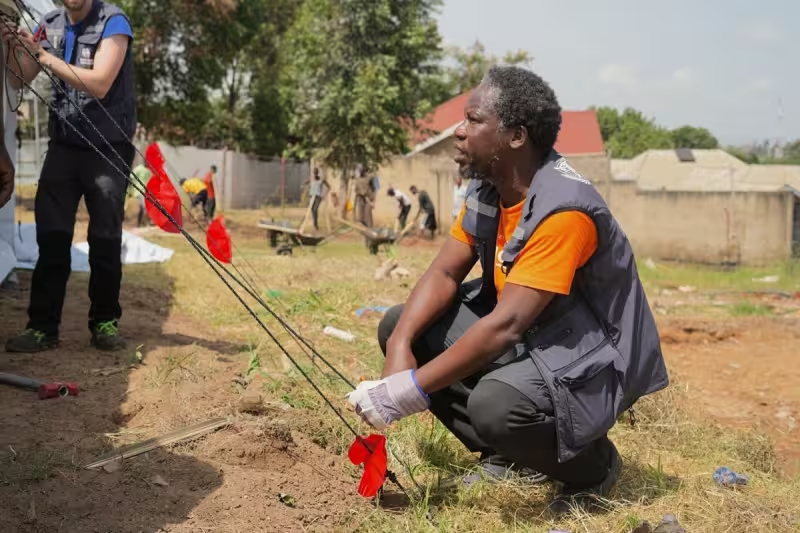
The World Health Organization has mobilized expert and advisory groups in response to an outbreak of Ebola disease caused by the Bundibugyo virus that has affected communities in the Democratic Republic of the Congo and reported cases in Uganda.
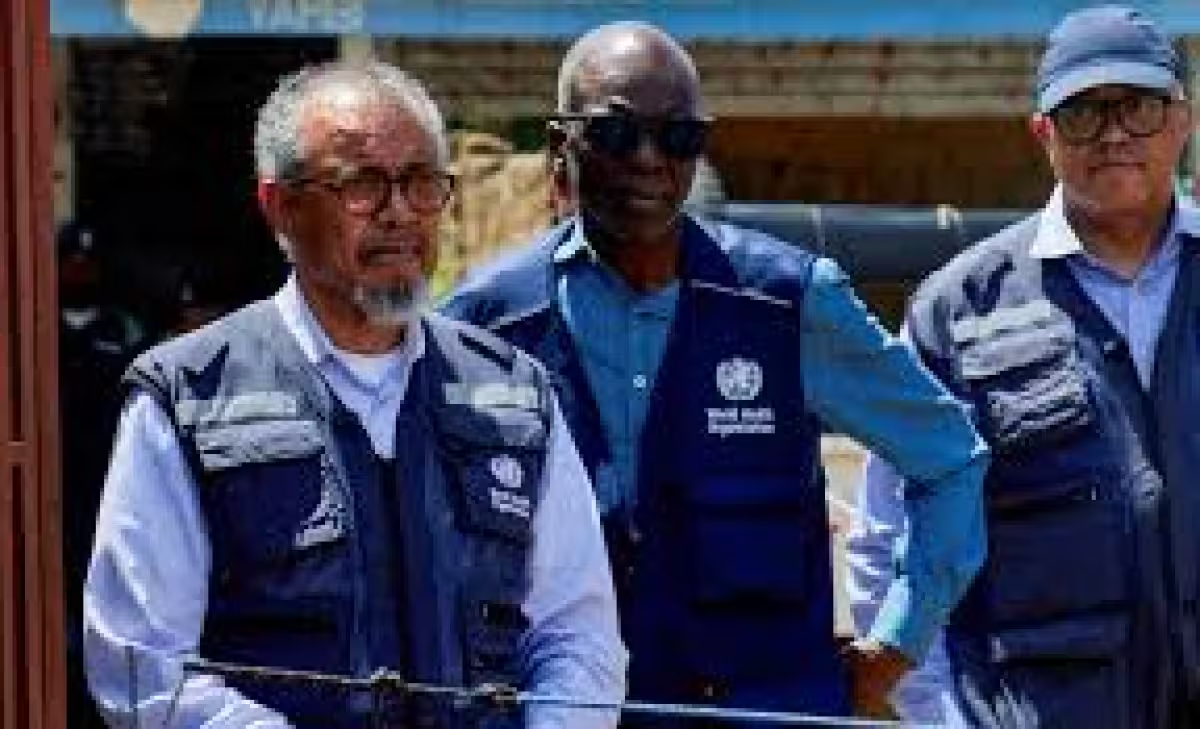
During the current outbreak, WHO convened several of its expert and advisory bodies — including meetings with the WHO R&D Blueprint technical advisory groups on candidate vaccines and therapeutics, the Strategic Advisory Group of Experts on Immunization (SAGE) and its Ebola vaccine working group — to assess candidate products for both prevention and treatment.

The deliberations reached a clear operational decision: the advisory groups recommended that all identified candidate vaccines and therapeutics be used exclusively within clinical trials. That recommendation sits alongside WHO’s explicit statement that there are currently no licensed therapeutics or vaccines specifically approved for the prevention or treatment of Bundibugyo virus disease.
Beyond the laboratory and regulatory assessments, WHO is working directly with the governments of the Democratic Republic of the Congo and Uganda to facilitate evaluation of these products. WHO, the two national governments, Africa CDC, ANRS Emerging infectious diseases and other scientific partners are developing and implementing protocols to test the safety and effectiveness of prioritized therapeutics through clinical field trials.
WHO has framed the research push as part of a larger outbreak response package. The agency called for accelerated access to essential supplies and for stronger community protection through engagement and trust. It urged coordinated investment in research, development and evaluation of Bundibugyo virus disease countermeasures, and emphasized that all research must adhere to the highest ethical standards under the leadership of national health authorities and in close consultation with affected communities.
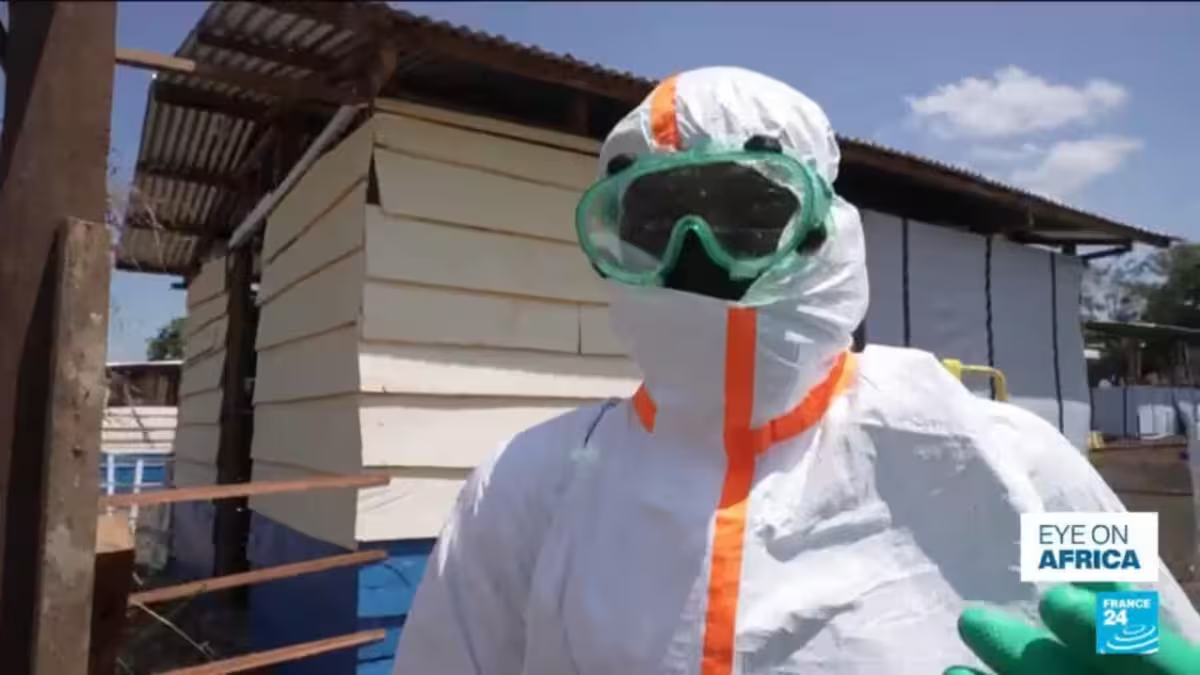
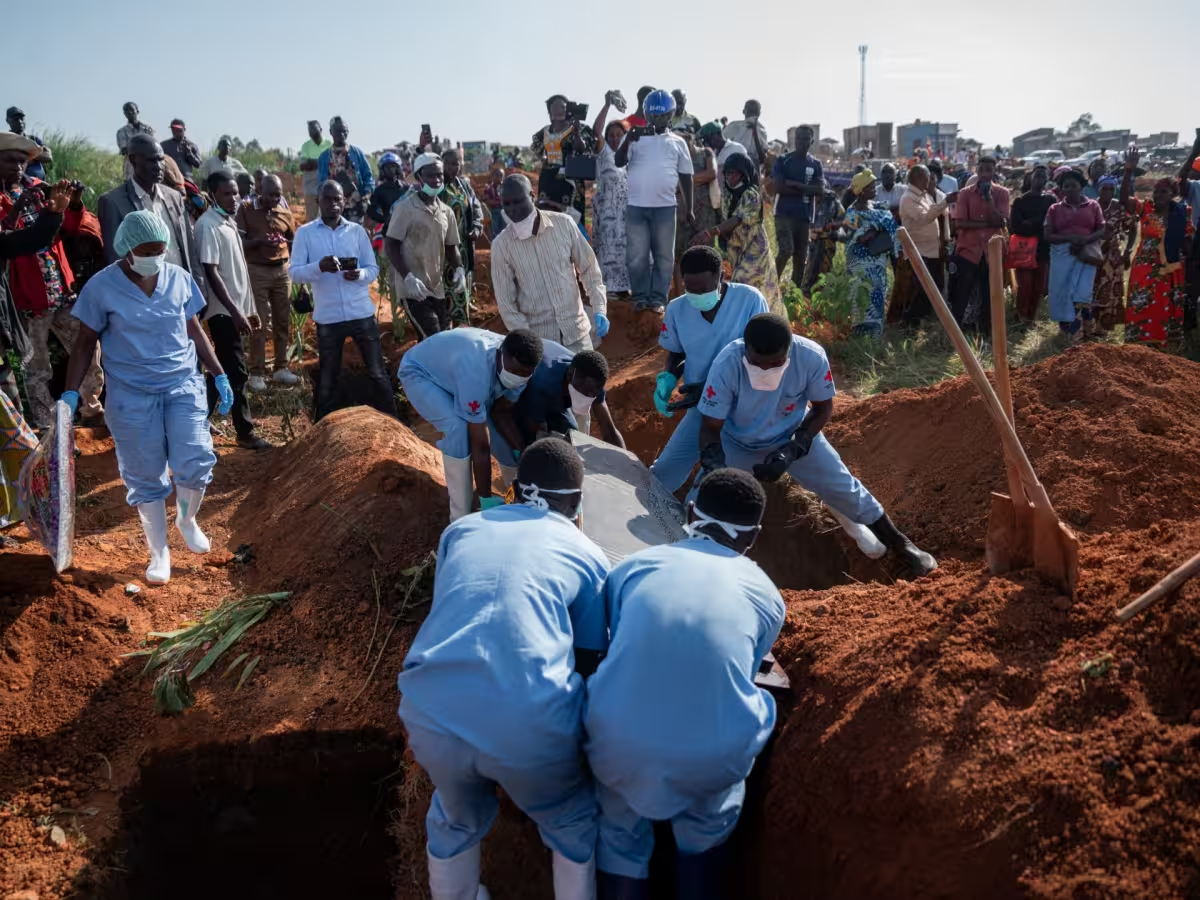
At the same time, WHO reiterated that immediate outbreak control rests on established public-health tools: surveillance, rapid testing and diagnosis, contact tracing, isolation and care for patients, infection prevention and control measures, community engagement, and safe and dignified burials. Those measures remain the declared priority while candidate products move through controlled evaluation.
The WHO R&D Blueprint — a global initiative designed to permit rapid activation of research and development activities during epidemics — and SAGE, the principal advisory group to WHO for vaccines and immunization, have been central to the coordination and scientific review. Together with partners, they have sifted through candidate vaccines and therapeutics and prioritized products for clinical assessment rather than emergency deployment outside trials.
The posture WHO has chosen creates an operational tension: the agency is pressing for faster access to supplies and stronger community protections, yet its advisory groups insist that any candidate vaccines or treatments must be studied within clinical trials to generate robust data. That dual directive reflects both a scientific caution — there are no licensed options for Bundibugyo disease — and an ethical stance that research during an outbreak must produce reliable evidence while protecting participants and communities.
Practical implementation now hinges on the protocols under development. Field trials will need rapid regulatory and logistical clearance in the Democratic Republic of the Congo and Uganda, the mobilization of supplies and trained teams, and meaningful community engagement. WHO and partners say those pieces are being built out, but the agency also stresses that national health authorities must lead and that affected communities be closely consulted at every step.
The single most consequential unanswered question is whether the clinical trials organized under national leadership and global coordination can deliver safe, ethically sound evidence of effective vaccines or therapeutics quickly enough to alter the course of transmission during this outbreak.