























Heritage List Adds Bricks and Brutalism, Overcoming Owners’ Objections

The South Australian Heritage Council is taking steps to include modern architecture in the state’s heritage list, despite objections from property owners. Since 2021, a total of 18 buildings constructed after World War II have been granted high-level protection. While many of these buildings, primarily churches and industrial sites, may not be traditionally attractive, they hold significant historical and architectural value.
Bricks and Brutalism: Adding Modern Heritage
Among the recent additions to the heritage list is the Elizabeth Grove Uniting Church, which opened in 1956. It was the first church established in Elizabeth, part of a scheme by the South Australian Housing Trust to foster a stable community in a burgeoning industrial area. The church has historically welcomed migrants, playing an essential role in the local community.
Community Impact and Historical Relevance
Sandy Verschoor, chair of the Heritage Council, emphasized the role of modern buildings as community hubs post-World War II. Two recently recognized churches in Elizabeth and several others in vibrant multicultural neighborhoods helped foster a sense of belonging.
“Heritage isn’t just about ancient buildings; it’s about capturing the essence of a place over time,” Verschoor noted.
Brutalist Architecture Under Scrutiny
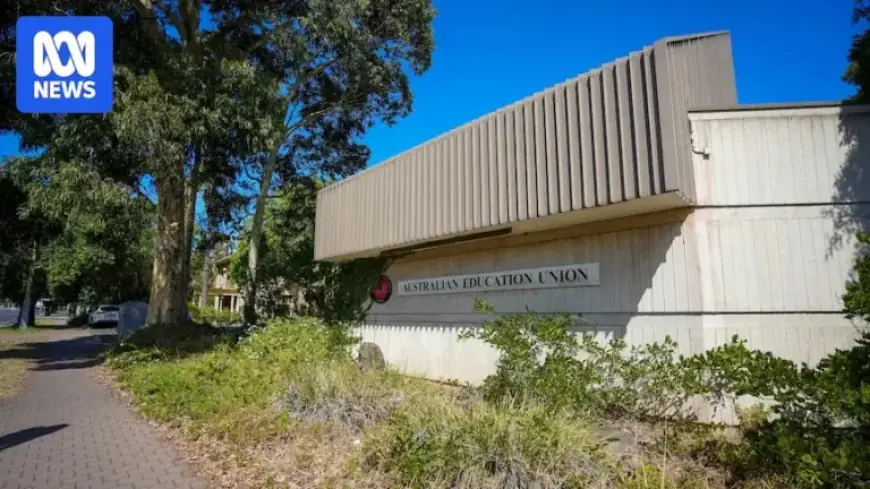
One notable addition under provisional listing is the Australian Education Union’s brutalist office building, constructed in 1970. The union aims to replace this structure with a new development, citing the need for improved amenities. Critics argue that the building represents a crucial phase in architectural evolution, showcasing the raw beauty of concrete.
Stuart Symons, an advocate for modernist architecture, stated, “Buildings like this from the 1950s to the 1970s are at risk of unjust demolition due to short-sighted development plans.”
Controversial Listings and Owner Objections
- The Adelaide Education Union building aims for demolition for new apartments.
- Opposition to listings includes objections from the owners of grain handling complexes in Gladstone and Brinkworth.
- Legal arguments suggest these sites, modified over decades, lack significant historical value.
However, some homeowners support the heritage listing. For instance, Graham Dickson’s former residence in Rostrevor, designed by renowned architect Robert Dickson, was nominated shortly before his passing. New owners have embraced its architectural significance, using it for short-stay rentals.
The Future of Heritage Listings
Verschoor confirmed the initiative to recognize more modern structures will continue. The Heritage Council plans a comprehensive survey of existing listings to ensure they appropriately narrate South Australia’s architectural history, balancing the old with the new.