























Inside Artemis Astronauts’ Compact Space Habitat: A First Look

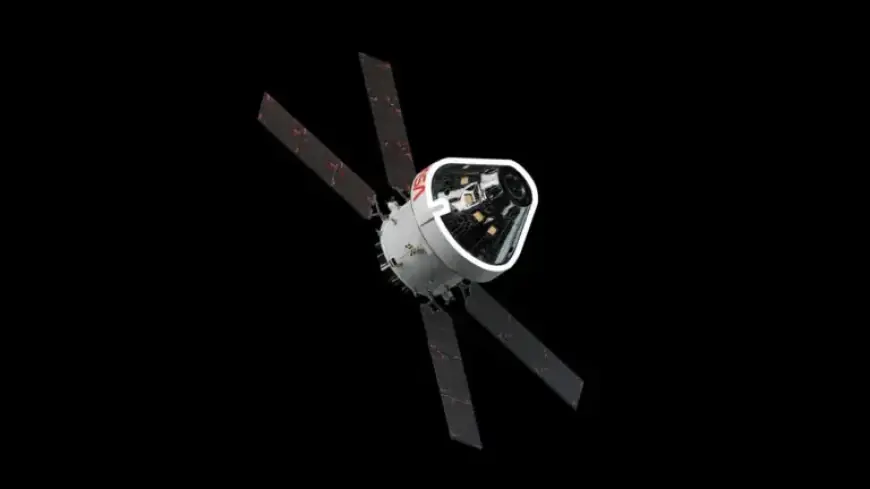
The Artemis II crew of four left Earth on April 1 aboard Orion. This first look inside Artemis reveals the compact space habitat and its daily routines.
A confined home for a lunar trip
The crew travels in a module offering about 330 cubic feet of volume. That is roughly 60% more interior space than the Apollo command module.
The living area feels small, similar to a five-person tent. Astronauts must convert controls into a livable workspace for the 10-day mission.
Meals and water management
All food must be shelf-stable, safe, and ready-to-eat or rehydratable. Orion lacks refrigeration and a late-load option.
- 189 unique food and drink items fly on the mission.
- More than 10 beverage varieties are available.
- Two flavored drinks are allowed per day, including coffee.
- Five hot sauces and exactly 58 tortillas are on board.
The potable water dispenser has two supply lines into the crew module. It links to four pressurized tanks in the service module.
A compact food warmer heats rehydratable and thermostabilized items. The unit secures with Velcro and plugs into Orion’s power utility panel.
Sleep and daily routines
Astronauts sleep in bags attached to cabin walls. The bags act like hammocks and prevent drifting in microgravity.
For most nights, the crew sleeps eight hours at the same time. This maintains a synchronized schedule for the entire team.
Hygiene and the waste system
Orion has a hygiene bay adjacent to the crew area. The Universal Waste Management System is a compact, titanium, vacuum-based toilet.
The system pulls urine and feces into separate containers. Feces are stored and urine is vented overboard in normal operations.
The UWMS includes a privacy stall and an ergonomic seat. Airflow starts automatically when the stall opens.
If the system malfunctions, crew can use collapsible urinals that collect urine in a bag. The toilet can still accept feces without the fan.
Soon after launch, flight controllers reported the toilet fan was jammed. NASA said the unit could still handle feces but not urine.
The crew, working with mission control in Houston, restored the toilet to normal operation after the proximity operations demonstration.
Exercise on Orion
Crew members exercise 30 minutes each day. The device is a flywheel system that uses cables for resistance.
It supports aerobic movements like rowing and resistance moves like squats and deadlifts. The unit stows on the floor by the bathroom and hatch wall.
Reporting: Filmogaz.com; NASA; Canadian Space Agency.