






















US Oil and Gas Drillers Slow Down as Prices Surge

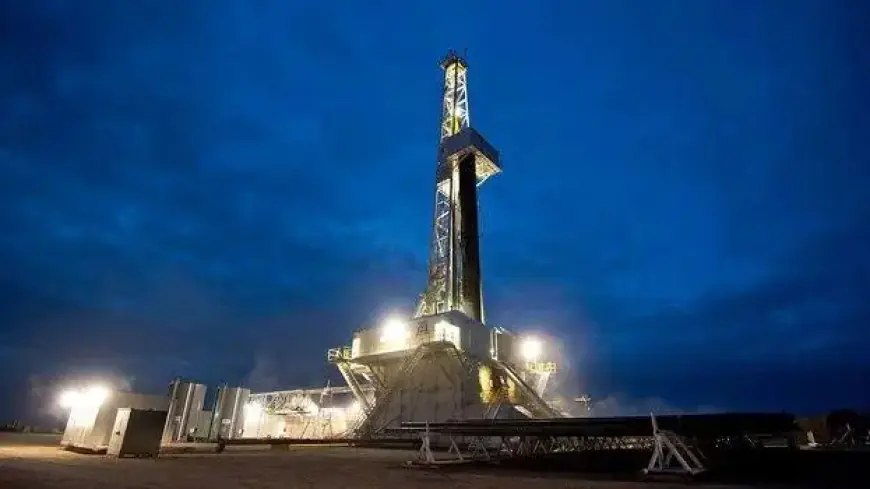
The latest data from Baker Hughes reveals a slowdown in activity among U.S. oil and gas drillers as production and rig counts decrease despite surging prices. As of April 10, 2026, the total number of active drilling rigs in the United States has declined to 545. This marks a reduction of 38 rigs compared to the previous year.
Current Rig Count Overview
In the most recent reporting period, the number of active oil rigs remained unchanged at 411. However, this represents a significant decrease of 61 rigs compared to the same time last year. Conversely, the count of gas rigs experienced a minor drop of three, bringing the total to 127. This figure is still 22 rigs higher than it was a year ago.
Regional Analysis of Active Rigs
- Permian Basin: 242 active rigs, down 47 from last year.
- Eagle Ford: 43 active rigs, a decrease of 4 year-on-year.
- Miscellaneous Rigs: Steady at 7.
Production and Pricing Trends
According to recent data from the Energy Information Administration (EIA), U.S. crude oil production has decreased. As of the week ending April 3, production averaged 13.596 million barrels per day (bpd), which is 266,000 bpd below the all-time high.
The primary measure of drilling efficiency, the Frac Spread Count, experienced a slight uptick, gaining 7 crews after two weeks of losses. This indicates some stabilization in drilling activity.
Current Oil Prices
Oil prices have shown variability. As of Friday, Brent crude is priced at $97.04 per barrel, reflecting a 1.17% increase. However, this price is still down over $10 per barrel compared to the previous week. West Texas Intermediate (WTI) is trading at $98.72, maintaining a lead over Brent prices.
In summary, as U.S. oil and gas drillers slow down, many factors including rig counts, production levels, and fluctuating oil prices play a critical role in shaping the industry landscape.