






















Drought in B.C. Highlights Sharp North-South Regional Divide

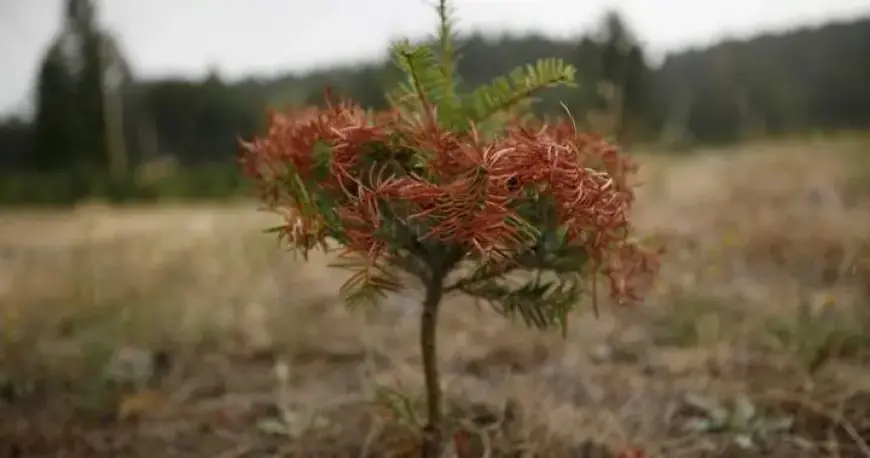
The current snowpack conditions in British Columbia (B.C.) reveal a significant regional divide, particularly between the northern/eastern areas and the southern parts of the province. This disparity raises concerns regarding potential drought and water restrictions in certain regions as spring approaches.
Drought in B.C.: A Sharp North-South Regional Divide
Typically, April 1 is the date when snow accumulation peaks in B.C. Hydrologist Jonathan Boyd from the B.C. River Forecast Centre provides insights into this year’s snowpack data, which shows concerning trends. Areas in the north and east have experienced snowpacks above normal levels, while the southern region, including the southern interior and Vancouver Island, reports significantly below normal levels.
Current Snowpack Statistics
- South Coast: 57% of normal
- Vancouver Island: 44% of normal
- Lower Fraser: 75% of normal
- Boundary (Grand Forks): 65% of normal
- Nicola and Lower Thompson: 51% of normal
- Okanagan: 58% of normal
Of particular concern is the Okanagan region, which has recorded its lowest snow basin index since tracking began in 1980, at just 58% of normal. Previous records show that in 1981, the Okanagan reached 67% of normal snow accumulation.
Implications of Low Snowpack Levels
A low snowpack could potentially indicate drought conditions this summer, according to Boyd. However, he emphasizes that snowpack levels alone do not guarantee a drought. For instance, in 2023, B.C. experienced a dry and hot spring despite average snow levels on April 1.
Boyd highlights the importance of seasonal weather patterns as crucial indicators of drought risk. Major populated areas like Metro Vancouver, Fraser Valley, and Vancouver Island have also recorded subpar snowpack levels, the lowest in approximately ten years.
Comparative Historical Context
While 2024 snowpack measurements were similar to this year’s, the 2015 levels were significantly lower, at around 10-15% of normal for the South Coast and Vancouver Island. The current conditions are particularly grim for the Okanagan, where the snowpack has hit a 45-year low.
Future Weather Patterns and Flood Risks
Officials are monitoring the potential for spring flooding, especially in higher alpine regions. Areas with above-normal snowpack could experience flooding risks as meltwater increases in late May and potentially extends into June or early July.
Boyd cautions that despite the current low snowpack conditions, there remains some moisture in the system, as March brought a significant atmospheric river event affecting the region. However, higher-than-normal temperatures have hindered additional snow accumulation.
Conclusion
This spring presents a distinct contrast across the province. While northern and eastern areas benefit from abundant snow, the south faces critical water shortages that could lead to drought and subsequent water use restrictions. It remains vital for residents to heed guidance from local governments regarding water usage and safety throughout this unpredictable season.