






















Federal Judge Blocks Changes to Slavery Exhibits at Philadelphia’s President’s House

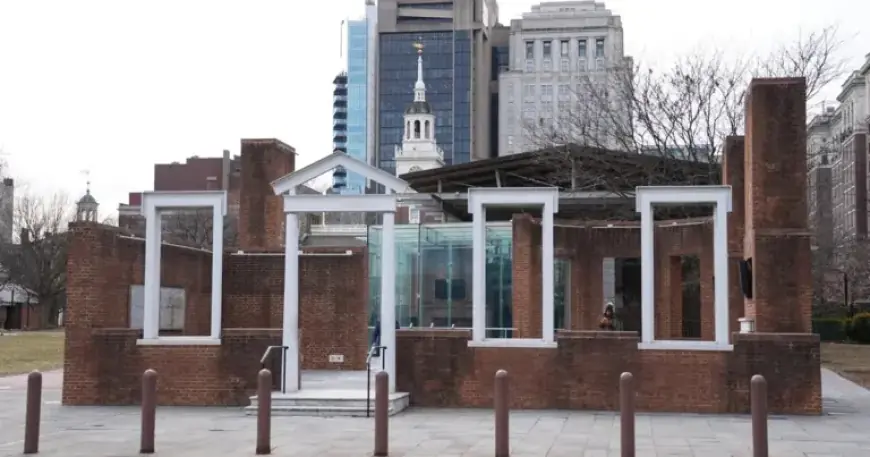
A recent ruling by a federal appeals judge has prevented modifications to the slavery exhibits at the President’s House in Philadelphia. This decision comes shortly after the National Park Service (NPS) introduced “new exhibits” on its official website, which reignited concerns over the preservation of historical artifacts.
Background of the President’s House
Located at 6th and Market streets, the President’s House was once the residence of George Washington and John Adams during Philadelphia’s time as the nation’s capital. The site’s historical significance gained attention in 2000 when efforts to relocate the Liberty Bell led to the discovery of its foundation. The area has since evolved into an exhibit dedicated to the lives of nine enslaved individuals who lived there.
Recent Developments
- In 2026, the Trump Administration ordered the removal of certain displays as part of an executive order aimed at revising historical narratives.
- Following legal challenges, a federal judge ruled last Thursday to maintain the exhibits in their current state.
- Some panels were restored in February, but a stay issued by an appeals judge halted further restoration efforts.
Community Response
The Avenging the Ancestors Coalition (ATAC), a key advocate for the initiative, criticized the updated exhibits. They accused the NPS of attempting to “sanitize history,” saying that some vital historical context remains unaddressed.
Official Statements and Transparency Issues
This week, the NPS updated its website with digital representations labeled as “new exhibits.” However, when asked whether these new images would replace the original panels, a spokesperson declined to provide a direct answer. Instead, they reiterated President Trump’s commitment to “restoring truth and sanity” while striving to tell a comprehensive story of history.
The ongoing legal battle underscores the complexities involved in presenting historical narratives authentically. As the situation develops, many remain vigilant in ensuring that the voices of those enslaved in the nation’s past are not forgotten.