














56 Days Cast: Who Stars in the Boston-Based Thriller and What Critics Are Saying

The 56 days cast has become a focal point in recent coverage of the new eight-episode adaptation, driven by attention to lead performances and a drastically different ending from the novel. Reviews and story analyses emphasize the casting, the series' gruesome central mystery and a late pivot that reframes the original book's motives.
56 Days Cast: Lead Performances and Roles
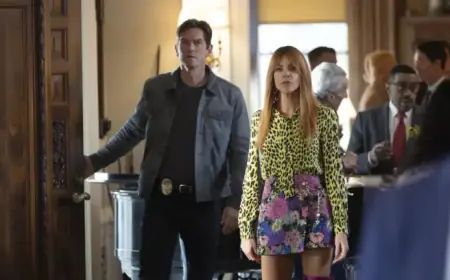
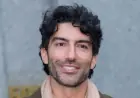
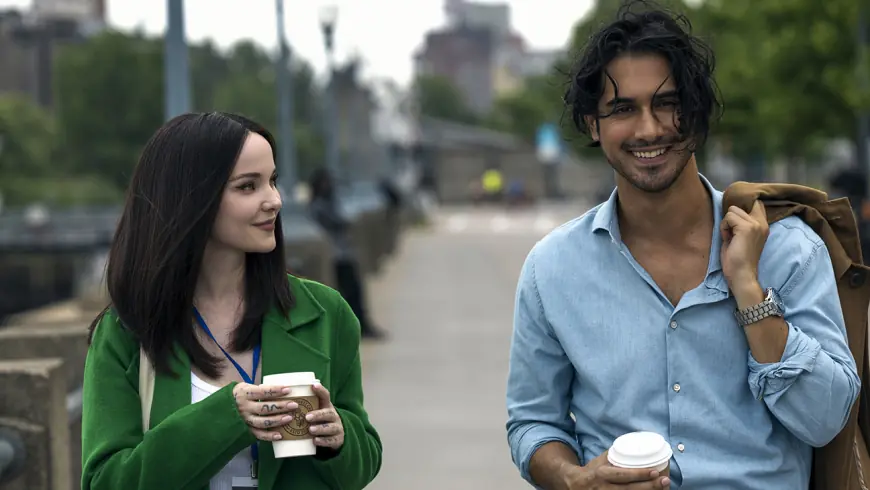
The series centers on Ciara, played by Dove Cameron, and Oliver, played by Avan Jogia, whose fast-moving romance sits at the heart of the plot. The wider ensemble includes Karla Souza and Dorian Crossmond Missick in detective roles, as well as featured appearances from Megan Peta Hill, Alfredo Narciso, Dylan Colton and Patch Darragh. Creators Lisa Zwerling and Karyn Usher adapted the story from Catherine Ryan Howard's novel.
Coverage highlights the dynamic between the two leads: Ciara is portrayed as an IT tech living in a run-down studio while Oliver occupies a luxe corporate apartment and works at an architecture firm. Their meet-cute happens in a grocery store and accelerates quickly, with early dates and an almost-immediate move-in. Critics note that the casting anchors the series' romantic tension even as other elements of the plot complicate both characters.
How the Ending Rewires the Story
One prominent discussion point is the adaptation's ending, which diverges from the novel. The television conclusion opts for a resolution in which love wins out over revenge, a deliberate twist that reframes the central relationship and shifts the story's moral center. That choice changes how viewers are invited to interpret earlier concealments and motivations.
The series traces both characters' secret histories: Oliver is revealed to be using a pseudonym while hiding an affluent family background and a dark past, and Ciara is later disclosed to be someone with a personal vendetta. Those revelations culminate in a confrontation involving a counselor who has exploited and blackmailed his way into prolonged influence over Oliver. The adaptation's decision to prioritize a reconciliatory ending is likely to drive comparisons between the book and the screen version as audiences digest the narrative reshaping.
Central Mystery and Early Scenes
The opening sequence establishes a visceral mystery: police discover a dead body in a luxury apartment, the corpse so decomposed that detectives liken it to a "soup" of half-melted flesh in a bath of chemical ooze. That grotesque image is the anchor point for flashbacks that retrace the titular 56-day span from first meeting to the discovery of the body.
Plot threads revealed in coverage include a high-school killing implicated in the present-day fallout, a pattern of manipulation by a counselor figure who withholds a crucial letter and recordings, and the personal history linking the leads to victims and suspects. Those plot elements are presented through time-jumping structure across the series' eight episodes now available for viewing.
- Key takeaways: strong lead pairing, a lurid central crime scene, and an ending that reframes the source material.
What to watch next: audience response to the casting and the ending will likely shape ongoing discussion of the adaptation. If conversations remain focused on the performance chemistry and the moral recasting of the story, comparisons with the novel will continue to inform critical and viewer reaction.