


















Stephen Colbert–James Talarico Interview Controversy Spirals Into a Texas Senate Flashpoint

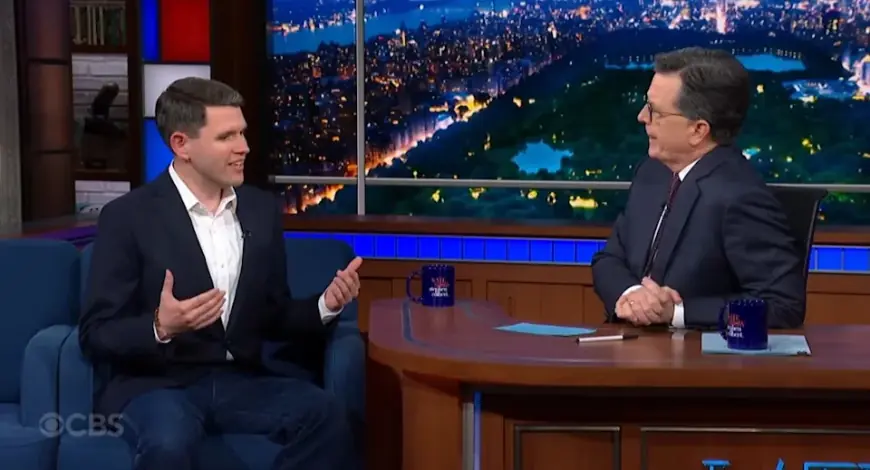
A late-night interview between Stephen Colbert and Texas Democratic candidate James Talarico has turned into a national media fight and a very local political weapon, after the segment was kept off broadcast television and released only online. What began as a booking decision quickly expanded into a broader argument about federal broadcast rules, corporate risk aversion, and whether a single talk-show appearance can tilt a high-stakes primary.
The immediate result is clear: Talarico gained a surge of visibility that many statewide candidates spend months trying to manufacture. The longer-term question is whether the dispute becomes a precedent that chills political guests on entertainment programs during election season.
What happened with the Colbert–Talarico interview
Colbert said he taped an interview with Talarico for his show, but was instructed by network lawyers not to air it and not to discuss the decision on television. Colbert went public anyway, framing the pullback as preemptive compliance with a new, stricter posture around the federal “equal time” rule.
The interview ultimately appeared on an online video platform rather than on broadcast television, a move widely read as an attempt to avoid triggering equal-time obligations that apply to licensed broadcasters. The equal time rule generally requires that if a broadcast station gives airtime to one legally qualified candidate for an office, it must provide comparable opportunities to other candidates for the same office if they request it, with important exceptions that are often debated.
In other words, once a candidate appears, the “who else gets time” question can become a legal and administrative headache, especially for a daily entertainment program that is not structured like traditional news coverage.
All times and dates referenced here are in Eastern Time.
Why the “equal time” rule suddenly matters for late-night TV
The fight is not really about one guest. It’s about uncertainty and liability.
The current enforcement climate has created fresh anxiety for broadcast outlets: if entertainment talk shows are treated as political exposure rather than protected editorial programming, then booking a candidate becomes a compliance decision, not a creative one. That pushes lawyers into the center of programming choices, which is exactly the dynamic Colbert criticized.
This is also why the online release mattered. Digital platforms are not governed the same way as licensed broadcast stations. Moving the interview online can reduce regulatory risk, even if it invites a different kind of controversy about censorship, corporate influence, and political pressure.
Behind the headline: incentives and pressure points
Context
Texas Democrats are facing a statewide math problem: they have not won a statewide race in decades, and the path to competitiveness depends on turnout, donor enthusiasm, and a nominee who can unify factions without alienating swing voters. In that environment, visibility is oxygen.
Incentives
Talarico’s incentive is obvious: convert the moment into donations and name recognition. A headline-making media dispute creates a storyline that can travel beyond Texas and energize national small-dollar donors.
Colbert’s incentive is also clear: defend editorial independence and portray the show as willing to challenge power. The more the dispute looks like lawyers or regulators steering comedy, the stronger his argument becomes.
For corporate executives and attorneys, the incentive runs the other direction: avoid a rule violation that could trigger complaints, administrative burdens, or regulatory scrutiny. Even if the chance of punishment is low, the cost of being a test case can be high.
Stakeholders
The biggest stakeholders are not just Colbert and Talarico. They include rival candidates, campaign donors, broadcast lawyers, federal regulators, and viewers who may interpret the same decision as either prudent compliance or political suppression.
Second-order effects
If this becomes the template, entertainment shows may reduce candidate bookings altogether, pushing political exposure into narrower channels and amplifying the value of a few “safe” appearances. That can favor candidates with existing fame or institutional support and make it harder for lesser-known contenders to break through.
Where Jasmine Crockett and other voices fit in
The controversy also collides with the Texas Democratic Senate primary itself. U.S. Representative Jasmine Crockett, a prominent figure in the race environment, has addressed the situation publicly in a way that underscores the political sting: if one candidate gets a marquee national spotlight while others do not, the primary battlefield shifts overnight.
Meanwhile, commentators such as Emily Compagno have used the episode to argue that claims of censorship can function as a fundraising accelerant. That critique lands because it contains an uncomfortable truth: even if a campaign did not engineer the moment, it can still capitalize on it, and outrage often converts better than policy.
What we still don’t know
Several key facts remain unclear to the public:
Whether rival candidates have formally sought equal time, or are positioning to use the controversy without triggering the obligation themselves
How federal regulators will treat entertainment talk shows going forward, and whether clearer guidance is coming
What internal standards networks will adopt for candidate appearances as the election season intensifies
Whether campaigns will increasingly route appearances to online-first formats to bypass broadcast constraints
What happens next: realistic scenarios and triggers
-
More online-only candidate interviews
Trigger: legal teams decide the safest path is to shift political guests off broadcast. -
A rival demands equal time
Trigger: polling or fundraising spikes make the exposure too significant to ignore. -
Networks tighten guest policies across entertainment
Trigger: fear of becoming a precedent-setting complaint target. -
The Texas primary turns the controversy into a litmus test
Trigger: candidates frame the moment as proof of favoritism, censorship, or media manipulation. -
Regulators clarify the rules for talk shows
Trigger: sustained public pressure and repeated disputes that create inconsistent outcomes.
The Colbert–Talarico episode is a reminder that modern campaigning is as much about distribution as it is about ideology. The fight over where an interview can legally air may end up shaping who gets heard at all.