



















Ami Nakai Emerges Early at Winter Olympics as Women’s Short Program Delivers Joy and Kaori Sakamoto Ends in Tears and Silver

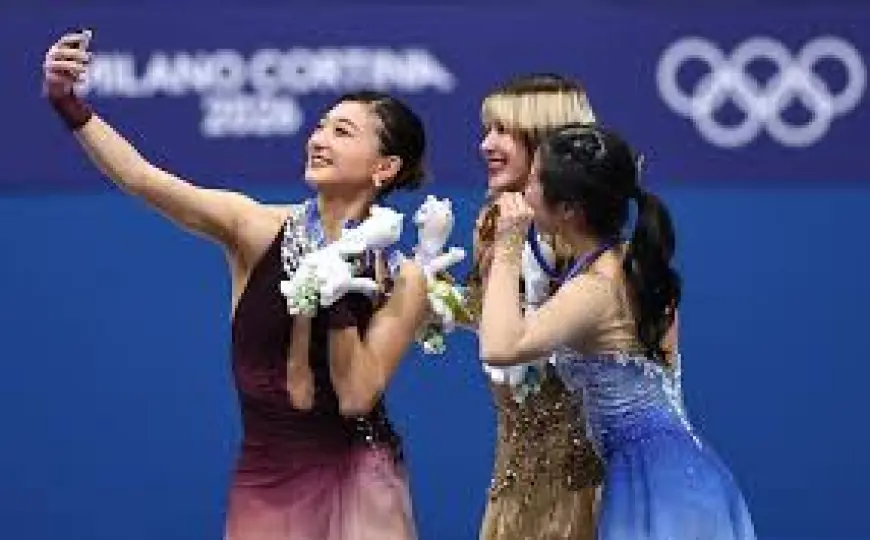
Japan's 17-year-old ami nakai made an early appearance at the Winter Olympics, drawing notice as the women's short program delivered broad optimism for the event. The short program left questions for the free skate, while one veteran's final Olympic performance ended in tears and a silver medal.
What happened and what’s new
Confirmed developments from recent coverage show three clear threads: a young Japanese skater arrived early on the Olympic scene, the women's short program was widely seen as a source of joy, and a long-awaited final skate concluded with a silver medal and visible emotion.
- Japan's 17-year-old Nakai Ami was identified as arriving early at the Winter Olympics.
- The women's short program produced upbeat moments that commentators described as joyful, while leaving uncertainty ahead of the free skate.
- A senior skater completed a final Olympic skate that ended in tears and a silver medal.
Behind the headline: Ami Nakai's early arrival
The emergence of Ami Nakai as an early participant highlights a youth presence on the Olympic ice. That arrival comes amid a short program that has been characterized as delivering joy to competitors and spectators alike, even as the outcome of the free skate remains unresolved. The juxtaposition of youthful arrival and an emotional veteran farewell frames the current moment in the women's event.
ami nakai's early appearance places a spotlight on generational dynamics in the field: newcomers are stepping into the Olympic environment just as established skaters are finishing their careers. The short program’s tone — optimistic and lively — has amplified attention on both rising talent and departing figures.
What we still don’t know
- Specific performance details for the free skate remain unclear, including final placements beyond the confirmed silver medal for the veteran skater.
- How ami nakai performed in competition elements beyond arrival is not detailed in the available coverage.
- Responses from coaches, teams, or officials about the younger skater's role or future plans are not confirmed.
- The longer-term competitive implications for the field after the free skate are still unresolved.
What happens next
- Free skate decides final standings: The upcoming free skate will determine podium positions and clarify who benefits from the momentum created in the short program.
- Emerging skaters gain attention: If the younger competitors perform strongly in the free skate, they may shift expectations for future events and national team planning.
- Veteran retirements and transitions: The emotional finish and a silver medal for a departing skater could accelerate conversations about succession and mentorship within national programs.
- Media and public focus narrows to outcomes: As the event progresses, narratives will likely concentrate on medal winners and breakout performances that the short program hinted at.
Why it matters
The immediate practical impact touches athletes, national programs and audiences. A youthful presence like ami nakai arriving early underscores how quickly competitive balance can shift between Olympic cycles, and how a single short program can reshape expectations. For team selectors and coaches, the interplay between a spirited short program and the unresolved free skate presents both opportunity and risk: younger skaters may gain momentum, while veterans' final results feed into legacy and succession planning.
Near-term implications include intensified scrutiny on free-skate preparations and strategic decisions about athlete development. Beyond the event, the combination of a celebrated short program, the early arrival of teenage talent, and an emotional veteran farewell will influence how stakeholders assess readiness, support and the narrative of generational change in the sport.