

























Sehri Dua and Ramadan 2026: Timing, Fasting Hours and How Observant Communities Should Prepare

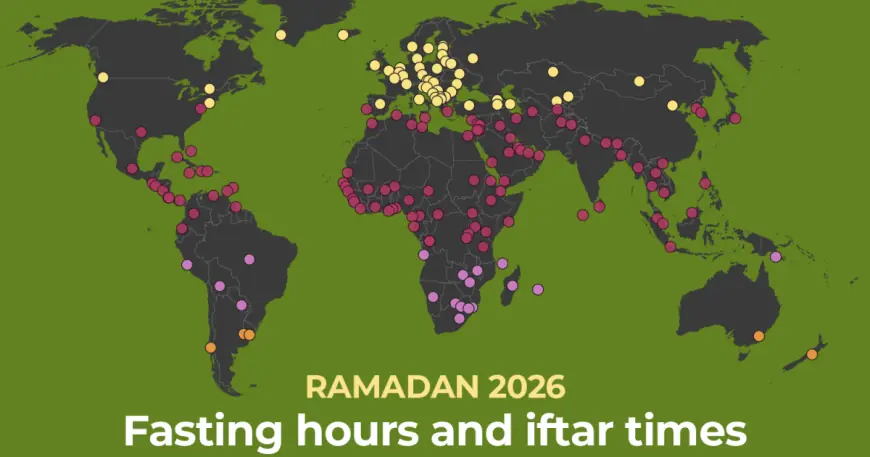
For communities planning daily rhythms during Ramadan 2026, the immediate practical question is synchronization: how to align pre-dawn routines with local suhoor and sunset times when daylight varies widely. The phrase sehri dua appears as part of that pre-dawn preparation, and timing matters because fasting hours this year fall between roughly 11. 5 and 15. 5 hours depending on location. That variance will shape meal timing, workday adjustments and worship schedules from the first day onward.
Sehri Dua timing and what it means for observers
Here’s the part that matters for people waking for the pre-dawn meal: suhoor (the pre-dawn meal) marks the final window before fasting begins at dawn, so any prayers or remembrances linked to that moment must be scheduled against local dawn times. The crescent sighting that confirmed Ramadan’s start sets the first official suhoor-to-iftar cycle for communities in many places; from there, daily dawn and sunset govern the length of the fast. The term sehri dua is used in everyday practice around suhoor and will be most relevant in the hours before dawn when fasting begins.
What's easy to miss is how different the day-length math is around the globe: some locations will face noticeably shorter fasts this year, while others will face longer daylight stretches. That affects not only meal timing but also when optional night prayers and community gatherings are realistically scheduled.
Crescent sighting and the schedule for Ramadan 2026
The crescent moon was sighted on a Tuesday evening, which led to authorities confirming that the first daytime fast will begin the following day, Wednesday. That sighting places the official start at sundown the previous night and sets a month that will run either 29 or 30 days, depending on future moon observations.
Practical timing points drawn from the announced schedule and global daylight patterns:
- Declared first day: fasting officially begins at sundown on the night following the crescent sighting, with the first daytime fast falling the next calendar day.
- Typical fasting lengths this Ramadan: generally between 12 and 15 hours in many locations, but the full observed range spans about 11. 5 to 15. 5 hours depending on latitude.
- Geographic pattern: for most people living in the Northern Hemisphere, fasting hours this year are shorter on the first day and will trend shorter through the coming years until a noted shift in the early 2030s; for many southern-hemisphere locations, the first-day fasts start longer than the previous year.
If you are coordinating sehri dua or other pre-dawn practices, use your local dawn time and the announced start to set alarms and community schedules; suhoor ends at dawn and iftar begins at sunset, so both times are essential anchors.
The real question now is how communities will adapt daily schedules—work, school and communal prayers—to the varying daylight lengths that will change slightly across the month as the lunar calendar progresses.
- First practical implication: adjust personal wake-up and meal times to local dawn rather than a fixed clock time, since fasting begins at dawn and ends at sunset.
- Groups most affected: workers and students whose institutional schedules overlap with long daylight hours will need local accommodations for suhoor and iftar timing.
- Timing signal to watch for confirmation of key dates: local moon-sighting announcements and the initial crescent sighting that set the first night remain the operational triggers for the start and end of the month.
- Looking ahead: the lunar calendar means Ramadan shifts earlier each year by about 10–12 days, producing notable differences in daylight exposure for communities over time.
Brief practical note: the month is either 29 or 30 days long depending on future moon observations; Eid al-Fitr is expected around a later date roughly a month after the start, but exact timing will again depend on sighting. Recent confirmations set this Ramadan’s opening night and the first daytime fast, giving communities the schedule they need to align sehri dua, suhoor and iftar plans.
Editor’s aside: The bigger signal here is that timing, not doctrine, is the immediate organizing constraint for households and mosques this year—local dawn and sunset times will determine the daily lived experience of Ramadan more than calendar labels.