






















Megan Keller's OT Goal at the 2026 Winter Olympics Ice Hockey Arena Lifts U.S. Past Canada for Olympic Gold

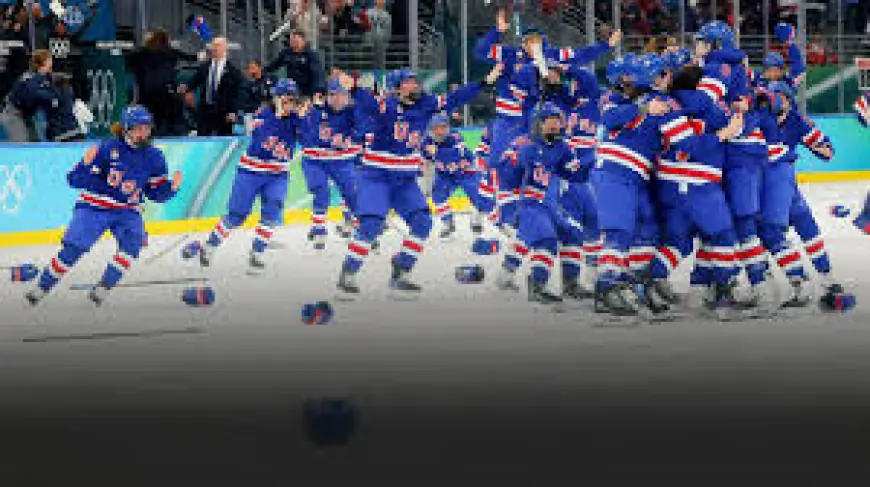
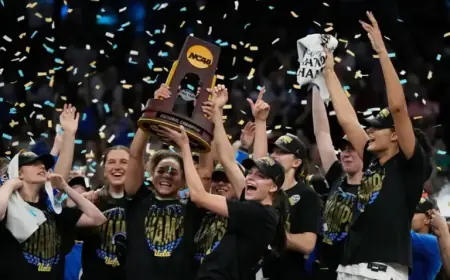
Megan Keller's overtime winner gave the United States a 2-1 victory over Canada in the women's gold-medal match held at Milano Santagiulia, a result played at the 2026 winter olympics ice hockey arena. The game featured a late tying goal from captain Hilary Knight and an overtime finish that decided the tournament's top prize.
What happened and what’s new at the 2026 Winter Olympics Ice Hockey Arena
The United States rallied from a late deficit to beat Canada 2-1 in overtime in the women's final played on Feb. 19, 2026, during the Milano Cortina 2026 Winter Olympic Games. The Canadians opened the scoring with a shorthanded goal, ending a U. S. stretch of shutout hockey that had lasted 3 hours, 52 minutes and 7 seconds. The Americans began the second period on a power play created by a penalty at the end of the first period.
Late in the third period, Canada earned a power play but the U. S. successfully killed it with a little more than four minutes remaining. With about 2 minutes 30 seconds left in regulation, the U. S. pulled its goalie; captain Hilary Knight deflected a wrister from the top of the zone to tie the game and force overtime. Shots after regulation stood at 29-28 in favor of Canada. Four minutes and seven seconds into overtime, Megan Keller maneuvered past defenders and slipped the puck past the Canadian goaltender to secure the go-ahead and gold-medal goal.
Behind the headline
Context: This was the gold-medal match of the women's hockey tournament at the Milano Cortina 2026 Winter Olympic Games, contested at Milano Santagiulia. The result returned the women's hockey gold medal to the United States after a tightly contested game against their longtime rivals.
Incentives and constraints: Both teams entered the game vying for the Olympic gold medal. Game dynamics were shaped by special teams play — an early shorthanded goal by Canada, a U. S. power-play start to the second period, and a late Canadian power play that the U. S. killed off. Tactical decisions such as pulling the goaltender in the final minutes directly created the tying opportunity.
Stakeholders: Team United States and Team Canada were the principal competitors, with key contributions highlighted from Megan Keller and captain Hilary Knight. Tournament organizers and fans at the Milano Santagiulia venue were immediate stakeholders in the event outcome.
What we still don’t know
- The full statistical and individual award follow-up for players beyond the scoring events described.
- Specific identity details and postgame remarks from the Canadian goaltender and other players mentioned.
- Precise timeline and nature of any disciplinary review, if any, tied to penalties in the game.
- Further context about the reference to a "record-setting" captain, including which records were involved and their specifics.
What happens next
- Medal ceremony and formal awarding of gold to the U. S. team, triggered by the conclusion of the final match and Olympic protocol.
- Postgame comments and interviews from players and coaches that will clarify individual perspectives and possible record details, triggered by scheduled media availability.
- Statistical and tournament wrap-up that will place this game in broader tournament context, triggered by official tournament summaries.
- Profile pieces or features on key players — notably the game-winner Megan Keller and captain Hilary Knight — that may follow to document their roles in the victory.
Why it matters
Near-term, the result decides the Olympic gold-medal destination for women's hockey at this edition of the Games and highlights decisive moments that determined the outcome: a shorthanded opening goal, a late equalizer after a pulled goalie, and an early-overtime winner. For players, coaches and fans, the match provides a definitive championship moment. For the tournament, a narrow 2-1 final underscores how special teams and late-game tactics remain pivotal in high-stakes international play.