



















Spacex Rocket Launch from Cape Canaveral Delivers 29 Starlink Satellites, Booster Lands Near Bahamas

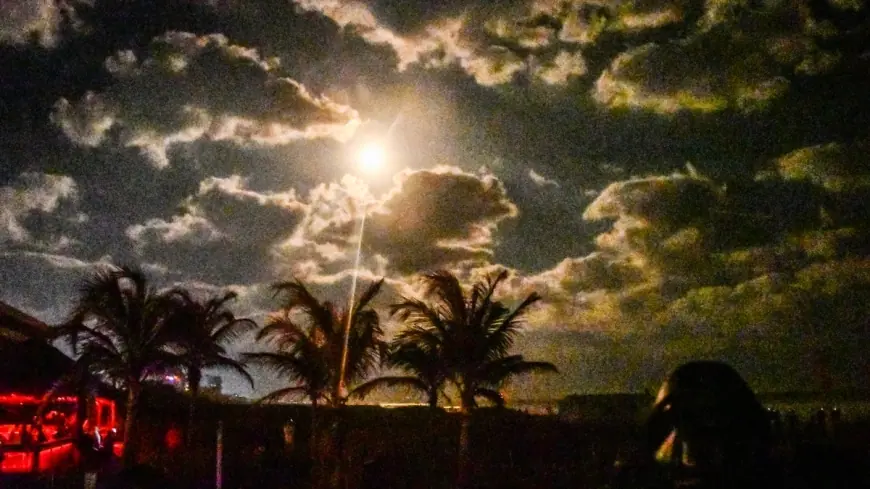
The Spacex Rocket Launch lifted off at 8: 41 p. m. ET Thursday from Launch Complex 40 at Cape Canaveral Space Force Station, sending 29 Starlink internet satellites into orbit and culminating in a rare booster recovery off the coast of The Bahamas.
Spacex Rocket Launch follows southeast path toward the Bahamas
The Falcon 9 launched on a southeast trajectory along Florida's coast, clearing the pad at 8: 41 p. m. ET and heading toward a planned booster recovery in the Atlantic Ocean near The Bahamas. The mission carried the company’s Starlink 10-36 payload of 29 satellites into low Earth orbit. The first-stage booster returned to a droneship and touched down at 8: 49 p. m. ET, completing its 26th mission aboard the vessel Just Read the Instructions.
Delay, weather and local effects
The launch had been moved from an earlier date and was set for no earlier than 8: 41 p. m. ET on Thursday, with the launch window extending until 9: 00 p. m. ET. The 45th Weather Squadron forecasted a greater than 95% chance of favorable conditions for the attempt. Because the flight swept southeast toward the Caribbean, officials warned residents in The Bahamas they might hear a sonic boom if conditions were right, while Brevard County was not expected to experience sonic booms from this mission.
Concurrent activity and viewing notes
Teams were also conducting a wet dress rehearsal on the Artemis II SLS rocket, fueling that vehicle up to T-33 seconds; the SLS did not launch Thursday. The wet dress rehearsal is ongoing work that could influence planning for a future Artemis II launch date. The visitor complex at the Kennedy-area visitor site said viewing would not be available for this launch because the window fell outside operating hours.
The mission’s immediate result was the successful deployment of 29 Starlink satellites and a recovered first-stage booster that marked only the second time a booster has been landed that far south. With the booster recovery achieved and the Starlink payload in orbit, attention shifts to the outcomes of the Artemis II wet dress rehearsal and scheduling for future launches.
Next confirmed milestones are the postflight processing of the Starlink payload and recovery operations for the booster, and completion of the Artemis II wet dress rehearsal; officials will release further timing as those activities conclude.