





















Peaky Blinders Movie: First Trailer, Calke Abbey’s Role and why the story returns to 1940 Birmingham

The new peaky blinders movie matters now because the first full trailer reframes the series’ central hero as a wartime returnee wrestling with legacy, while production choices signal a darker, grander scale for the story. With March release dates set for cinemas and a later streaming launch, the film's early images, casting changes and location work give a clear sense of creative intent and the narrative stakes that follow the TV chapters.
Why the Peaky Blinders Movie chooses 1940 and what that rewiring does to the characters
The creative decision to place Tommy Shelby back in Birmingham in 1940 reframes familiar power struggles against the specific pressures of wartime Britain. That choice does more than change uniforms: it forces the lead character into a reckoning framed as both personal and national — he returns from self-imposed exile to confront the consequences of earlier actions while the country faces destruction. In practice, this elevates family conflict into questions about leadership, legacy and social order under duress.
Here’s the part that matters: the trailer sets Tommy up not as a victor but as a man who abandoned an earlier life and now must choose whether to protect his family or burn his legacy down. The presence of a grown firstborn son running the gang again shifts the power dynamic from a single mastermind to a fracturing household and organization.
What's easy to miss is how casting choices underline that shift — the son is now a menacing, central figure with an arc of his own rather than a shadowed background detail.
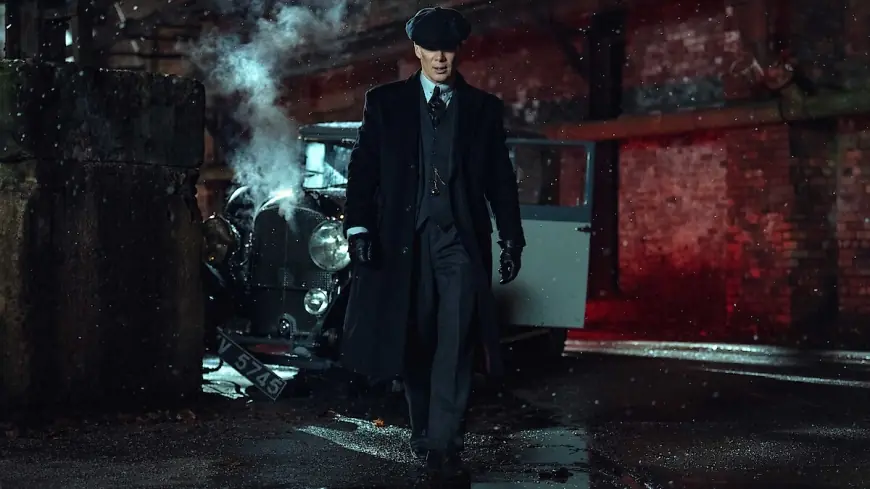
- Trailer signals: Tommy appears older and greying, returning to a changed Small Heath; scenes show thick mist and a slow, staggering stride that suggest a haunted, weathered comeback.
- Core cast notes: the lead actor returns as Tommy; a younger actor plays his illegitimate firstborn, now the gang leader called Duke Shelby; key returning ensemble members include a sister figure and a long-serving ally. New additions widen the cast’s dramatic range.
- Setting and stakes: the story explicitly ties family decisions to the fate of the country, setting the film’s moral conflict against wartime decline.
- Release snapshot: the film is scheduled for theatrical release in early March, followed by a streaming launch later that month.
What the trailer showed and how Calke Abbey was used on screen
The trailer compresses the film’s tone into about two minutes: older Tommy returning, a son running the gang like it’s 1919, family accusations about abandonment, and a push to face demons for the sake of family and country. Rather than a linear play-by-play, the footage trades on atmosphere — mist, damaged interiors and a sense that previously held power has eroded.
Production found a key location in a Derbyshire stately home whose layered interiors and peeling surfaces required almost no alteration to evoke a country-house in rapid decline. Ground-floor passageways, a kitchen, a schoolroom and a night nursery were used for key scenes; stable yards and a riding school were converted on set to display period cars. The estate team packed, moved and reinstated more than 1, 300 historic objects in a process that took hundreds of hours, underscoring the production’s practical commitment to period authenticity.
In narrative terms, those physical choices matter: decayed grandeur frames a story about legacy dissolving under external pressure. The film’s wartime setting and the house’s visual state work together to make personal history feel inevitable and fragile at once.
The production timeline includes the 1940 setting within the film’s story, extensive location work at the stately home, and a two-stage release plan in March. The real test will be whether audiences accept the tonal leap from intimate TV drama to a widescreen wartime saga — the trailer's mood and the locations give the creative team the assets to try.
The following short Q&A clarifies immediate viewer questions:
- Q: Does the trailer show plot resolution? A: No — it sets tone, stakes and character positions rather than resolving the central reckoning.
- Q: Who is central to the conflict? A: The returning family head and his illegitimate son, who now runs the gang, are placed at the story’s core.
- Q: Will the film look different from the series? A: Expect a broader, more period-driven palette and larger physical sets that emphasize wartime decay.
The bigger signal here is that creative choices — casting the son as a present threat, staging scenes in a decayed country house and leaning into wartime atmosphere — point to a film aiming to rethink power and inheritance rather than merely extending old plots.
If you’re wondering why this keeps coming up: the trailer, the cast shifts and the location work together to announce a tonal reset. That reset will be confirmed or contradicted by audience response when the film hits cinemas and then streaming in March; details may evolve as more footage and interviews appear.