

























Megan Keller’s overtime goal lifts U.S. women to Olympic hockey gold

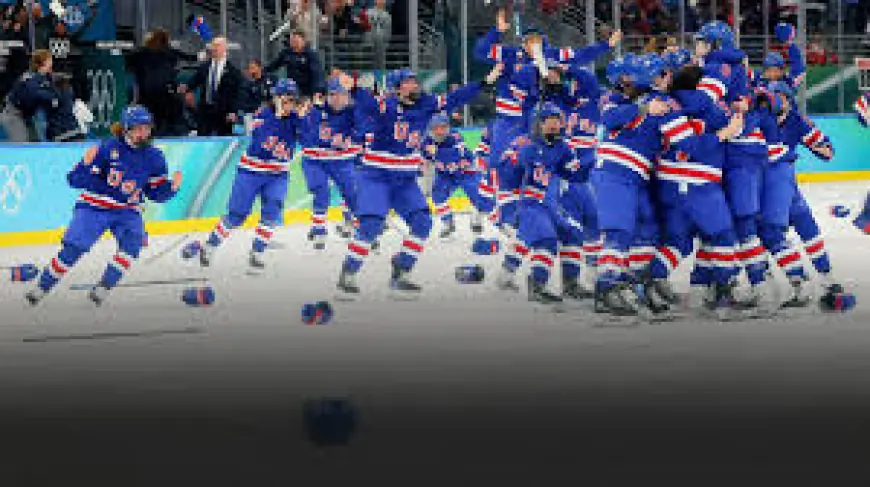
Megan Keller scored the sudden-death winner to deliver the U.S. women’s hockey team a 2–1 overtime victory over Canada in the Olympic gold-medal game on Thursday, Feb. 19, 2026 (ET). The finish capped a tight, physical final and immediately reshaped the tournament’s defining image: a defender jumping into the play at the biggest moment.
How the gold-medal game turned
The matchup followed a familiar script for U.S.–Canada finals: structured defensive play, limited space through the middle, and special teams looming over every possession. After three periods ended level, overtime became a race to create one clean look before the next mistake.
Keller’s goal ended it early in the extra frame, coming just over four minutes into overtime. The sequence developed quickly—an entry, a brief breakdown in coverage, and a finish that beat the goaltender before the defense could reset. In a one-shot game, it was the kind of instant that separates a “nearly” from a championship.
Megan Keller delivers overtime winner
Keller’s winning goal stood out not only for timing but for context. She is best known for her steady, minutes-heavy role and for closing down rushes rather than leading them. In this final, she picked the right moment to activate, turning a defender’s read into the tournament’s decisive play.
The U.S. leaned heavily on its back end throughout the night, with defenders expected to defend first, move the puck cleanly, and join the attack selectively. Keller’s winner fit that blueprint: a calculated jump that still carried high risk in overtime, when one missed read can end a season.
What the result means for the rivalry
The gold medal is a momentum swing in the sport’s most consistent rivalry. Recent U.S.–Canada title games have often been decided by single moments—one bounce, one power play, one late chance—and this one followed that pattern.
For the U.S., the win reinforces a roster identity built around disciplined defensive structure and timely offense rather than free-flowing scoring. For Canada, it’s a reminder that even a well-managed final can be undone by a single breakdown, especially against a team comfortable winning tight games.
Key takeaways from the final
-
The game stayed low-scoring because both teams protected the slot and forced shots from the outside.
-
Overtime rewarded decisiveness: the winning play developed and finished before coverage could recover.
-
A defender delivered the title, highlighting how modern women’s hockey titles often hinge on blue-line contribution, not just forward depth.
What comes next for Keller and the pro season
Keller’s profile was already rising in the professional game, where she has taken on a prominent leadership role and regularly logs top-pair minutes. This Olympic moment adds a defining credential that tends to carry into contract value, marketing opportunities, and long-term captaincy expectations.
The near-term focus now shifts back to the pro calendar, where teams quickly move from international spotlight to the grind of league play. For Keller, the challenge will be maintaining form and health after a high-intensity Olympic run—especially for a defense-first player whose value is measured as much in recovered pucks and shutdown shifts as in goals.
Forward look: why this goal could echo beyond the Olympics
A golden-goal highlight can change how a player is defended and deployed. Opponents may be more cautious when Keller is on the ice, respecting her willingness to join a late play. Coaches, meanwhile, may lean into that dual threat—keeping her primary job as a stopper while giving her more set looks in high-leverage situations.
If the pro season tightens into another close playoff race, expect this Olympic finish to travel with her: not as pressure, but as proof that in the narrowest margins, she can be the difference.