
















Wolves Vs Arsenal: Title control frays after dramatic draw — why the run-in just got riskier

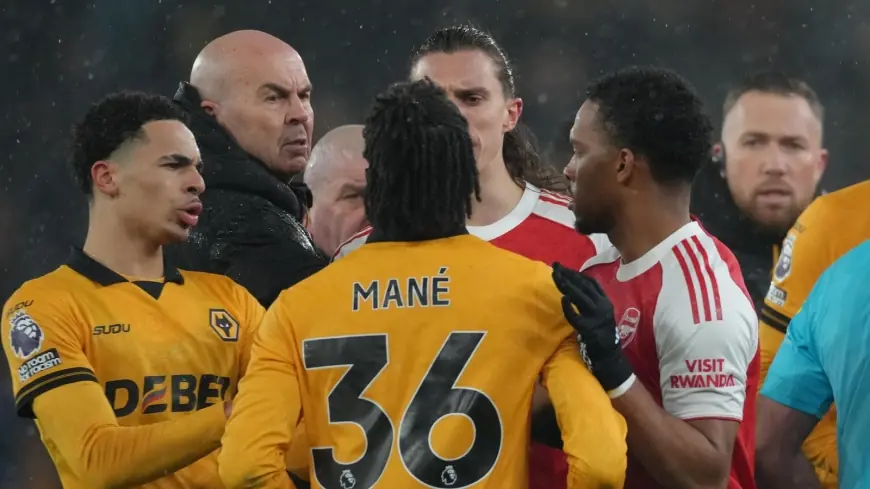
Why this matters now: wolves vs arsenal turned from routine to pivotal when a two-goal advantage evaporated deep into stoppage time, widening the uncertainty around the title fight. Here's the part that matters: back-to-back dropped points have moved the question from "if" to "how fragile" Arsenal's grip on the top truly is, and the remaining fixtures for both clubs now carry greater weight.
Wolves Vs Arsenal and the widening gamble on mental resilience
The draw at a side headed for relegation has immediate consequences for the title equation. Arsenal surrendered a lead established early and extended well into the second half, then conceded a sensational late leveller — a sequence that has opened the door for their nearest challengers and intensified scrutiny on the squad's temperament at crunch time. A former striker suggested the team will face criticism about mental strength; the manager acknowledged the performance fell short and accepted responsibility for the result.
- Arsenal have now dropped four crucial points across successive draws, increasing the margin for error in the closing phase of the season.
- Manchester City sit five points behind and still control a path to overtake Arsenal if they win all their remaining fixtures, including a head-to-head meeting scheduled at their stadium.
- Arsenal retain the same conditional path: winning their remaining matches and the Etihad meeting keeps their title hopes alive, but the margin has narrowed.
- For neutral observers and rivals, the game shifted from a routine fixture to a barometer of nerve and depth under pressure.
The bigger signal here is that results against lower-ranked opponents are now being treated as decisive, not incidental; that changes how teams must manage rotation, in-game control and late-game concentration for the run-in.
Match snapshot and the moments that flipped the narrative
Rather than a blow-by-blow, here are the uncontested match facts that shaped the outcome and why they matter for what's next.
- Early lead: The visitors opened the scoring very early through a forward who put them ahead within the first few minutes.
- Second goal: A later second-half strike by a new signing doubled the advantage and seemed to settle the match.
- Wolves response: The hosts pulled one back with a long-range effort that reignited hope.
- Stoppage-time twist: A 19-year-old substitute on his senior debut capitalised on a defensive mix-up to scramble the equaliser in the fourth minute of added time, the ball deflecting in off an opposing player.
If you're wondering why this keeps coming up in conversation, it's because draws like this don't just drop points — they alter momentum and narrative. The manager admitted the team did not reach the required standard in the second half and accepted the criticism that will follow.
Key takeaways:
- League arithmetic has tightened: a challenger five points back still has a clear path, and the head-to-head meeting between the two contenders now carries amplified significance.
- Two consecutive high-profile draws have shifted public and internal pressure onto the champions-in-waiting, increasing the psychological stakes of upcoming derbies and tough fixtures.
- Late-game concentration and handling of chaotic moments will likely dictate selection and tactical choices for the remainder of the season.
- For the promoted and struggling sides, a spirited comeback like this can be season-defining in morale, even if it comes against a top opponent.
Micro timeline (minutes referenced in match action):
- Early minutes: opener set the tone for an expected controlled performance.
- 56th minute: second goal appeared to settle the visitors.
- Late: a long-range strike reduced the deficit; the fourth minute of stoppage time produced the dramatic equaliser.
The real question now is how the squad responds: whether this accelerates tactical tightening and mental preparation or creates a lingering doubt that opponents can exploit. Recent results have made the run-in less straightforward, and confirmation of a turning point will come from how the team performs in the next high-pressure fixtures.
It's easy to overlook, but the timing of the concession — in the dying moments — often signals deeper issues with game closure rather than isolated mistakes.