




















Ami Nakai’s Early Arrival Shakes Up Olympic Women’s Field as Sakamoto Takes Silver

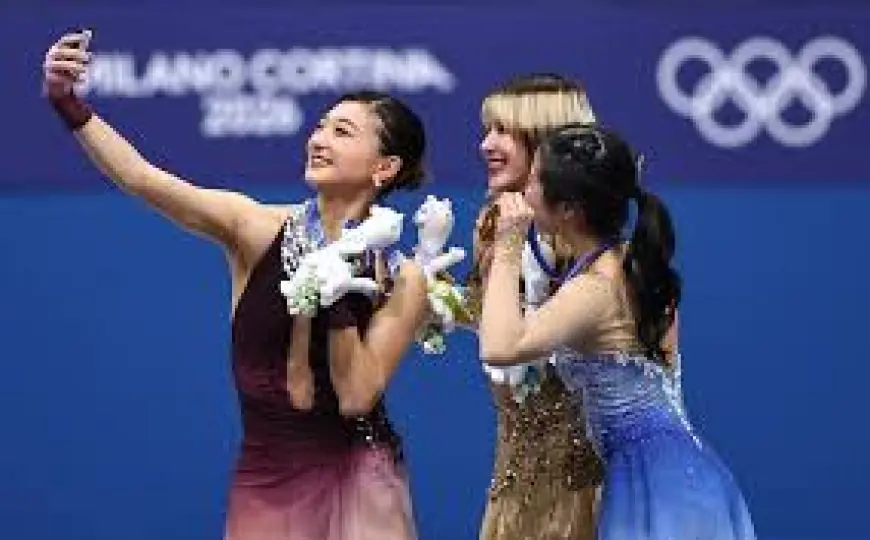
ami nakai, a 17-year-old competitor from Japan, made an early arrival at the Winter Olympics, inserting a new dynamic into a women’s event that was punctuated by Kaori Sakamoto’s final skate ending in tears and a silver medal. The short program delivered moments of joy across the field, but observers note that the free skate still holds unanswered questions.
What happened and what’s new
Recent headlines convey three clear developments: a veteran’s final Olympic performance concluded with emotion and a silver medal; a 17-year-old Japanese skater arrived early and is now part of the Olympic mix; and the women’s short program provided uplifting moments while leaving the outcome of the free skate unresolved. These elements together mark a competition at once celebratory and open-ended, with fresh talent appearing alongside experienced contenders.
Ami Nakai’s early arrival and the bigger picture
The emergence of a teenage entrant so early in the Olympic schedule changes competitive calculations. ami nakai’s presence was framed as an early arrival, signalling that younger athletes are pressing into podium contention. At the same time, the veteran who completed her final Olympic skate left the ice with a silver medal and visible emotion, underscoring a generational intersection: established performers concluding chapters as newcomers advance.
The short program’s broadly positive reception further complicates the narrative. While it produced joy for spectators and athletes alike, commentators and analysts describe the free skate as a stage of uncertainty — a segment where standings could shift and where the final medal distribution remains unsettled.
What we still don’t know
- The precise competitive placement and score progression beyond the silver outcome and the short program’s reception.
- How ami nakai will perform in the free skate and whether the early arrival presages a medal challenge.
- Specific details of the veteran’s final program elements and whether injury, fatigue or emotion affected the result.
- How the short program’s results will translate into the free skate order and final standings.
- Any strategic adjustments teams or individual skaters will make before the free skate.
What happens next
- Free skate outcome shifts podium: If the free skate favors technical consistency, standings could solidify; if it favours risk-taking, placements may change significantly.
- Breakthrough performance by a newcomer: ami nakai could build on early momentum and contend for a top finish, depending on execution under free-skate pressure.
- Emotional veteran exit reframes narrative: The veteran’s farewell could become a focal story regardless of final medal distribution, influencing public and media attention.
- Competitive consolidation: Established athletes might respond to the short program by tightening strategy and execution in the free skate, reducing volatility.
- Unexpected error cascade: Mistakes in the free skate could open opportunities for lower-ranked skaters to move up, extending the element of mystery noted after the short program.
Why it matters
The juxtaposition of a 17-year-old early entrant and a veteran’s emotional final skate captures a transitional moment in women’s figure skating at the Olympics. Near-term, the free skate will determine medal distribution and influence narratives about generational change. For athletes, an early arrival and a strong short program can provide psychological momentum; for audiences, the combination of joy and uncertainty enhances engagement. Longer-term, performances here could shape how national programs assess the readiness of teenage competitors and how veteran legacies are remembered.
Observers should watch the free skate closely for definitive answers about standings and for the extent to which promising newcomers convert early appearances into lasting Olympic impact.