




















uk passport rules dual citizenship: Lib Dems urge grace period as travellers scramble

A call for a temporary "grace period" has been made as new entry requirements for British dual nationals take effect from 25 February (ET), prompting urgent warnings that some people living, working or holidaying abroad may be unable to return to the UK without an up-to-date British passport or a costly certificate of entitlement.
What is changing and who will be affected
From 25 February (ET) the UK is changing how it verifies the nationality of people entering the country as part of a wider push to modernise the immigration system. Dual nationals who hold a second passport from a country that does not require a UK visa will no longer be able to use that foreign passport alone to travel to the UK. Instead, travellers must present either a valid British passport or a certificate of entitlement stamped into their other passport.
Neither document is automatically issued on naturalisation; many dual nationals who have lived in the UK for years have never applied for a British passport or a certificate. Processing times and fees present fresh obstacles: a standard adult British passport costs about £100 and the certificate of entitlement is priced at roughly £589. The changes sit alongside the roll-out of an Electronic Travel Authorisation system for non-visa nationals, which carries its own fee.
Critics say the move will particularly affect those who were unaware of the rules, including people on holiday, visiting relatives abroad or living abroad temporarily. Irish passport holders are exempt, but other dual nationals from EU and non-EU countries will be caught by the new checks.
Calls for a grace period and human impact
The shadow immigration minister for the Liberal Democrats called the rollout poorly planned and badly communicated, arguing that many dual nationals have been left "completely in the lurch". He said people are facing sudden, potentially crippling costs and long waits just to return home, and urged the government to allow a temporary concession while systems and communications are fixed.
Real-world accounts highlight the stakes. A young married couple on honeymoon in New Zealand learned their return could be blocked; the husband, a dual national, does not hold a British passport and the pair say they may have to cut their trip short. Another traveller moved his flight forward to 23 February (ET) to make sure he could visit a dying brother in the UK. Several people say they have cancelled plans to attend funerals or visit seriously ill relatives because they were not aware of the upcoming change.
One businessman told campaigners he had entered and left the UK dozens of times on his second passport while paying tax over many years. For him and others, the shift feels like an abrupt redefinition of how British nationality is expected to be presented at the border.
Border operations and next steps
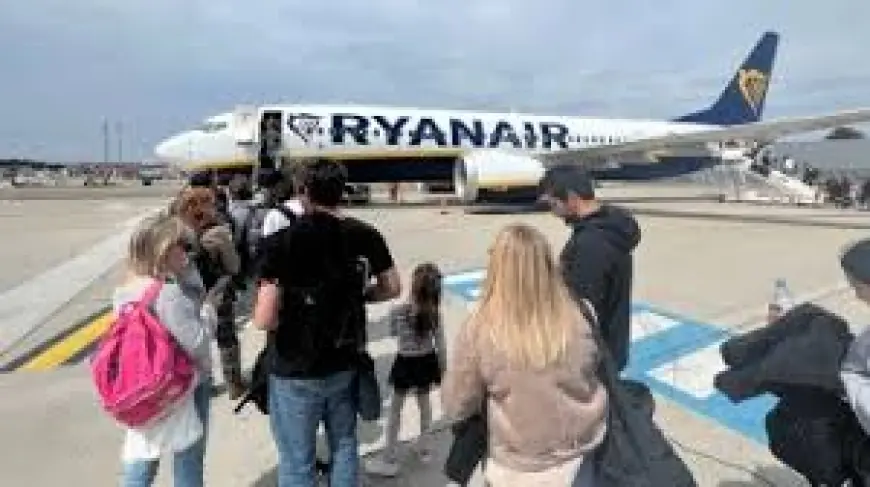
Immigration lawyers expect front-line pragmatism in the immediate period after the change, noting that border agents face pressure to keep traffic moving. Concerns remain for carriers: airlines and ferry operators are required to check documentation before departure and can face penalties if they transport passengers who do not meet entry requirements. That liability has helped drive the rush to enforce the new rules at the point of departure.
Calls for a low-cost alternative to the certificate of entitlement and clearer, faster communication have been made by advocates and opposition politicians. The path forward will depend on whether the government uses discretion at borders for people who are mid-travel when the rules take effect, and whether it introduces any temporary measures to prevent family separations and humanitarian hardship while new digital systems settle in.
For now, those planning travel to or from the UK are being urged to check their documentation well before 25 February (ET) and, where possible, secure a British passport or the certificate of entitlement in advance to avoid disruption.