

![Florida Panthers Face Off Against [Team Name] on April 4, 2026](https://www.filmogaz.com/uploads/images/202604/image_430x256_69d2395a47e1f.webp)













Why readers are debating Emerald Fennell’s take on the wuthering heights book

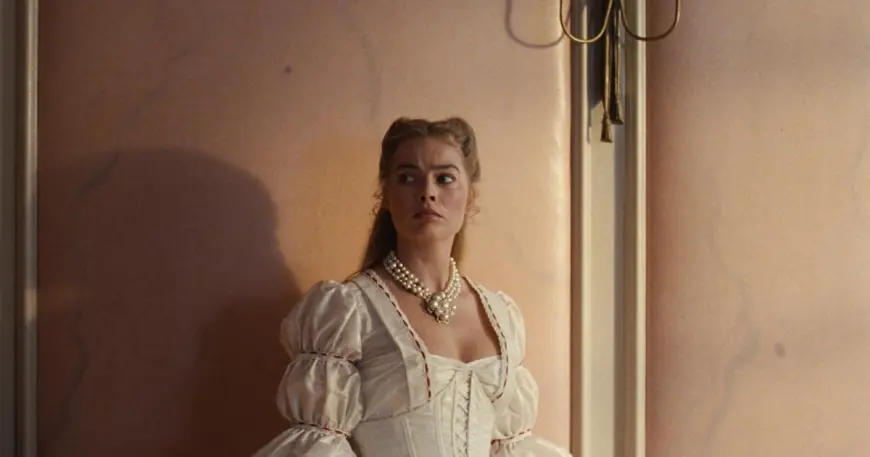
Emerald Fennell’s new screen version of Emily Brontë’s novel has prompted lively, divided reaction from readers and literary fans. Recent commentary ranges from praise for bold visuals and crowd-drawing screenings to frustration over narrative changes, casting and the film’s creative choices that recast key characters and themes.
Readers applaud spectacle but question emotional depth
Many viewers praised the film’s look: lavish costumes, saturated colour palettes and dramatic moorland cinematography were repeatedly singled out as striking and memorable. Several groups who saw early screenings said the visual contrast between ornate dress and bleak landscape amplified the story’s tensions and kept cinema rooms full on opening night (evening ET).
Still, a common refrain among readers who love the original text is that the adaptation often sacrifices the novel’s psychological complexity for visceral shocks. Some viewers enjoyed the provocative staging and the film’s sexual frankness, but felt the adaptation reduced Emily Brontë’s layered longing and obsession into something flatter and more adolescent. The trusted narrative voice in the book, an unreliable intradiegetic presence that complicates sympathy and motive, is largely absent on screen, leaving certain emotional beats feeling simplified.
Casting choices and the question of Heathcliff’s identity
Debate over casting has become one of the loudest threads surrounding the film. The casting choices have revived long-standing discussions about Heathcliff’s depiction in the novel, where descriptions of him as dark-skinned and othered suggest multiple possible readings of his origins and the story’s engagement with race, class and otherness.
Some readers feel the film’s casting sidelines those textual implications, while others point out that interpretations of Heathcliff’s background have varied for generations. Critics and viewers note that the novel contains hints that complicate a straightforward reading of his identity, from suggestive descriptions to narrative asides that raise questions about origins and prejudice. For many, the omission or softening of these elements in the film changes the dynamic of social resentment and alienation that pulse through the page.
Baroque style, music and the decision to reshape the narrative
Fennell’s version interposes bold stylistic choices—baroque set pieces, modern pop-inflected score and theatrical motifs—that some viewers found exhilarating and others distracting. The movie foregrounds erotic tension and visual metaphor; dolls, braided hair and carefully staged tableaux recur as motifs intended to evoke mourning, possession and the characters’ interior lives. For supporters, these touches create a unique, contemporary prism on the story. For detractors, they shine a 21st-century light so bright it obscures the novel’s bleakness and moral ambiguity.
Beyond aesthetics, the filmmaker streamlines the novel’s famously complex structure: large portions of the later generations’ storyline are excised and several characters are merged or reimagined. Some editorial consolidations—combining certain characters to simplify motives—were welcomed by viewers who found the novel intimidating. Others missed the fuller social and generational fallout that gives the book its far-reaching power.
Whatever perspective viewers take, the film has reignited interest in the original work. Bookshops and reading groups have reported renewed curiosity and higher turnout for Brontë’s novel, suggesting the adaptation has done what successful literary cinema often does: prompt fresh conversation about an old story and invite new readers to measure text against screen.